


About Sol y Luna Hotel and the Foundation


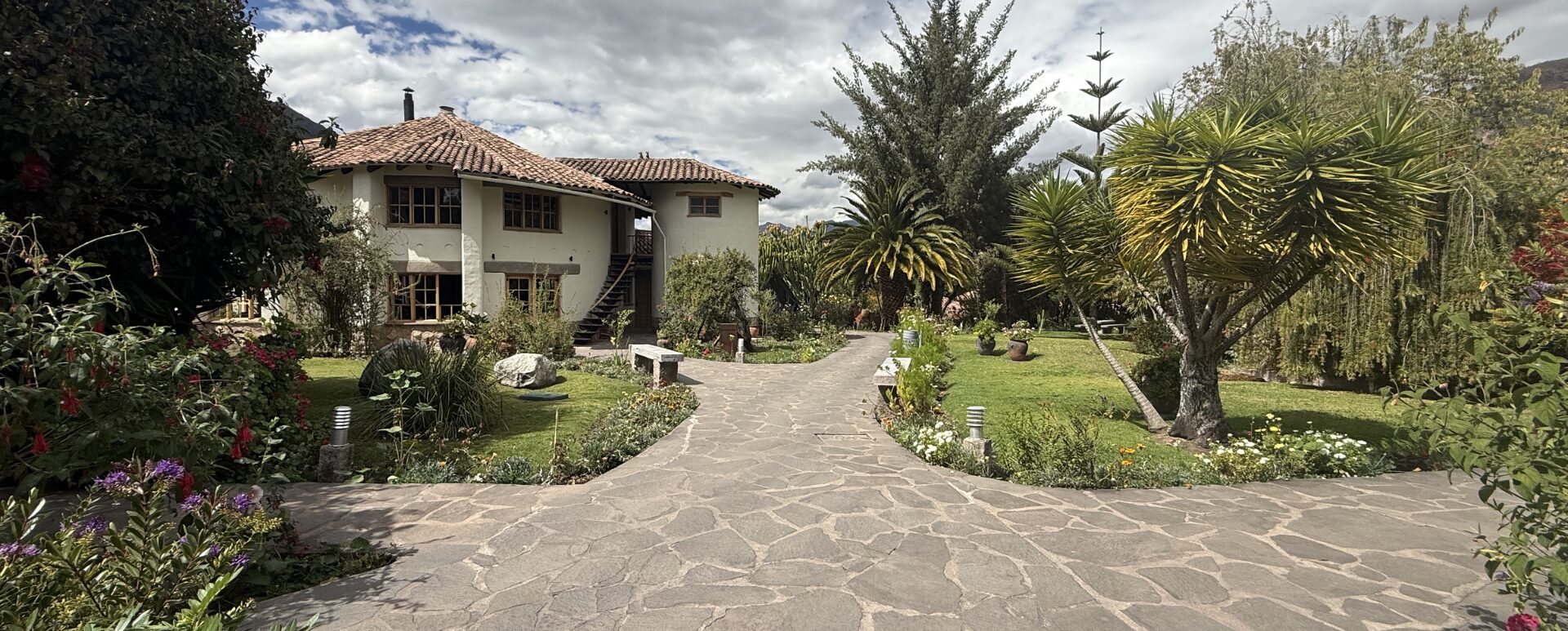
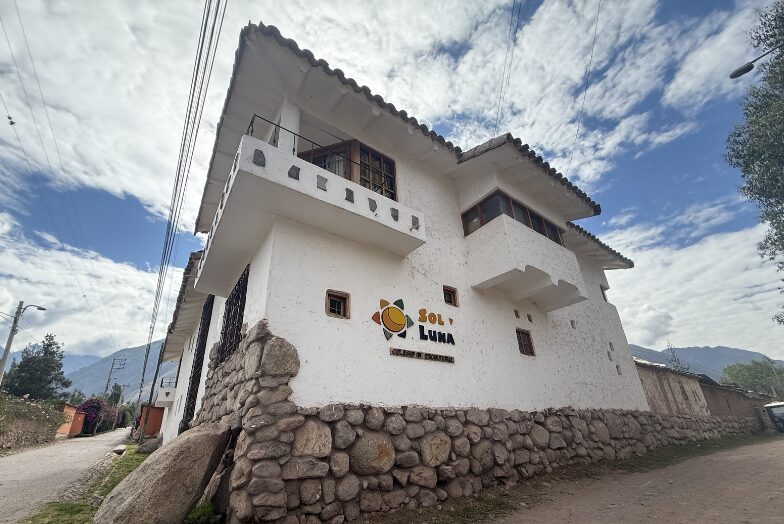
In the Sacred Valley, near Cusco, sits one of our favourite hotels, surrounded by the Andes, giant cactus trees and the sound of a stream running through the garden. It is Hotel Sol y Luna with breathtaking views and a great purpose.

It all started with Petit Miribel and her husband, Franz, dreaming of improving the lives of some of the poorest children in Peru’s Sacred Valley. In 1999, they set about their goal and launched an education project: The Sol y Luna Foundation.  Today the hotel stands as the main source of funding for this incredible project.

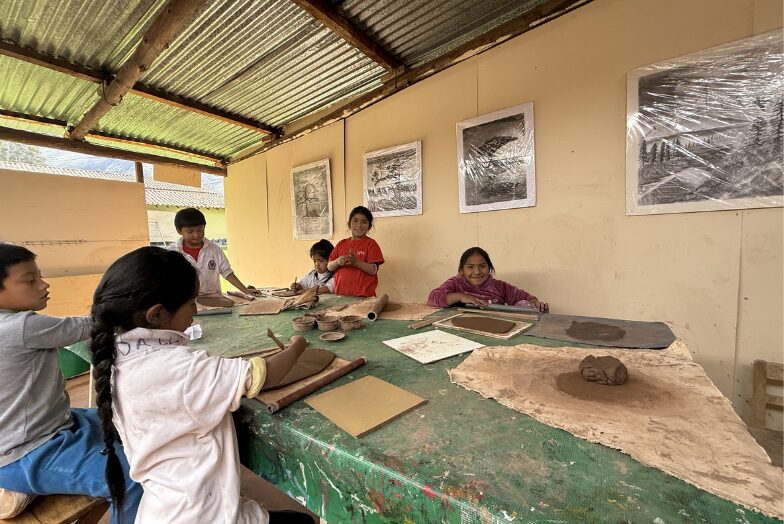
In 2026, the Sol y Luna Foundation provides education and care to around 170 children from one of Peru’s most disadvantaged communities and changes lives on a daily basis. From basic education to hot showers and from meals to health, the positive impact on these children is very real.

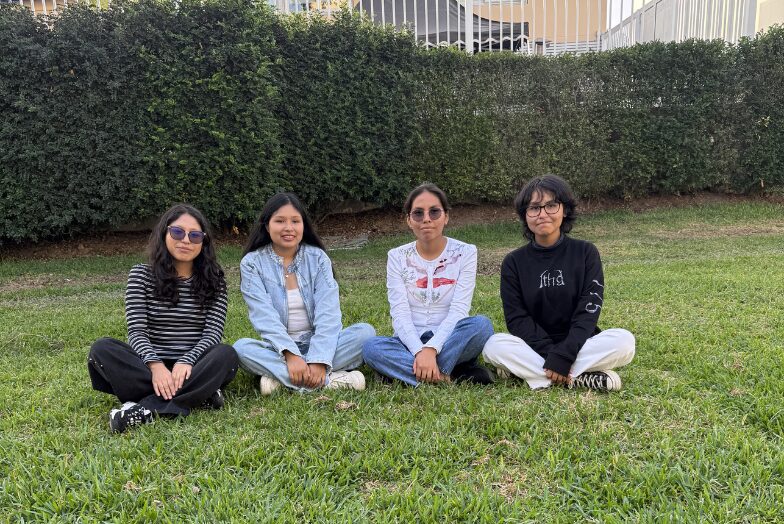
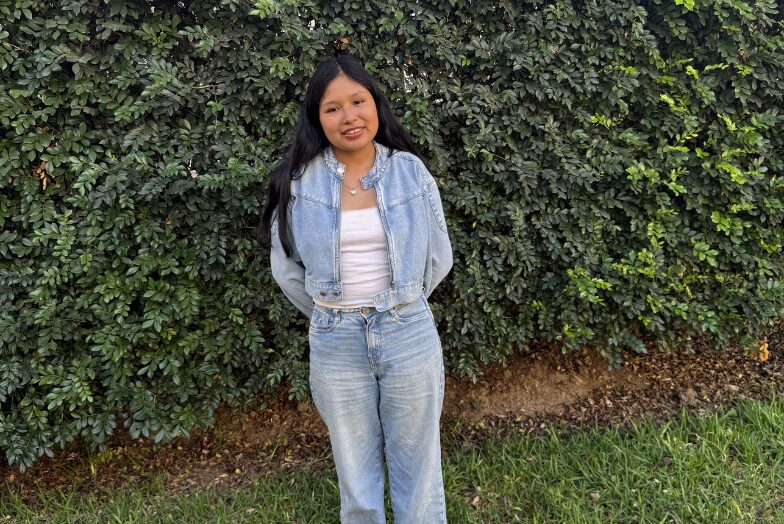
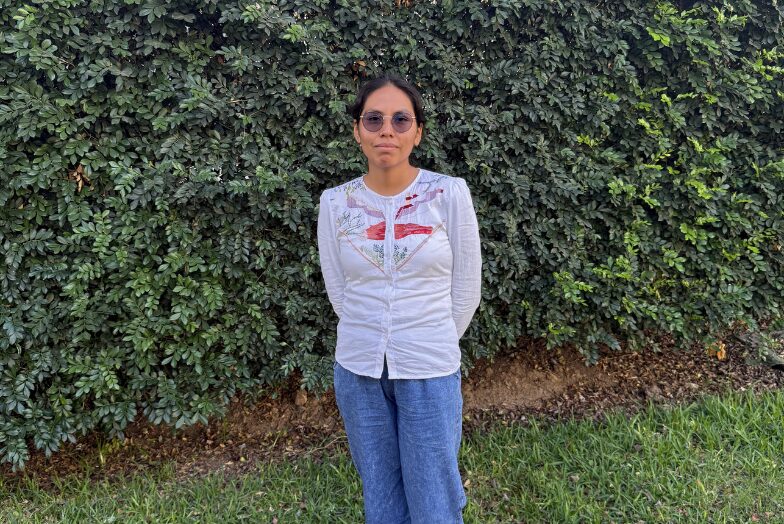
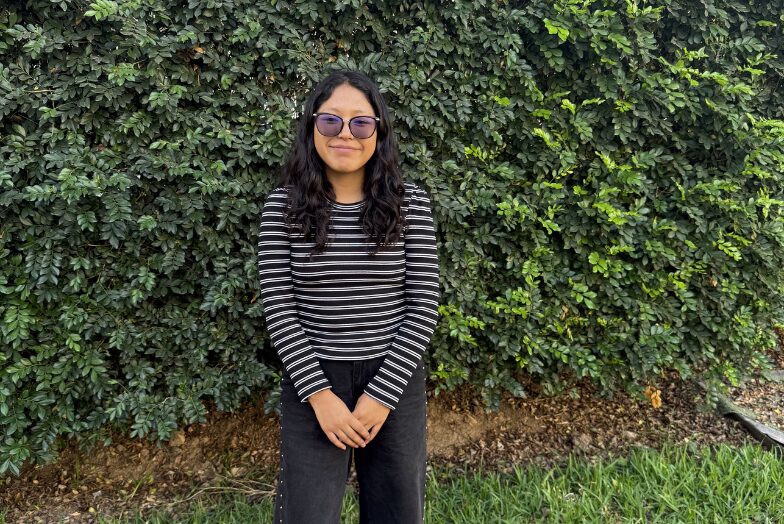
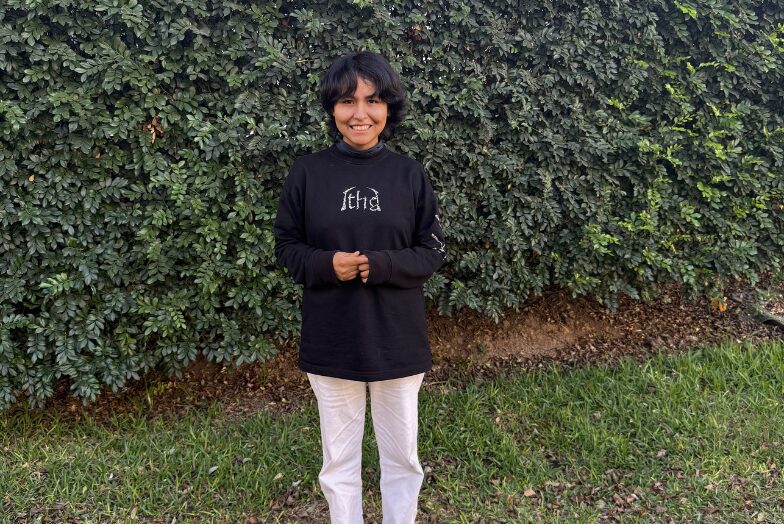
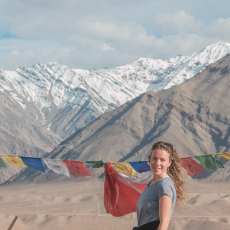
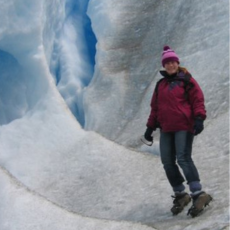
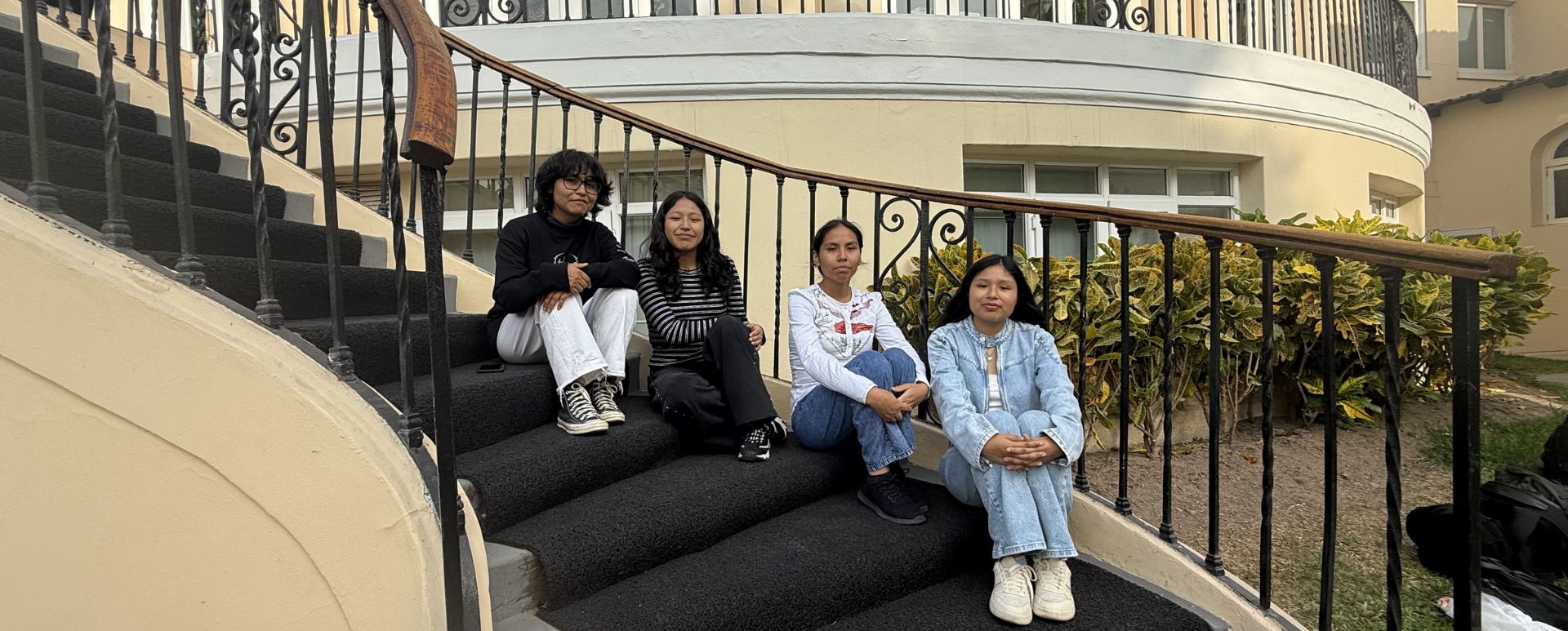
But what happens after they leave the school? I travelled to Lima, where four of the Foundation’s graduates – Neri, Kusi, Ruth and Carolina  (pictured from left to right) – have gone on to university, to talk with them about where they started, what the Foundation gave them and where they’re headed next. Their stories are a powerful reminder of how travel can be a force for good.
Early memories of Sol y Luna 

Ask any of the four about their earliest memories of Sol y Luna, and the answer is always about belonging.

“There were only eight students in my class, and it felt like one big family. We played under the eucalyptus trees, built a treehouse and a tunnel, and explored every corner of the school. Those are some of the happiest memories of my childhood.” Neri remembers of her first years at the school.

For Kusi, arriving from a different school, that first day was daunting, until it wasn’t. “The teachers received me so warmly,” she says. “There were only handful of children per grade. We were all so united”

That closeness, several of them agree, came down to the tutors who stayed with their classes for years at a time. “The same tutor for three or four years, from second grade until we graduated,” Ruth explains. “He was like a father to all of us,  always interested not just in our academic performance, but in our families, our personal lives. He helped me learn how to interact with people, how to open up. We were like brothers and sisters, always supporting each other.”

a picture of So y Luna school
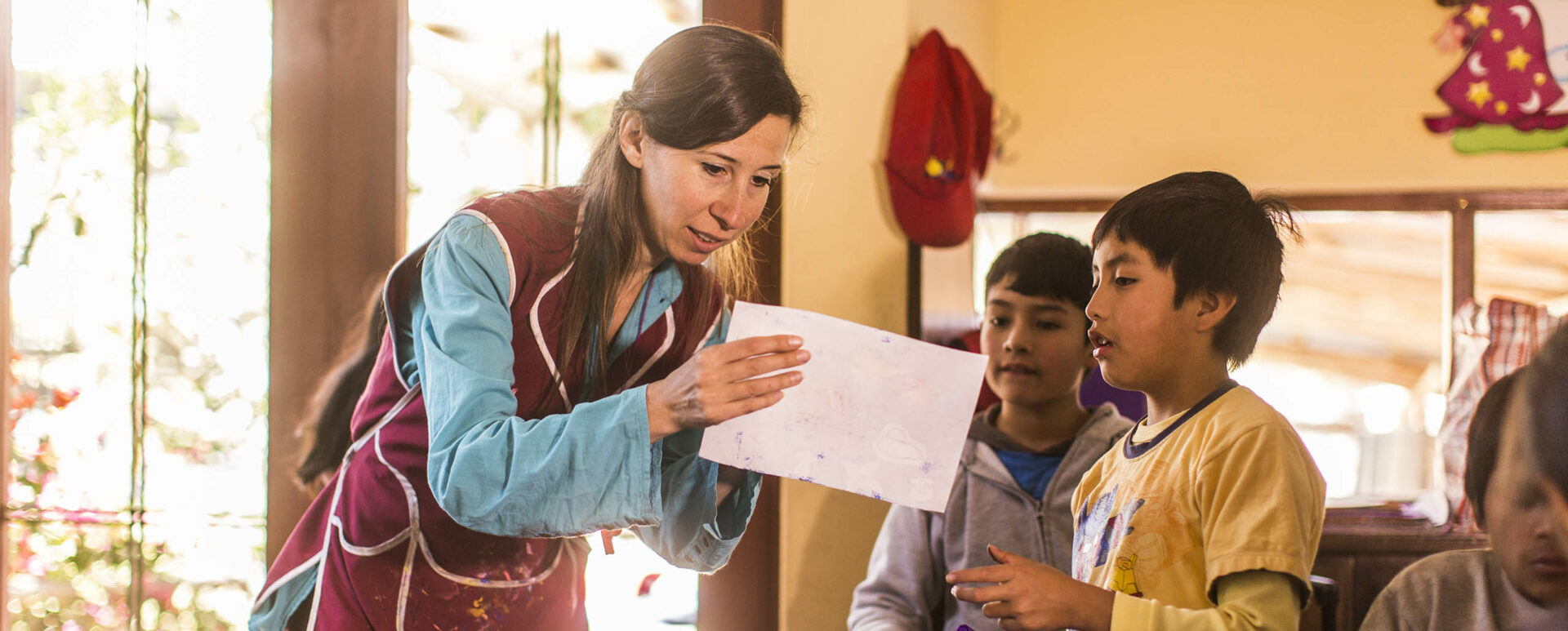
Students learning in a classroom at Sol y Luna School

Learning English, boarding a plane for the first time

One of the clearest threads running through all four stories is experiences beyond the classroom and what it opened up for them.

“The school gave opportunities to those who applied themselves,” Neri says. She and her sister joined an advanced English group that met every Saturday morning, outside of normal school hours, preparing for a full year to sit Cambridge assessment exams. “Ruth and I got our FCE and CAT certificates,” she says. “And that gave us the opportunity to come to Lima for the very first time.”

For students growing up in the Sacred Valley, that trip meant far more than an exam. “It wasn’t only about coming here and taking the test,” Ruth adds. “We were there three or four days, visiting museums, going to the theatre, the beach, trying new restaurants. The school gave us so many opportunities to see new places.”

Carolina fondly remembers one of her teachers in particular. “She was wonderful, incredibly patient and encouraged us to practise English all the time, even though classes were only once a week,” she says. “Beyond that, teachers in secondary school helped me develop a real love of reading. Something that’s absolutely essential to my career today.”

Alongside English, the Foundation opened doors to music, art, gymnastics, drama and a student-run magazine where they learned the basics of journalism. From there, the learning journey continued: the International Baccalaureate, and now, university. “So far, Sol y Luna has financed and made possible every stage: school, high school, the IB, and now university,” Neri says.

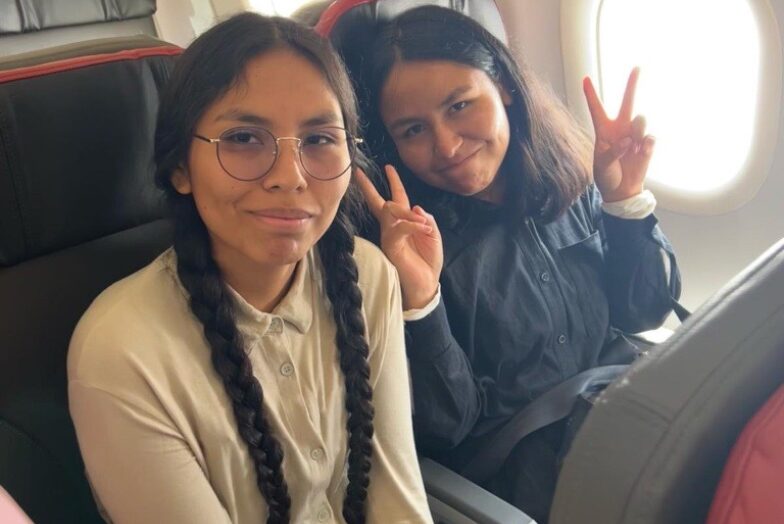
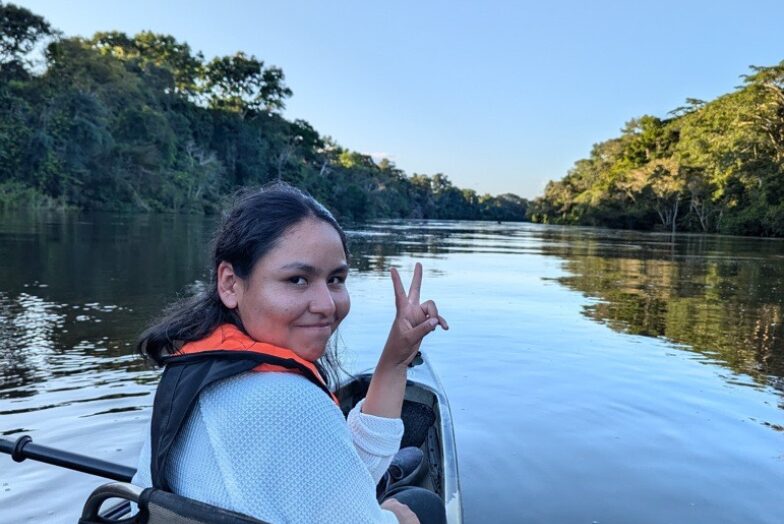
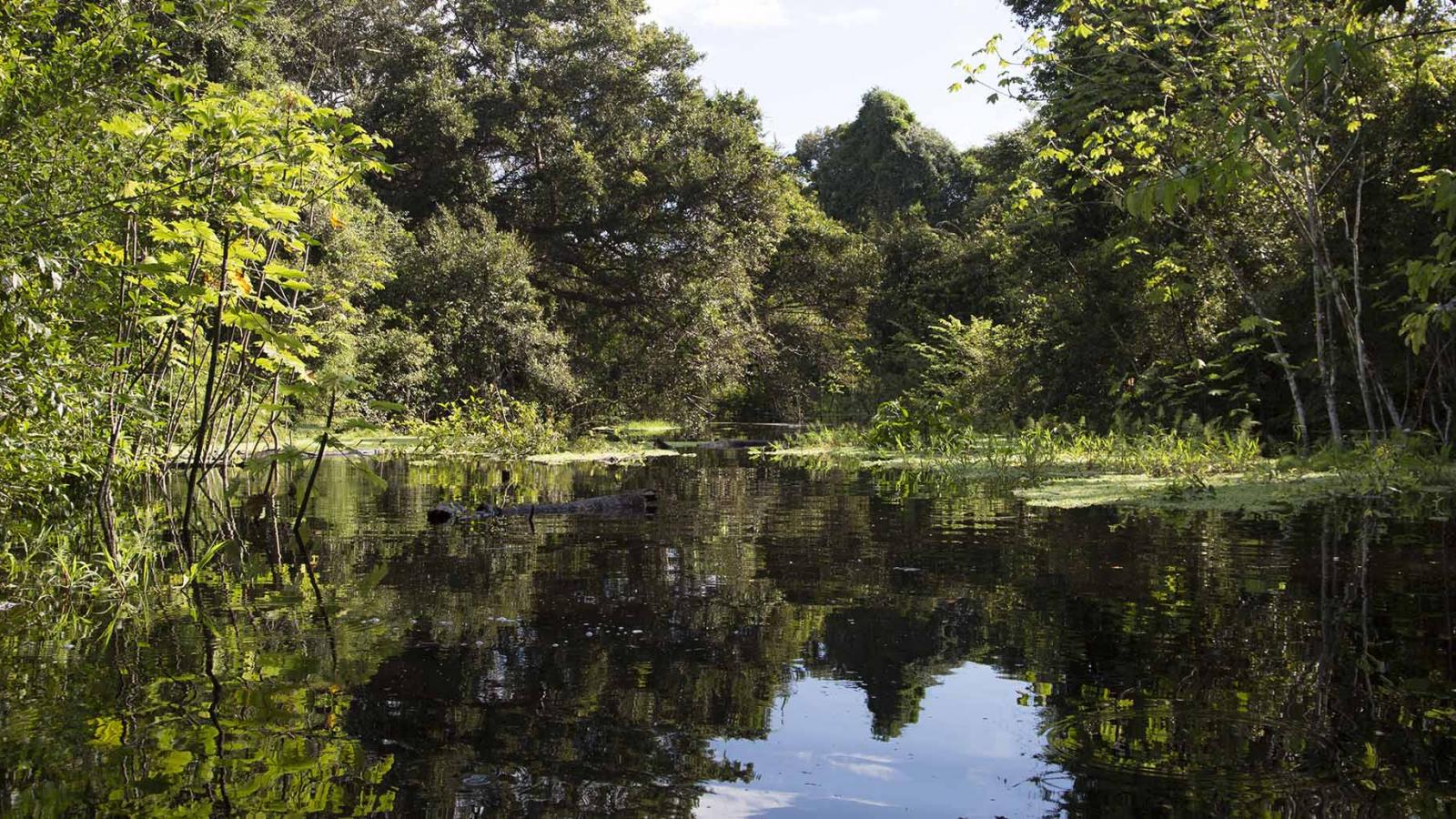
Nedi and Kusi, on the plane to Iquitos, the Amazon
Sol y Luna classroom

The mentors who changed the trajectory

Every graduate points to at least one teacher who shifted something in them.

Neri lights up talking about a young civil engineer who came to teach maths through Enseña Perú, an education-focused NGO. “He was so eager for knowledge and he made me eager too. He taught us how to be curious,” she says. “My grades soared that year. He cared about social change, about community, he’d say, ‘We know you don’t have much, but that shouldn’t stop you from aiming high’. That stayed with me.”

For Carolina, it was a teacher who simply believed in her. “He was the first teacher who really trusted my abilities,” she says. “That trust gave me the motivation to apply myself, and because of him, I gave my studies everything I had.”

Q&A: On donors, opportunity and what comes next

What difference has support from visitors and donors made in your lives?

Ruth: Without that support, none of these opportunities would have existed for us. The Foundation funded our education and supported us through every stage  of our life, not just academically. If we’re going through something personally, they’re there. Knowing we’re not alone gives us the strength to keep going.

Neri: It’s not only financial. Some sponsors become part of a child’s life, they visit our homes, meet our families. I’ve done volunteer work at the Foundation, writing reports for sponsors, and I’ve seen how happy children are to have a godmother or godfather who checks in on them. For kids who don’t have an easy home life, knowing someone out there believes in you and cares about you means everything.

What opportunities has the Foundation made possible for you?

Ruth: I was studying business management when the Foundation gave me the chance to spend a semester at a fashion design studio in Peru. I met people there I still work with, one of them is now a teacher at my university. It showed me they care about our futures, not just our grades.

Carolina: Access to psychological support has meant a lot, sessions with the Foundation’s psychology team that gave us real strategies for dealing with pressure and difficult situations. Given everything we carry academically and personally, that kind of support matters enormously.

Kusi: The Foundation gave me the chance to study at two universities, in a field that combines healthcare and engineering, something still new, not just in Peru but globally. Without their support, I couldn’t have afforded to live and study in Lima. I probably would have chosen a more traditional degree back home in Cusco instead. Sol y Luna let me follow my actual interests, not just what was available.

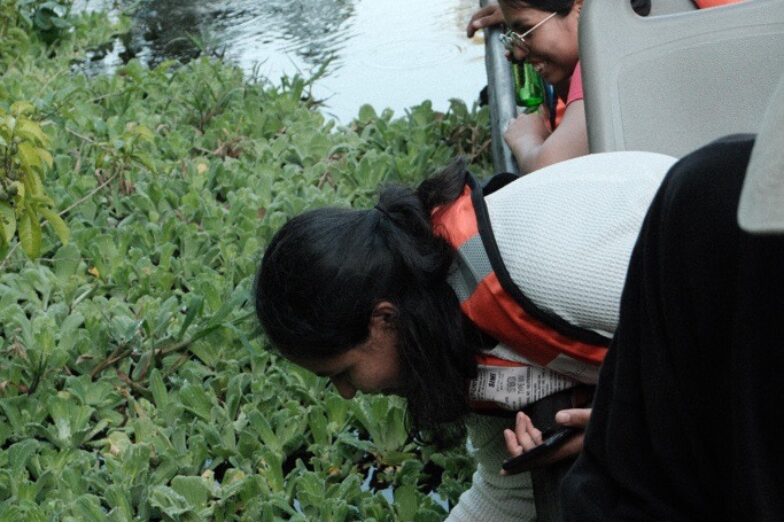
Sol y Luna graduate on a trip in the Amazon

What are your dreams for the future?

Neri: Honestly, to get out of poverty. Even studying at the best university in Peru, our lives right now are financed by the Foundation, they’re not fully ours yet. My real dream is a meaningful, fulfilling life where I never stop learning. I’d love to become an academic, to travel around the world and to study literature or law abroad one day. I would also love to build a project which I will call La Chance, a small lending initiative to give single mothers access to capital and financial education so they can start their own businesses.

Kusi: After this degree, I’d like to do a master’s and eventually build something of my own in health or education, ideally back in my community in Cusco.

Ruth: I want to keep working on creative and research projects that let me explore new places while sharing my community’s culture through my work.

Carolina: In the short term, I want to specialise as a clinical psychologist. Mental health is still a major challenge in communities like mine across Peru and I believe I can make a real difference there.

Carolina, studying Psychology
Ruth, studying Fashion Design

What would you want visitors to Peru to understand about the local community?

Neri: When people visit the Sacred Valley, they see how beautiful and colourful everything is: the traditions, the textiles, the culture. That’s real, and it’s ours. But I’d like them to also see that many families here work incredibly hard, for very little. Most parents dream of their children going to university, having an easier life than they did. It’s not simple, it involves the whole system, not just one thing. Visitors see the beauty, but I don’t know if they always see what it takes to live here, and what it takes to help a family step out of that hardship.

Kusi, studying Medicinal Science
Nedi, studying Law

What advice would you give younger students at the Foundation now?

Ruth: Life isn’t always easy, and challenges can feel overwhelming. But take every opportunity in front of you and trust that the effort is worth it. Keep learning, be patient with yourselves, and never underestimate what you’re capable of.

Kusi: Enjoy the process. Stay curious. It’s what opens up more ways to solve problems later.

Neri: Enjoy every moment, because it doesn’t come back. So many people work incredibly hard every day to give students these opportunities: the teachers, the director, the whole Foundation. Be passionate about what you love, even if it seems unusual. You can achieve real things if you believe in yourself and work hard.

Carolina: Value the opportunities the Foundation gives you. Don’t be afraid to ask for help, to explore, or to fail. Fear is normal, but don’t let it stop you from following your dreams.

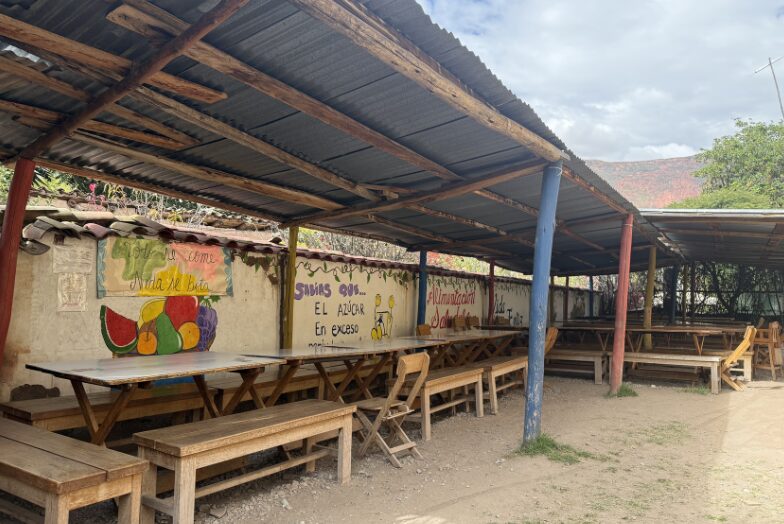
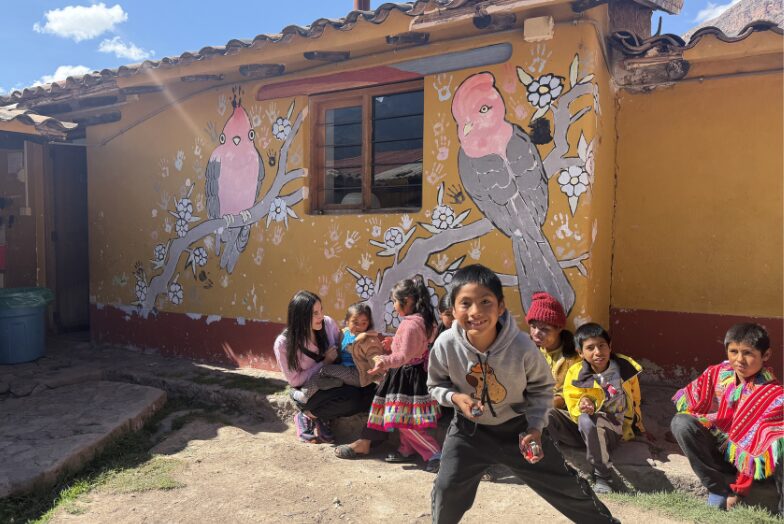
Children in Sol y Luna home
Students learning in a classroom at Sol y Luna School

Why travel with a purpose matters

Neri, Kusi, Ruth and Carolina are four voices among many, but their stories trace the same journey: a small school in the Sacred Valley, teachers who saw potential before anyone else did and a foundation that provides lifelong support.

Every guest who stays with us and supports Sol y Luna becomes part of that journey too. The sponsors who write letters, the donors who fund an English exam, or semester abroad, the visitors who simply take the time to understand the community. As Neri puts it, what these students need most isn’t pity for where they started, it’s the chance to keep going.

The Sol y Luna Foundation provides long-term, holistic support through four integrated programmes: the Intercultural School, Sol y Luna Home, Paqari (its special education centre), and Roots & Wings, which supports graduates as they transition into university, technical education or the workforce. Rather than simply funding education, the Foundation accompanies each child from early childhood into independent adulthood, nurturing their personal, emotional and professional development.

To start planning your own trip to Peru and stay at Hotel Sol y Luna in support of the Foundation — helping change the lives of students like Neri, Ruth, Kusi, and Carolina — visit our Sol y Luna page. Or if you would like to support the Foundation directly by sponsoring a child or young adult, contributing to one of their projects, or making a donation, visit Sol y Luna Foundation page.

Chat to an expert to start planning your trip

Get in touch and one of our luxury travel experts will answer any questions you may have and help create your dream tailor-made holiday.

Related articles

My life-changing experience in the Peruvian Amazon
READ MORE +
My magical stay at Sol y Luna in Peru’s Sacred Valley
READ MORE +
How to make a real difference with cazenove+loyd, a responsible travel company
READ MORE +