Le Commandant Charcot

Antarctica

Highlights

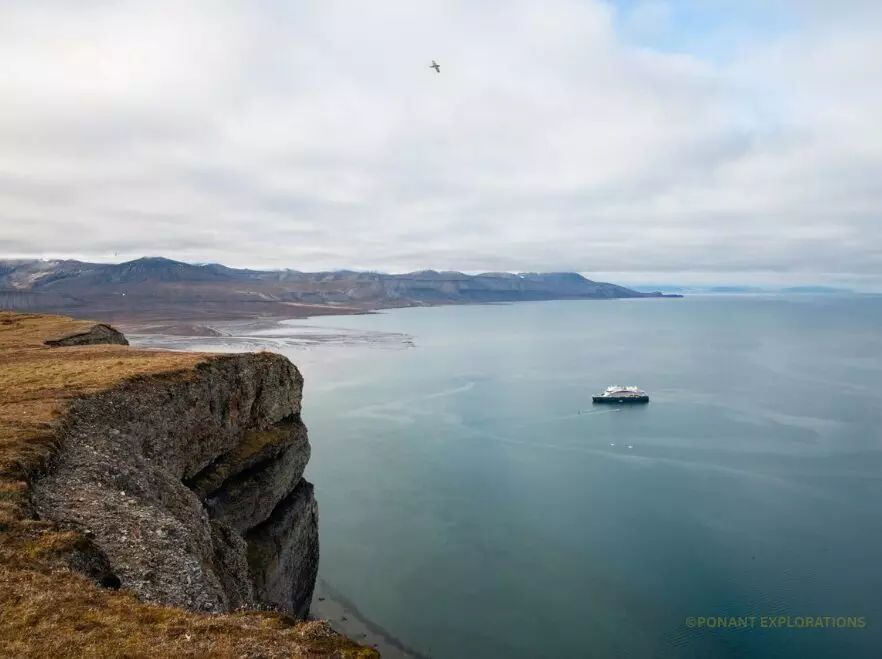
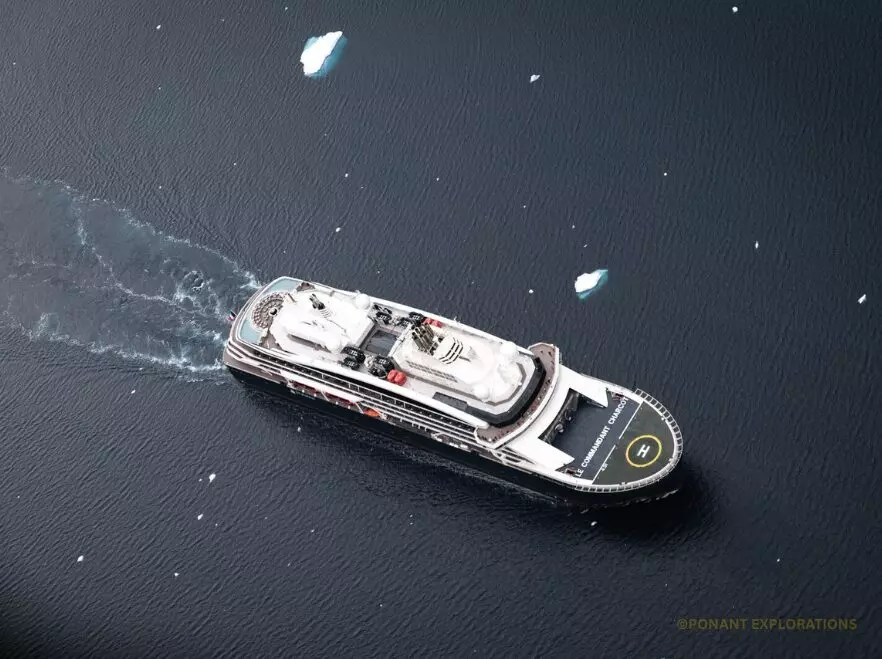
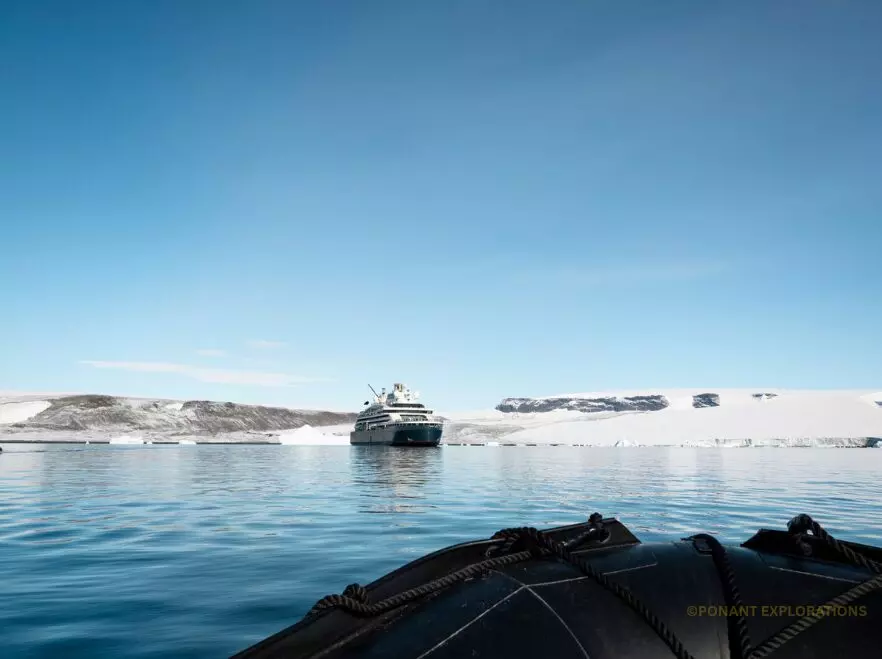
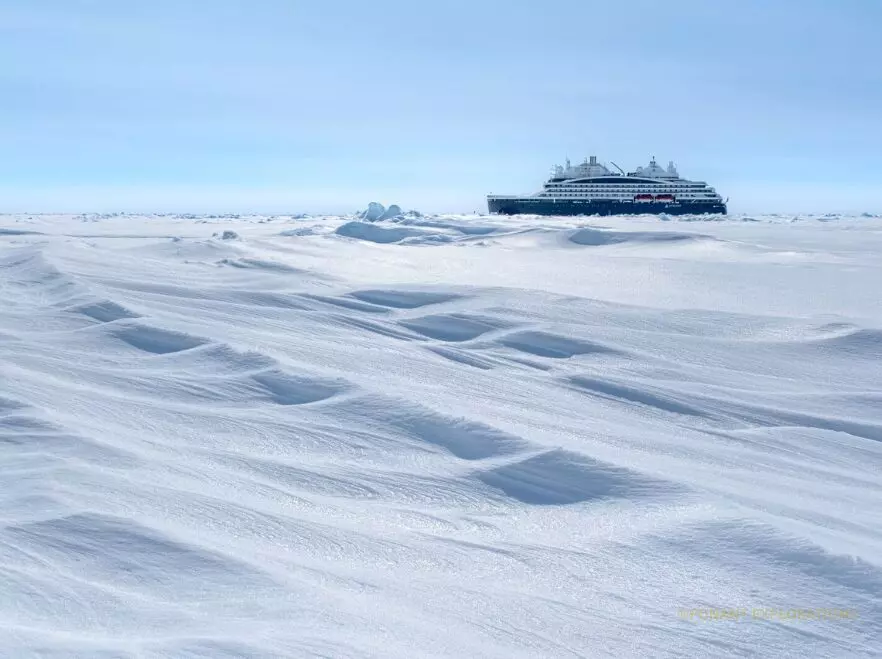
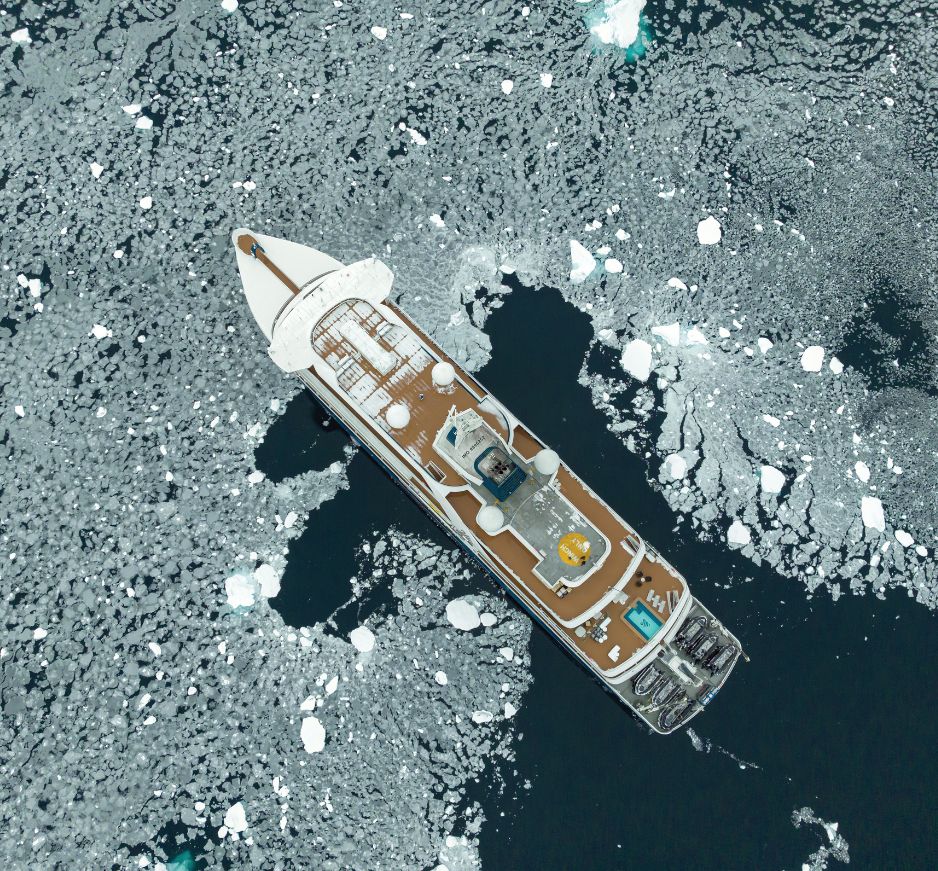
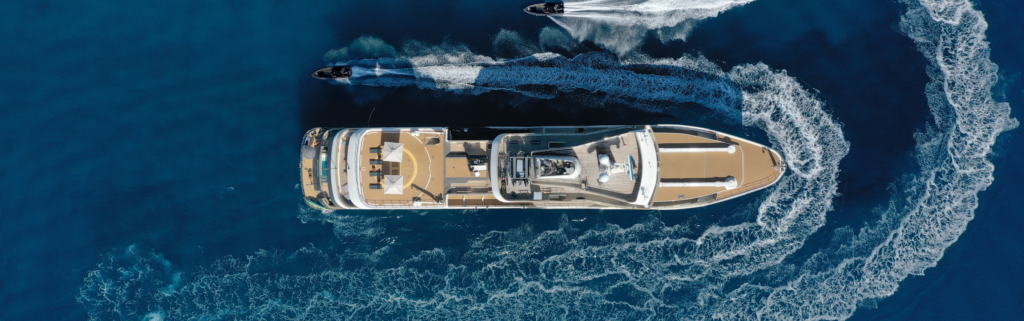
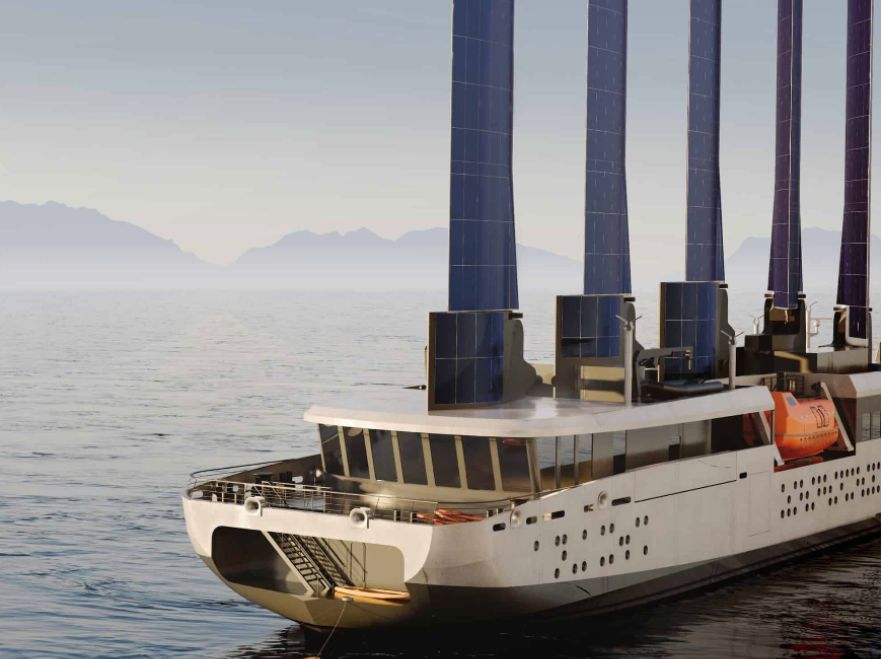
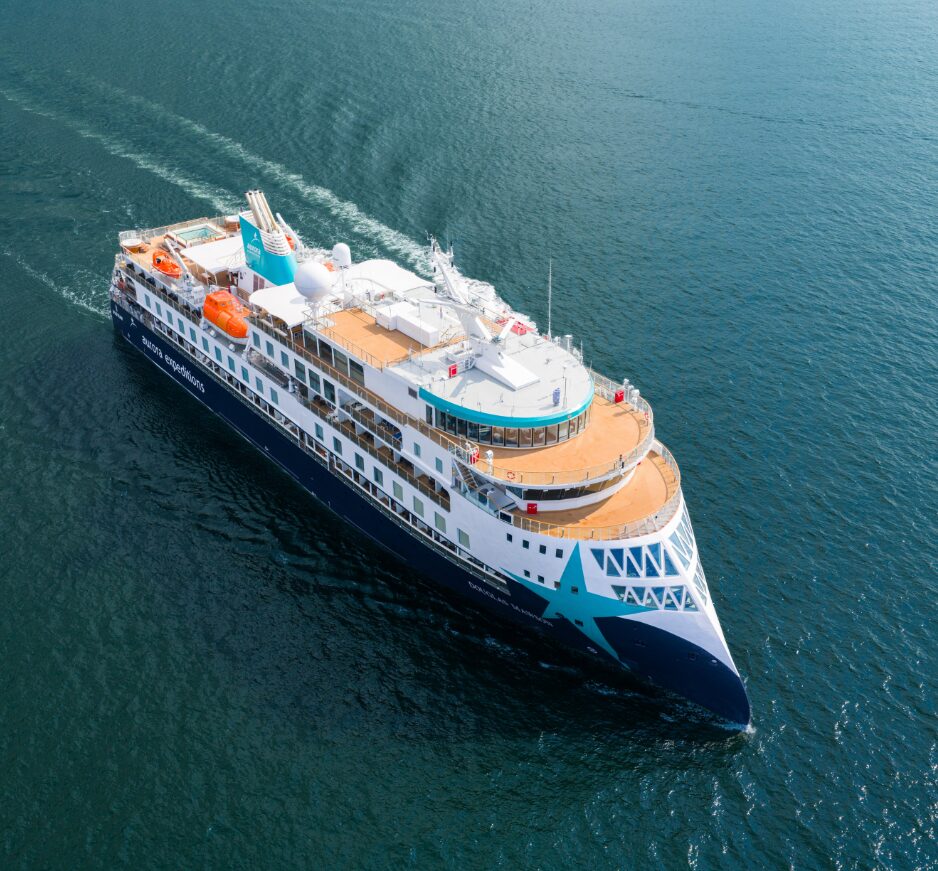
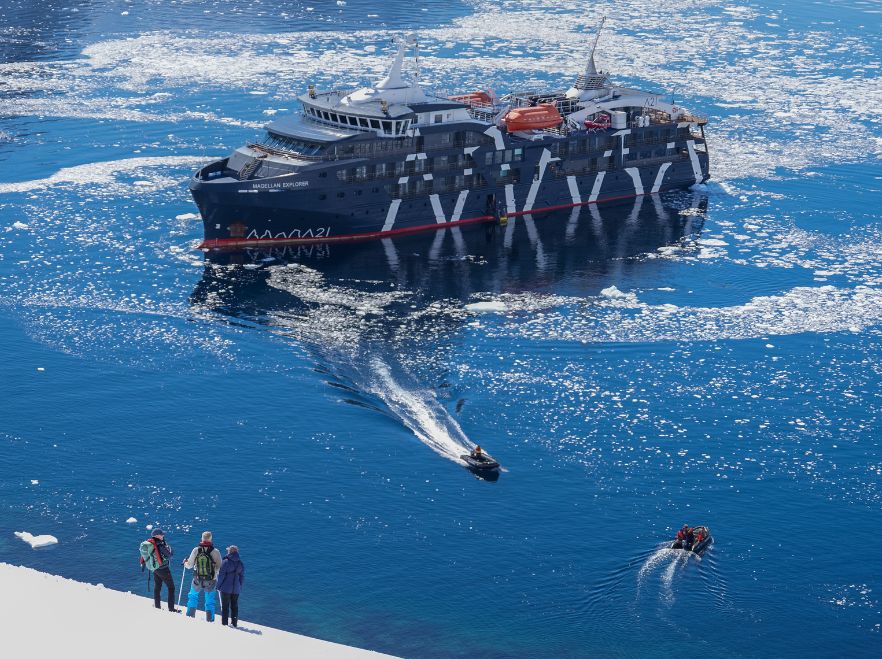
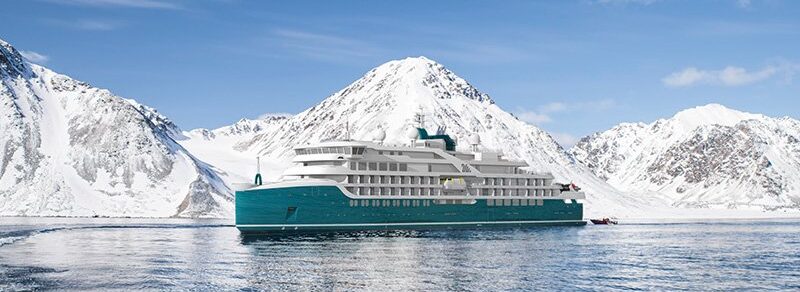
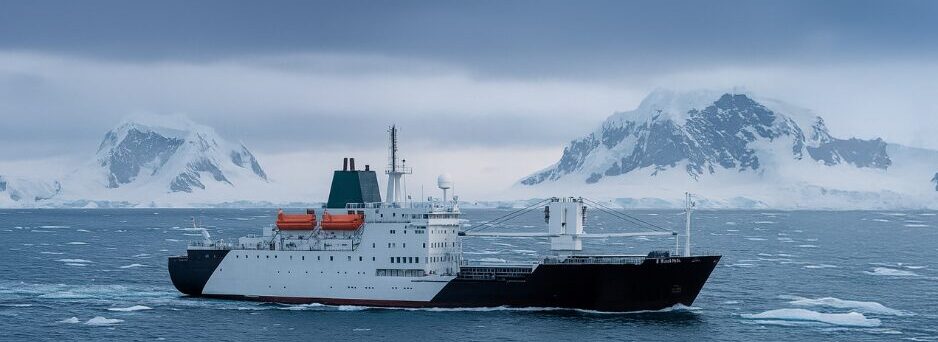
  • Voyages: Le Commandant Charcot is purpose-built for polar exploration, combining an icebreaking hull with hybrid LNG-electric propulsion to navigate some of the world’s most extreme Arctic and Antarctic environments. It also offers rare access to the Geographic North Pole, visited by very few people.
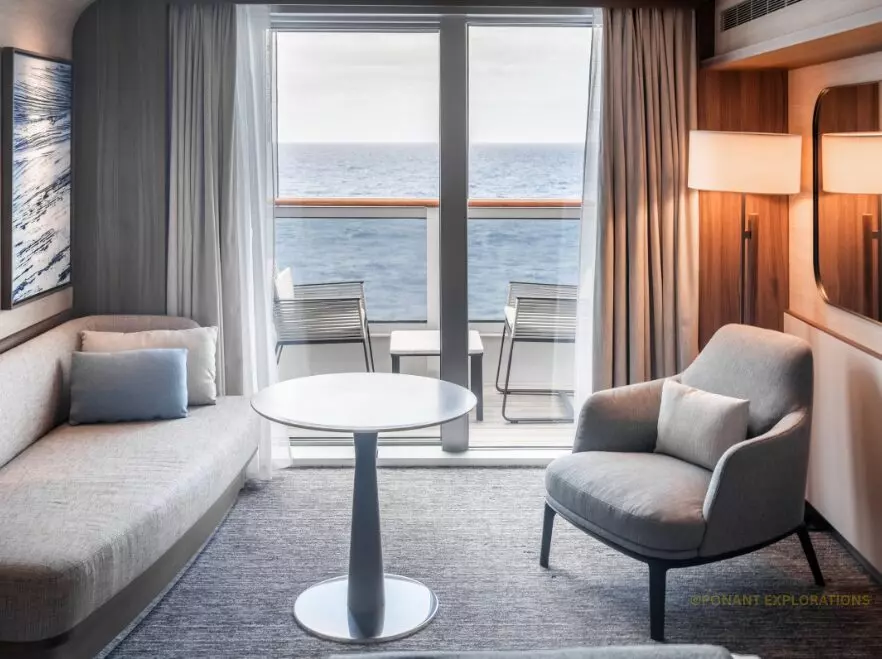
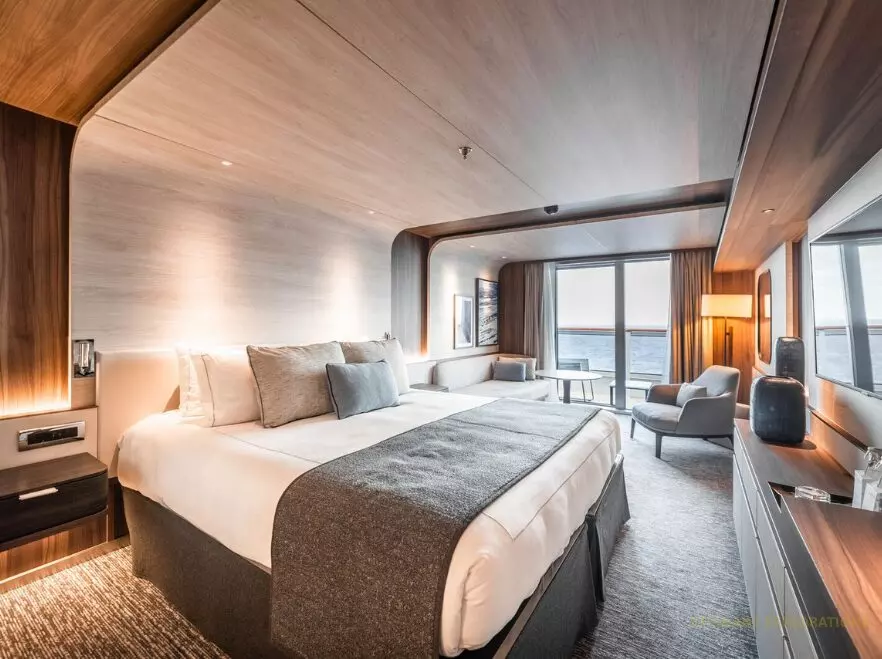
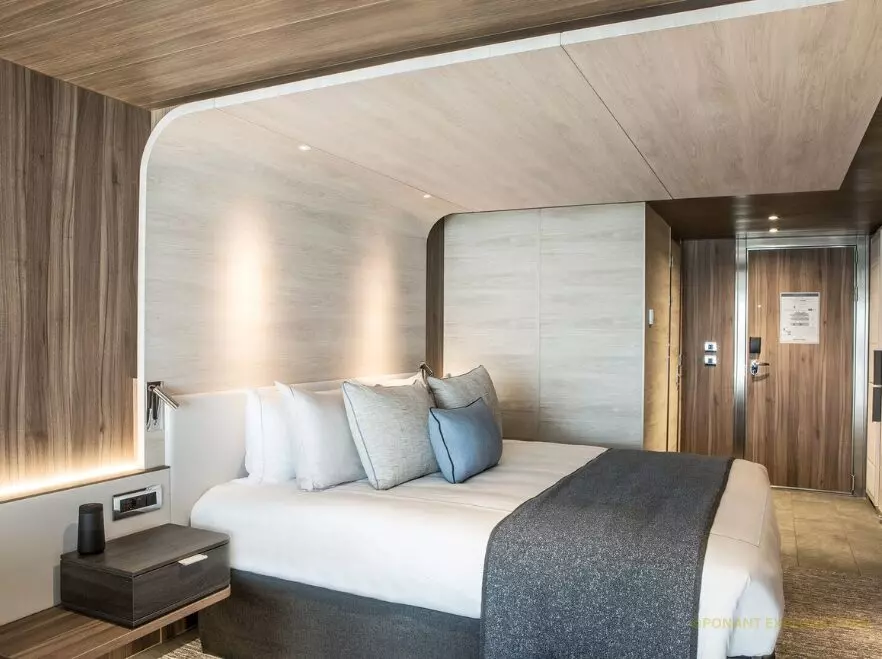
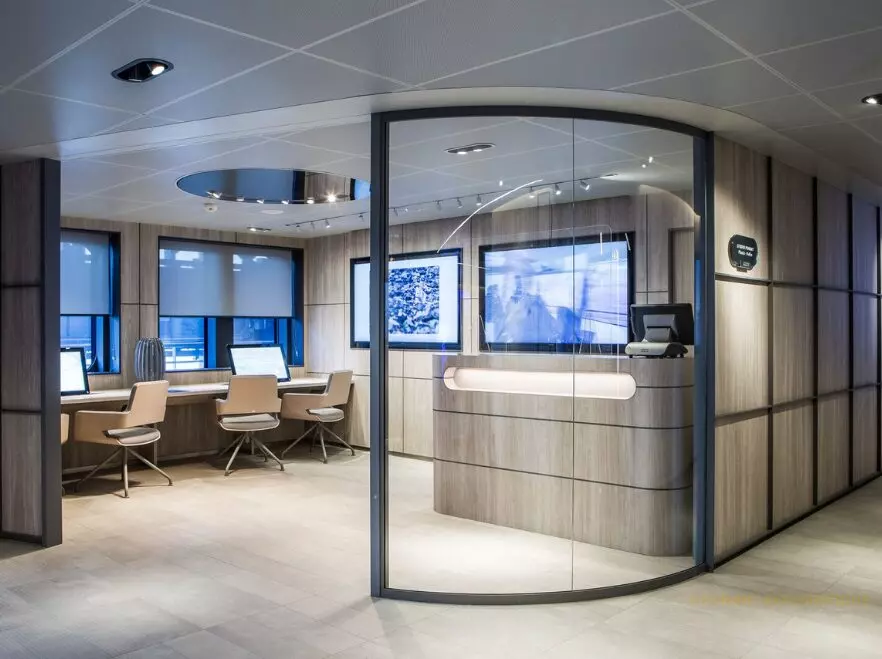
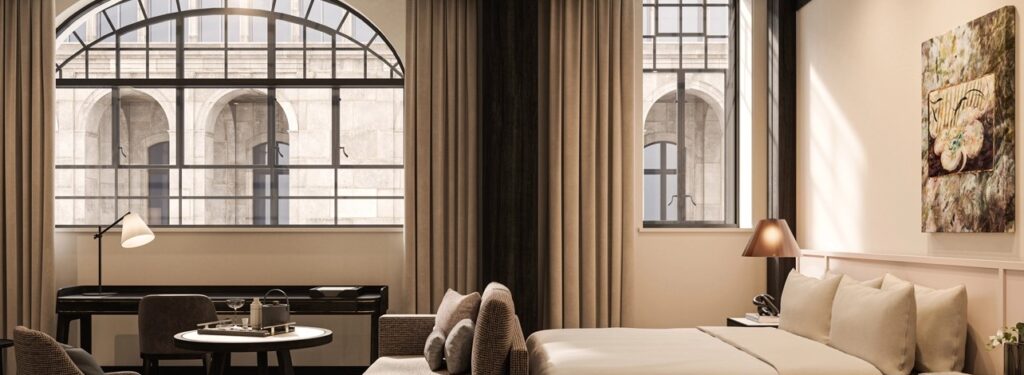
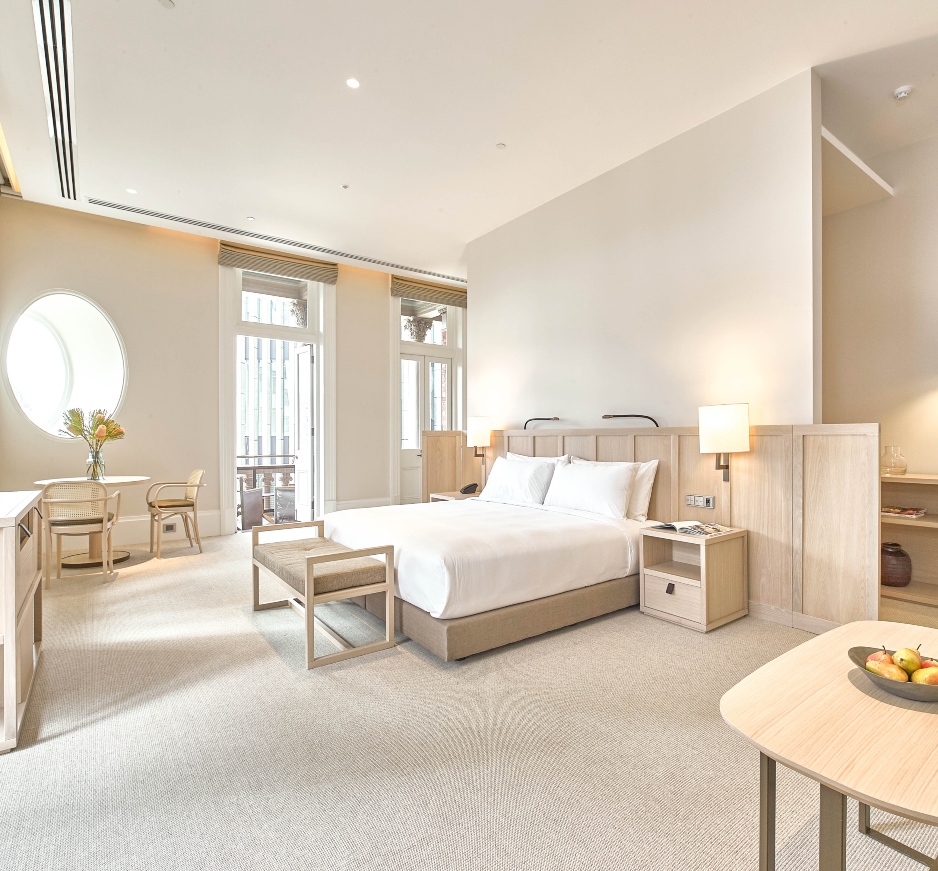
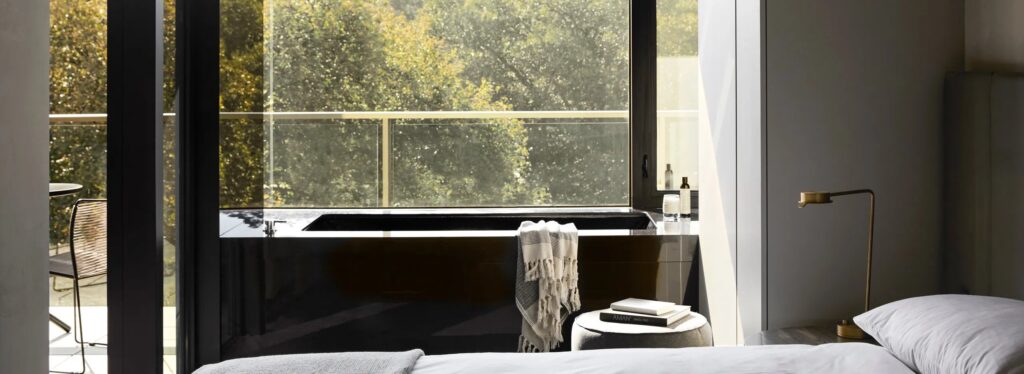
  • Suites and Staterooms: The ship offers elegantly designed suites and staterooms, with private balconies. The ship has a contemporary French design with warm, refined interiors and expansive sea views throughout.
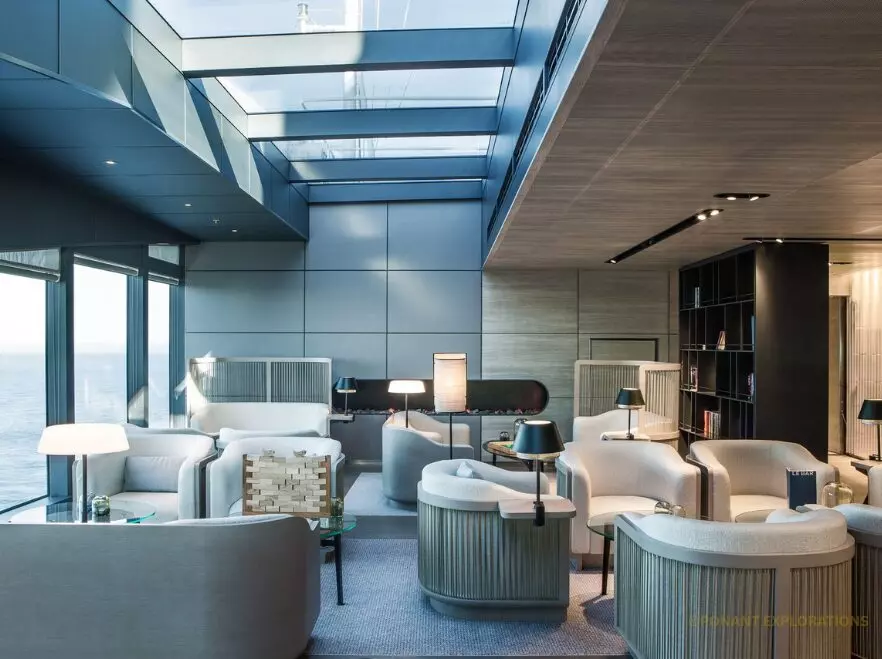
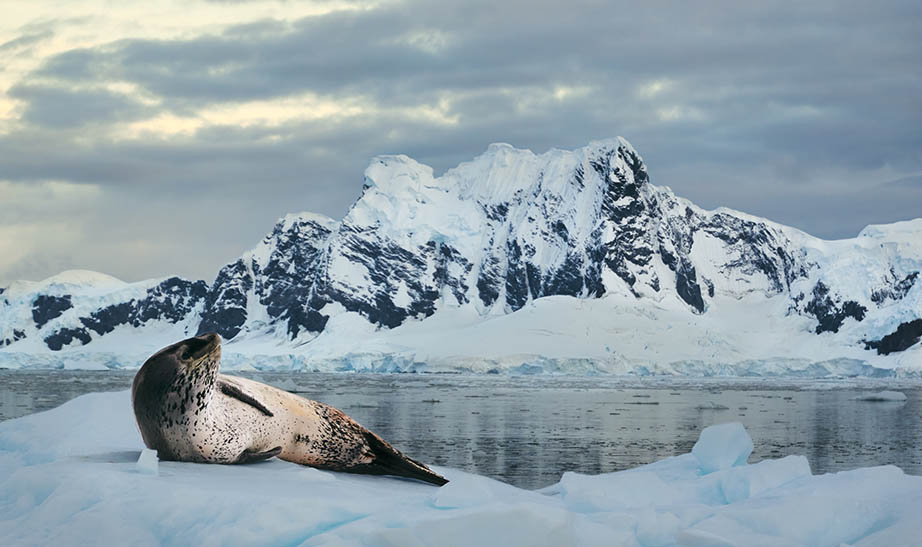
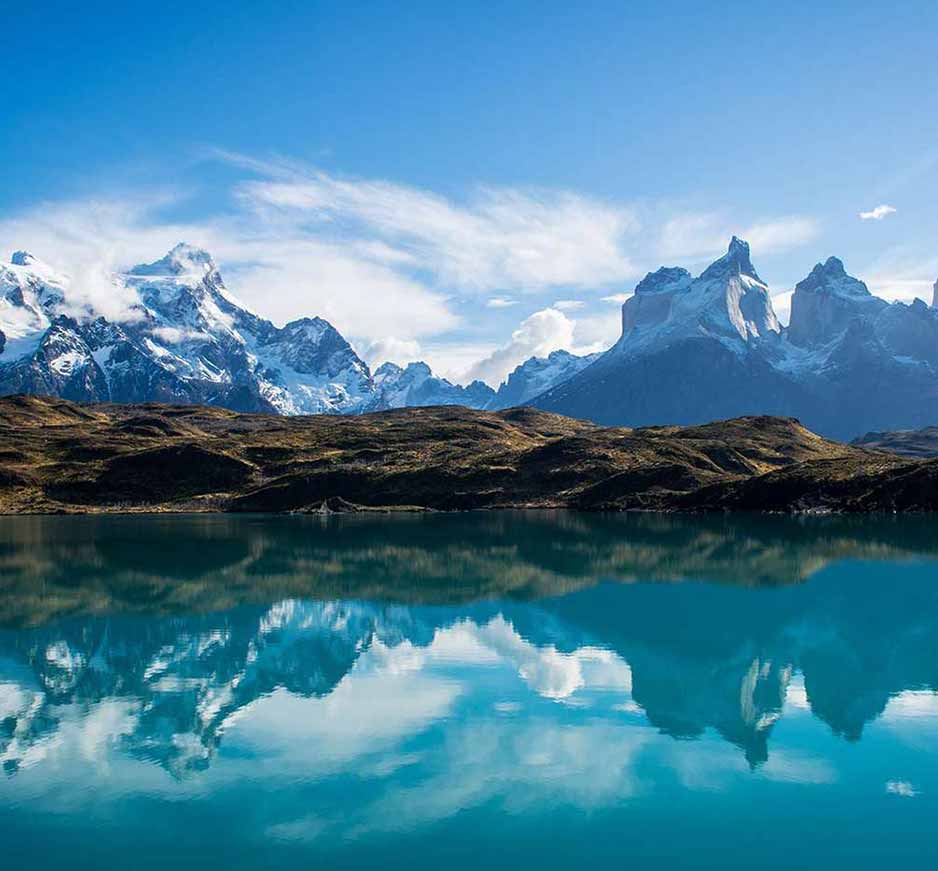
  • Panoramic Observation Spaces: Expansive indoor and outdoor observation areas provide uninterrupted views of ice landscapes, wildlife, and remote horizons, creating ideal conditions for photography and quiet contemplation at sea.
  • Advanced Sustainability: Powered by liquefied natural gas alongside electric propulsion systems, the vessel is designed to reduce emissions and minimise environmental impact while operating in fragile polar ecosystems.
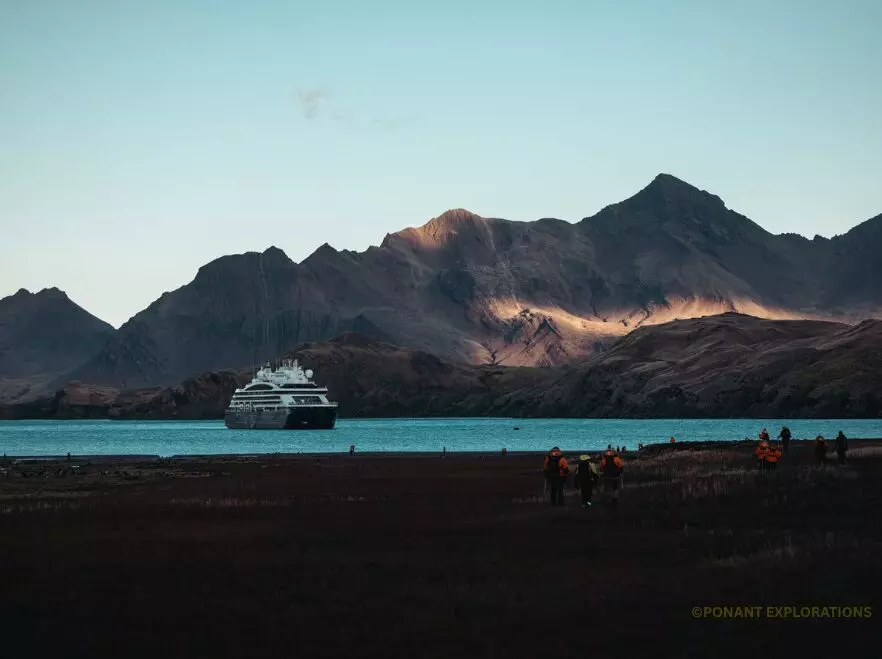
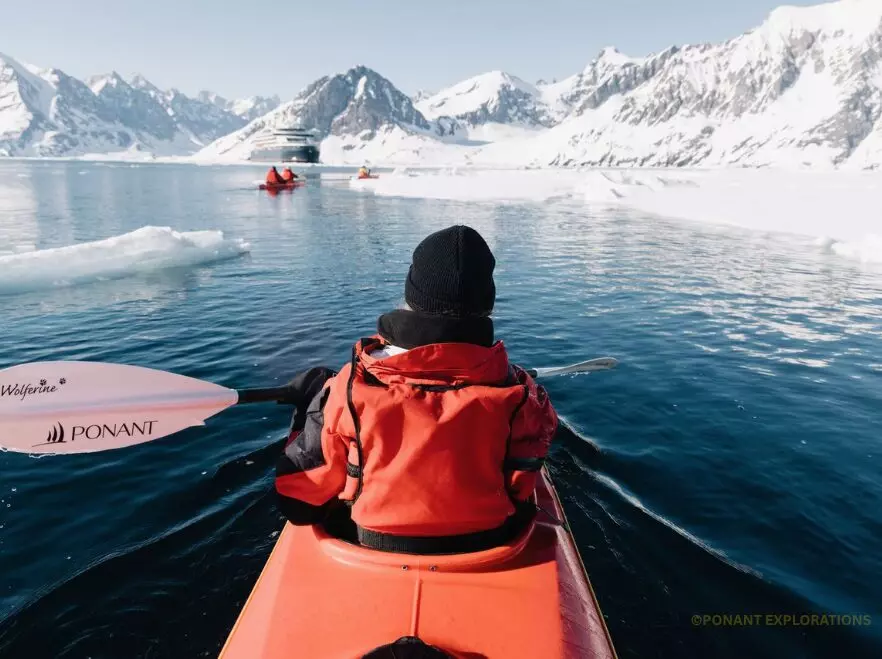
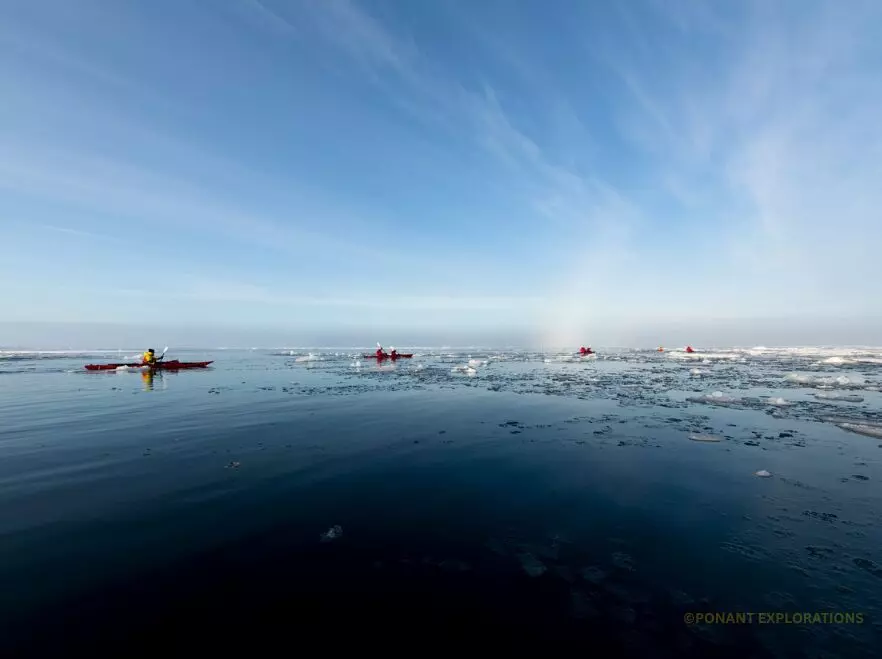
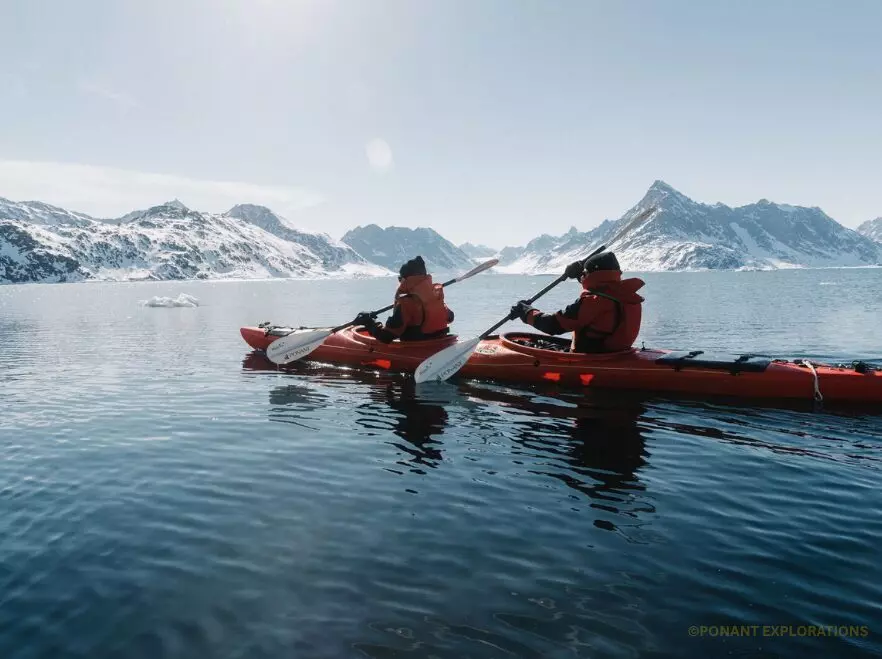
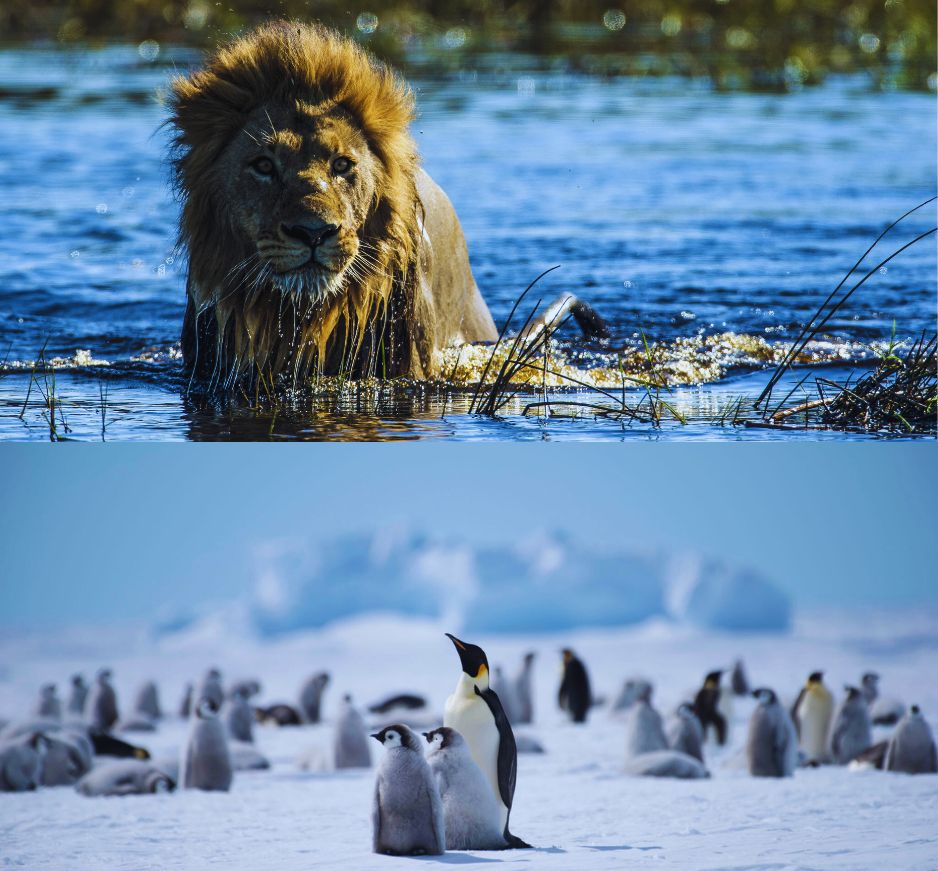
  • Expert-Led Expeditions: Voyages are enriched by a team of expedition experts, including naturalists and scientists, who guide Zodiac outings, shore landings, and onboard lectures focused on polar wildlife, geology, and exploration history.
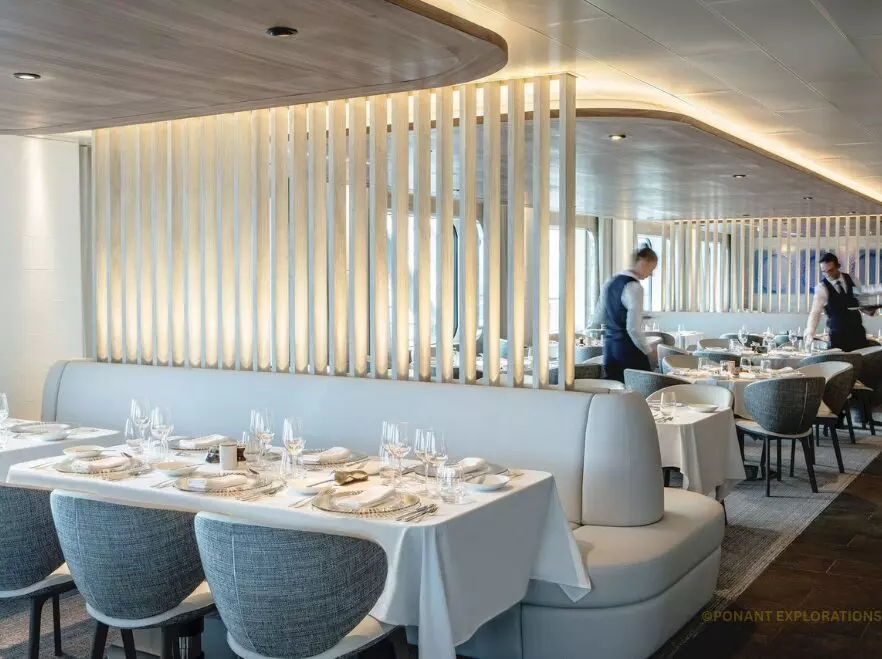
  • Wellness and Onboard Comfort: Guests can enjoy a range of facilities including a spa, fitness space, panoramic lounge areas, and refined dining venues showcasing French-inspired cuisine, designed for comfort between expedition days.

Why we love the Le Commandant Charcot

Blockquote

A major draw of Le Commandant Charcot is the sense of access to extreme environments with relative ease. Le Commandant Charcot is particularly special as it is one of the only ships capable of reaching the Geographical North Pole, and there isn’t a more comfortable way to reach the Earth’s landless axis. The interior and the suites are absolutely beautifully designed and have all of the amenities you may need. The cuisine is also exceptional.

Speak To Someone Who’S Been There
Karen Chapman

Start to planning your tailor-made trip by contacting one of our specialists

Karen Chapman
CALL US TODAY +44 207 384 2332
Make An Enquiry
trustpilot excellent rating for cazenove+loyd

Features

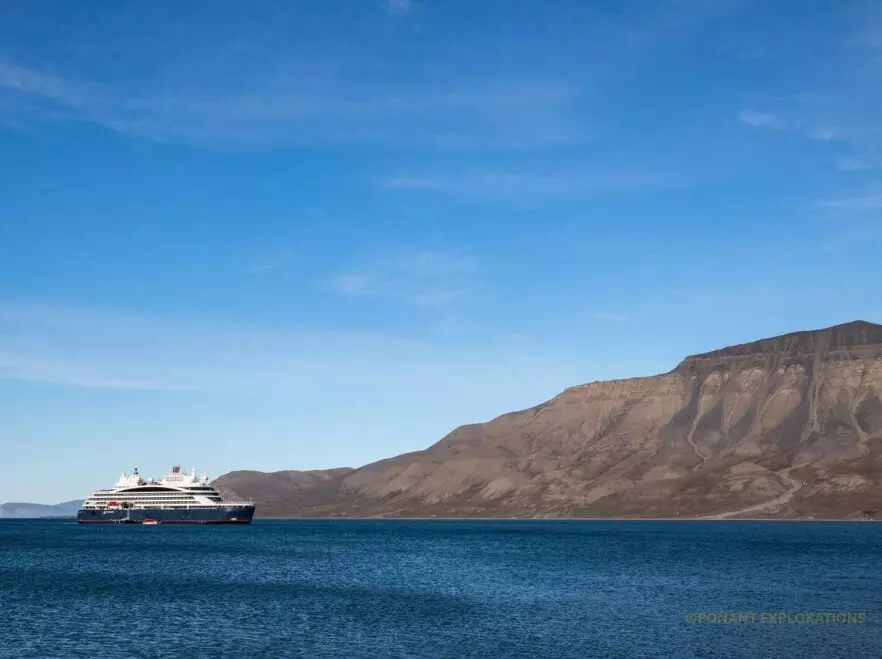
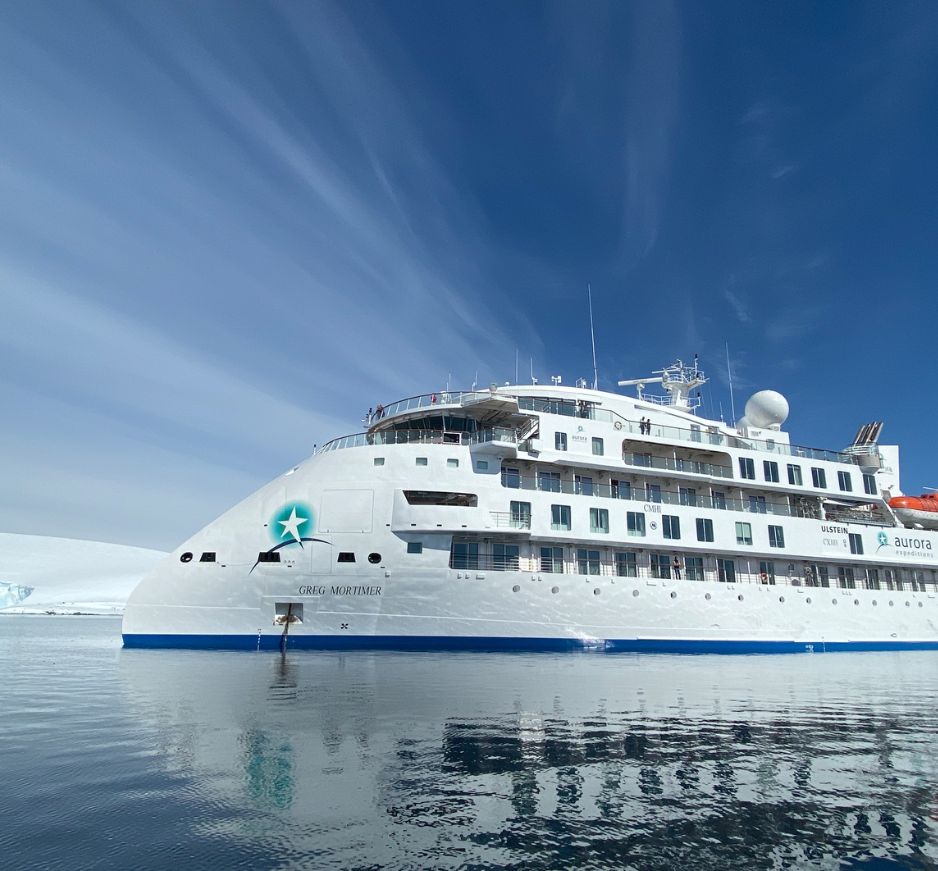
  • Constructed: Built in 2021 in Søviknes, Norway, Le Commandant Charcot is a next-generation luxury icebreaker designed for polar exploration and hybrid-electric cruising.
  • Capacity: Accommodates up to 245 guests, offering spacious all-suite accommodation with balconies in many categories.
  • Guides: The expedition team includes highly specialised naturalists and field experts such as marine biologists, ornithologists, geologists and historians, selected according to each voyage’s polar itinerary.
  • Crew: Staffed by approximately 215 crew members, ensuring a high level of service alongside expedition operations and safety.
  • Speed: A maximum and average cruising speed of 15 knots in open water. When actively navigating through sea ice, her speed typically ranges from 7 to 10 knots
  • Ice Class: Rated PC2, one of the highest polar ice classifications for a passenger vessel, enabling navigation in some of the most demanding ice conditions.
  • Size: 150 metres in length and 28 metres in beam.
  • Restaurants: Features a main restaurant, an outdoor grill, and a panoramic lounge bar, offering varied dining settings with expedition-focused service.

Top Luxury Hotels + Lodges In Antarctica

Previous
Next

Good to know

Le Commandant Charcot offers an all-suite accommodation concept, with a range of categories that vary primarily by size, layout, and level of space:

Prestige Staterooms: These entry-level suites are generously sized and include a private balcony, a comfortable seating area, and large windows. They provide a light-filled base for time spent onboard, with all the expected contemporary amenities.

Deluxe Suites: These suites offer additional interior space and a more expansive layout than the Prestige Staterooms, along with a private balcony and a comfortable living area designed for extended stays in polar regions.

Prestige Suites: Larger again in scale, these suites provide increased living space, a more generous bathroom, and a wider balcony. They are designed to enhance comfort while maintaining a clean, contemporary style throughout.

Duplex Suites: These are arranged over two levels, offering a split layout that separates living and sleeping areas. They are among the most distinctive accommodation types onboard, providing a greater sense of space and privacy.

Owner’s Suite: The most spacious category onboard, offering the largest overall footprint, a separate living area, and an extended private terrace, designed for those seeking the highest level of comfort and space at sea.

Le Commandant Charcot welcomes younger guests, though participation is subject to age guidelines and the nature of each expedition.

Children are generally accepted from around 8 years old, although this may vary depending on the specific voyage, itinerary, and prevailing operational conditions.

As a purpose-built polar expedition vessel, the ship is not designed as a dedicated family cruise experience and does not feature children’s facilities or organised youth programmes onboard.

Given the remote destinations, Zodiac excursions, and time spent in cold-weather environments, voyages are best suited to older children who are comfortable with active expedition travel and extended periods at sea.
Le Commandant Charcot is widely regarded as one of the most advanced environmentally conscious vessels operating in polar regions, designed specifically to reduce impact in some of the world’s most fragile ecosystems.
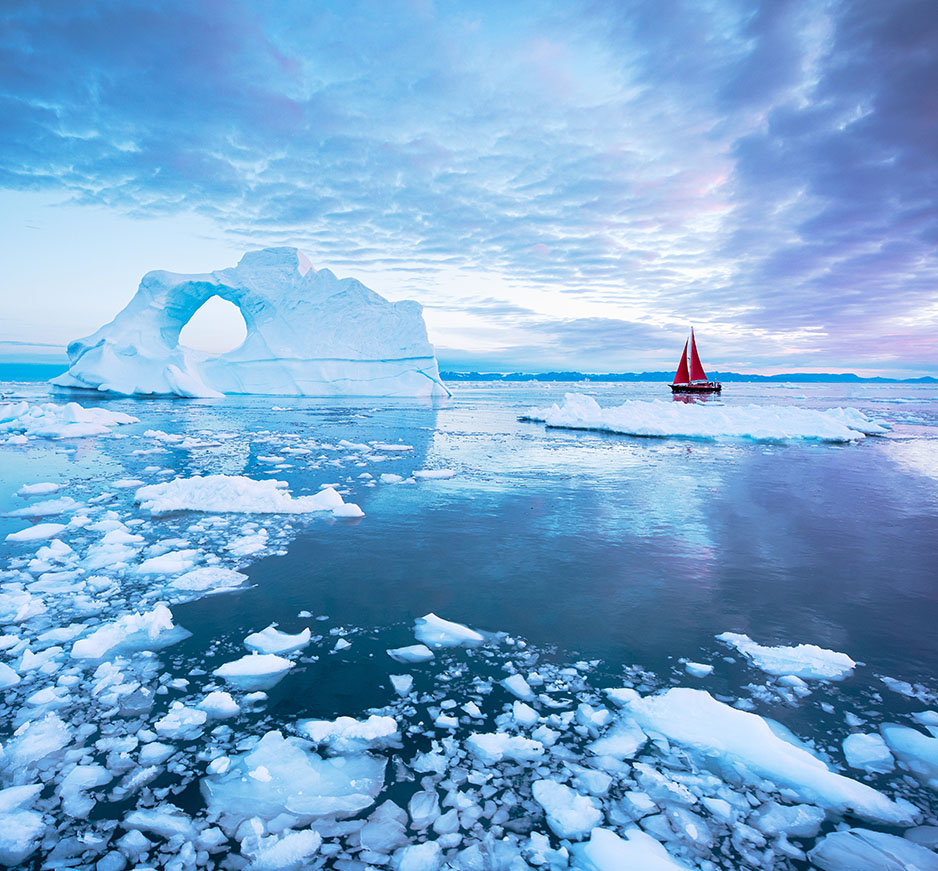
The ship is powered by a hybrid propulsion system combining liquefied natural gas (LNG) with electric batteries. This dual-energy setup significantly reduces emissions compared with conventional marine fuel, particularly in terms of sulphur oxides, nitrogen oxides, and fine particulates. The battery system also allows for quieter, low-emission operation in sensitive areas, which helps limit disturbance to wildlife.
Its design incorporates a strengthened polar hull with an ice-class rating that enables navigation without the need for an escort icebreaker in certain conditions, helping to reduce additional fuel use and associated emissions during polar operations.

Onboard systems are engineered to improve energy efficiency throughout the voyage, including heat recovery and optimised power management. Waste handling is also carefully controlled, with strict onboard treatment and recycling protocols to reduce discharge into the marine environment.

Beyond the vessel itself, expedition operations are planned with environmental considerations in mind, including controlled landings, strict wildlife distance protocols, and small-group shore visits designed to limit pressure on delicate polar habitats.

Overall, the ship represents a move towards lower-impact polar exploration, balancing access to remote regions with a more considered approach to emissions and ecosystem protection.

Le Commandant Charcot contributes to environmental protection and local engagement mainly through its operating model rather than through large-scale community programmes, reflecting the remote and sensitive regions it visits.

From an environmental perspective, the vessel is designed to minimise its footprint in polar waters through its hybrid LNG–electric propulsion system, reduced underwater noise in battery mode, and strict onboard waste treatment processes. Expedition operations are also tightly managed, with small Zodiac groups, controlled landing procedures, and clear wildlife-distance rules to limit disturbance in fragile ecosystems.

The ship’s itineraries are planned in line with regulated polar access frameworks, meaning landings and routes are carefully coordinated to avoid sensitive habitats and to comply with conservation requirements in the Arctic and Antarctic. Scientific collaboration is also a feature of some voyages, with opportunities for onboard researchers and expedition teams to collect observations that can contribute to broader understanding of polar environments.

In terms of community engagement, interactions are more limited due to the remoteness of destinations. Where landings take place in Arctic regions, visits are conducted respectfully and in small groups, often with local guides or partners where available, helping to support local knowledge exchange rather than large-scale tourism infrastructure.

On selected expeditions, guests may be invited to take part in light scientific observation activities alongside the expedition team. These can include recording wildlife sightings, helping to document sea ice conditions, or contributing observations that support broader environmental research initiatives in polar regions.

These activities are usually guided by onboard naturalists and expedition scientists, and they are designed to be simple, structured, and accessible rather than technical field research. The data collected may, in some cases, be shared with scientific partners or research programmes focused on polar ecosystems

Why cazenove+loyd?

Insider Knowledge

Personalised Approach

Rare
Access

Impartial advice