

Why visit the Ibera Wetlands
The Iberá Wetlands are one of South America’s great conservation success stories. Covering more than 13,000 square kilometres in northeast Argentina, this vast mosaic of lagoons, marshes, grasslands and forests protects an extraordinary concentration of wildlife. Yet despite its scale, it remains far less visited than many of the continent’s better-known natural attractions.
- Boat safaris – Glide through lagoons and waterways in search of caiman, capybaras, marsh deer, giant otters and an exceptional variety of birdlife.
- Rewilding success stories – Learn how Iberá has become a global conservation model, with the reintroduction of jaguars, giant anteaters, red-and-green macaws and giant otters.
- Wildlife photography – The abundance of habituated wildlife and open landscapes create excellent opportunities for both amateur and professional photographers.
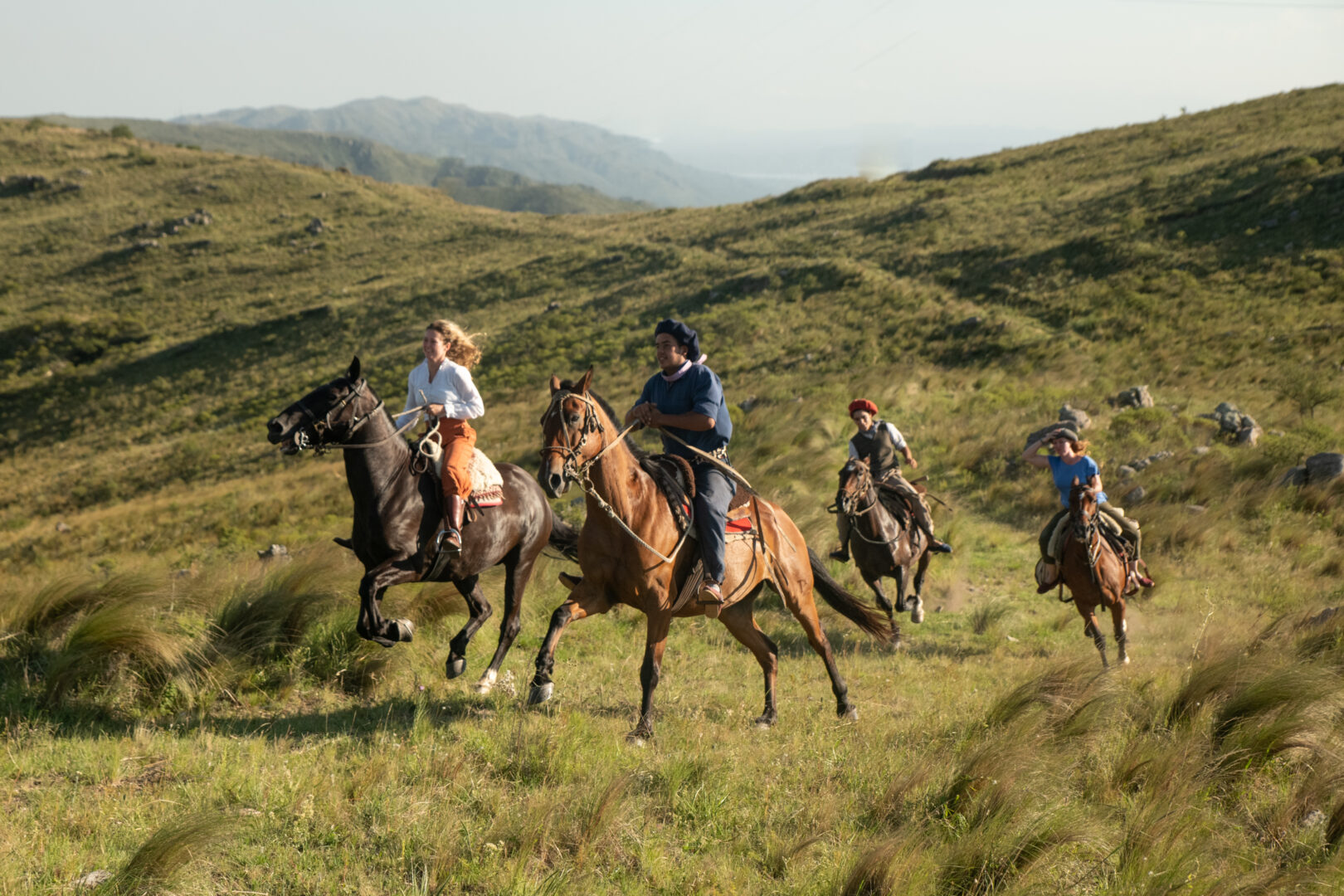
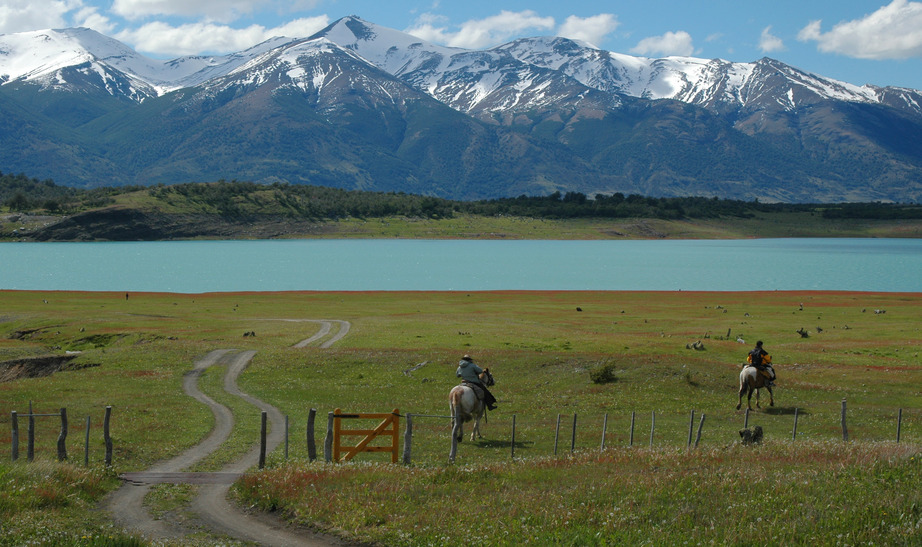
- Horseback exploration – Ride with local gauchos across grasslands, wetlands and cattle ranches, accessing areas beyond the reach of vehicles and boats.
- Birdwatching – Spot some of Argentina’s most sought-after species, including jabiru storks, hyacinth macaws, strange-tailed tyrants and dozens of colourful waterbirds.
- Estancia stays – Combine wildlife encounters with life on a traditional Argentine ranch, enjoying home-cooked food, horseback riding and warm local hospitality.

Start to planning your tailor-made trip by contacting one of our specialists

Argentina trip ideas



Gallery
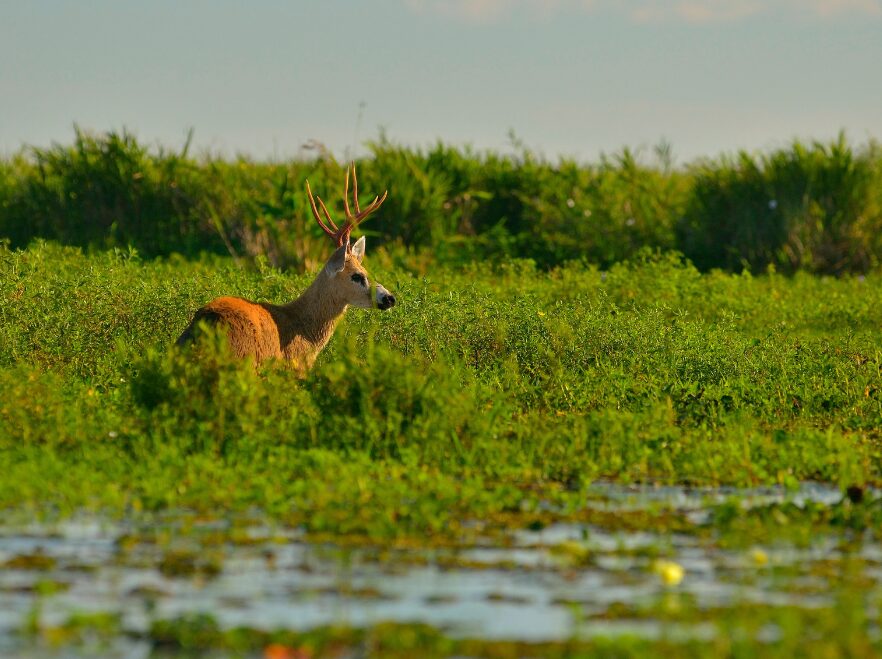
A marsh deer in the Ibera Wetlands
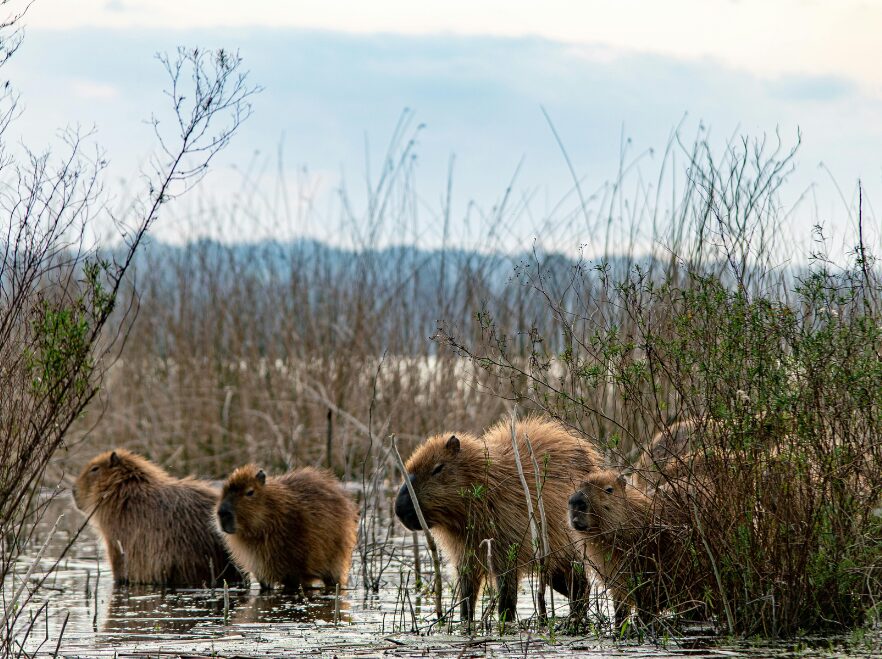
A family of capybara venture into the water
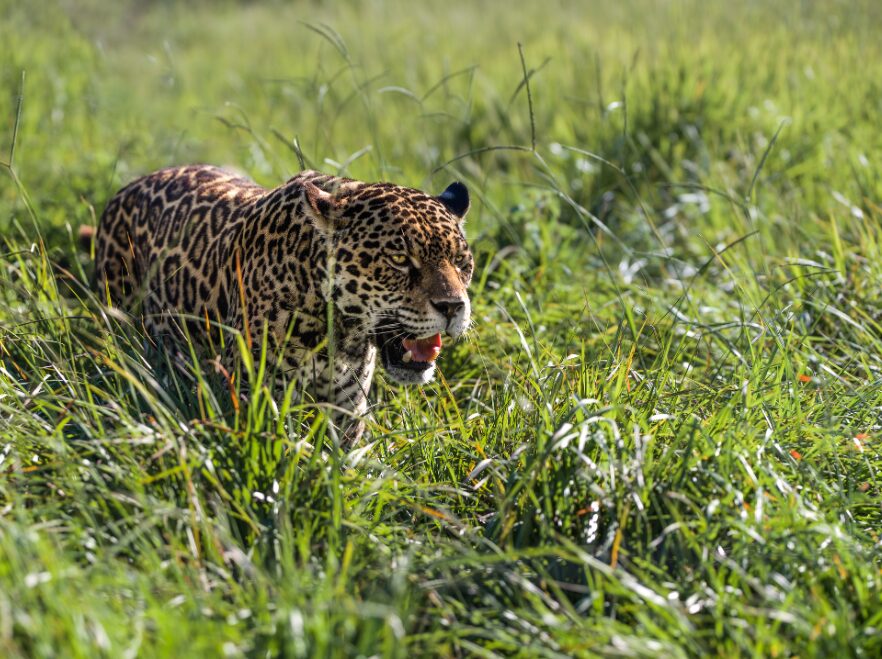
A jaguar prowls through the wetlands
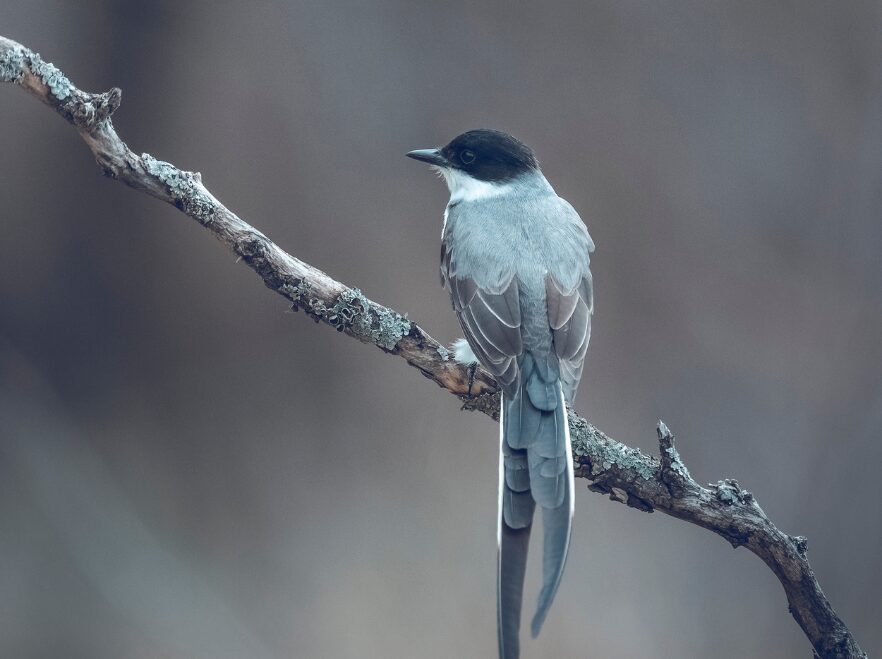
Birdlife in the Ibera Wetlands
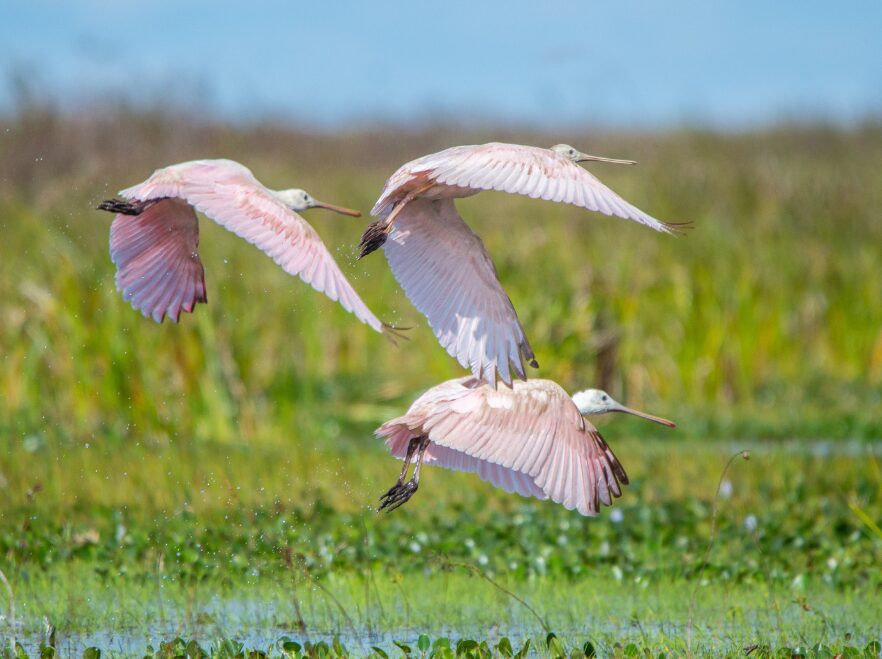
Birdlife in the Ibera Wetlands
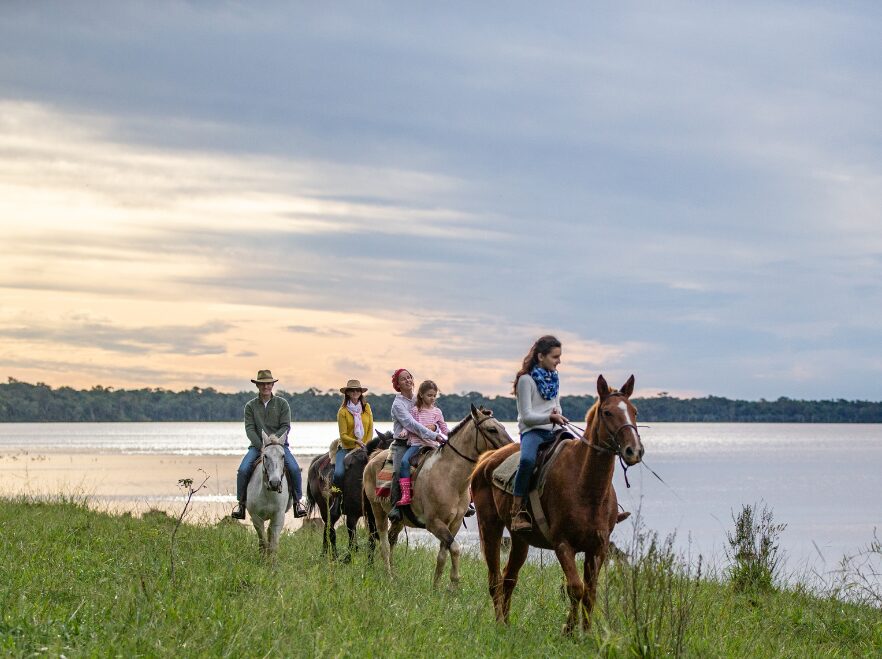
Riding in the wetlands from Puerto Valle
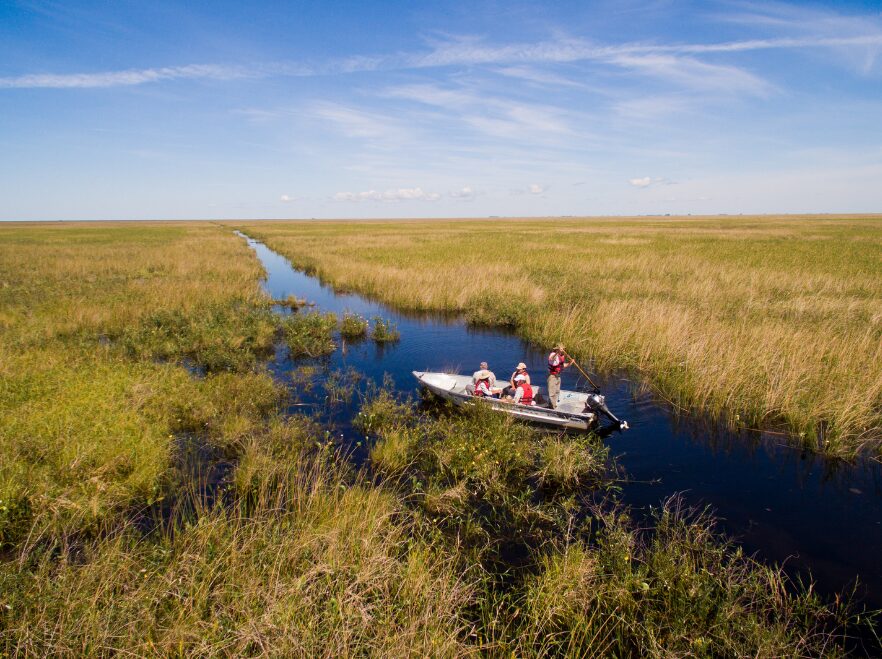
Exploring the Wetlands from Puerto Valle
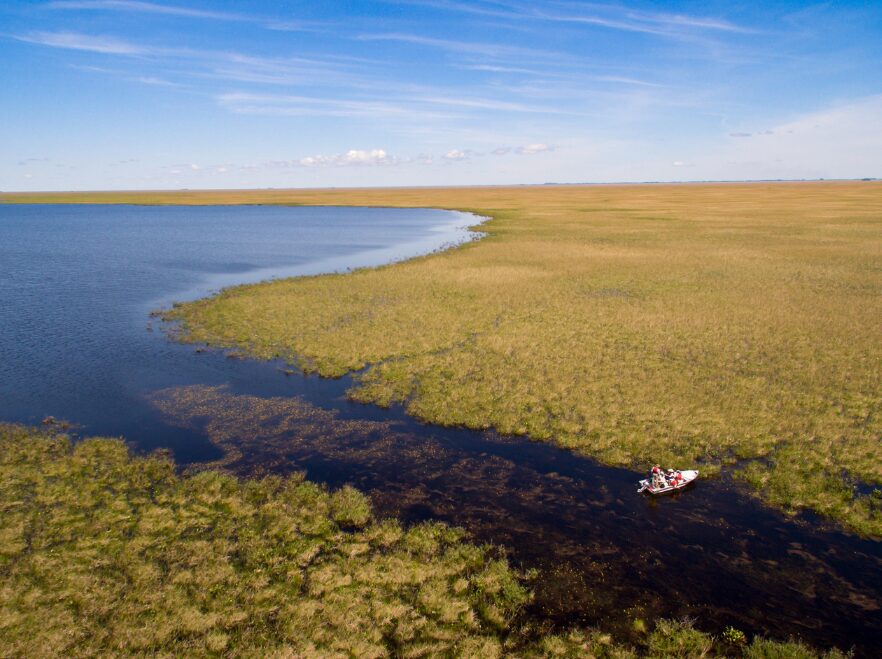
Exploring the Wetlands from Puerto Valle

Sunset on the Wetlands
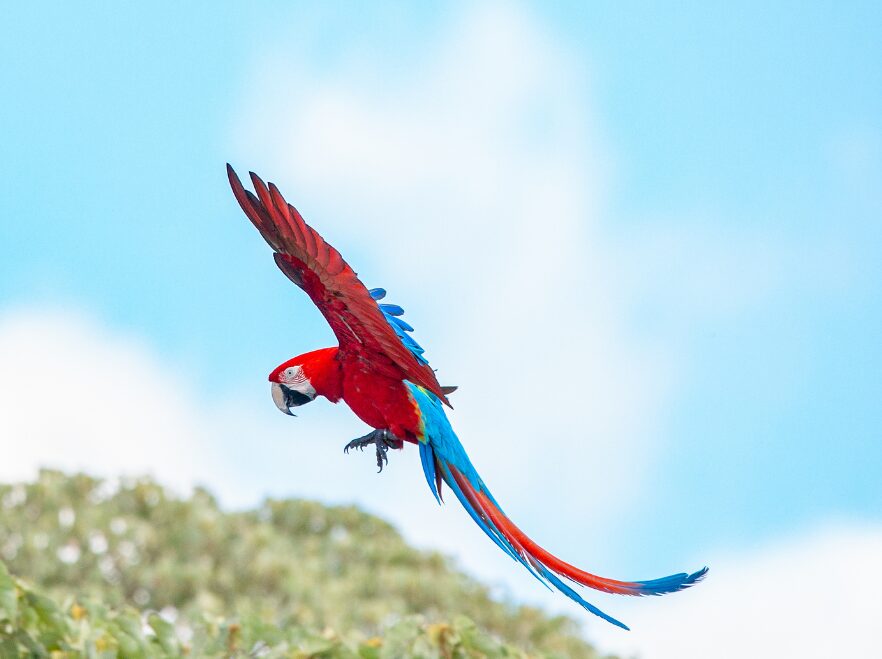
A parrot in the Wetlands


Our favourite places to stay in Ibera Wetlands

Plan your holiday with us today
Our team of travel specialists are ready to help you plan your next adventure. Enquiry lines are open 24/7
Good to know
Getting to the Ibera Wetlands
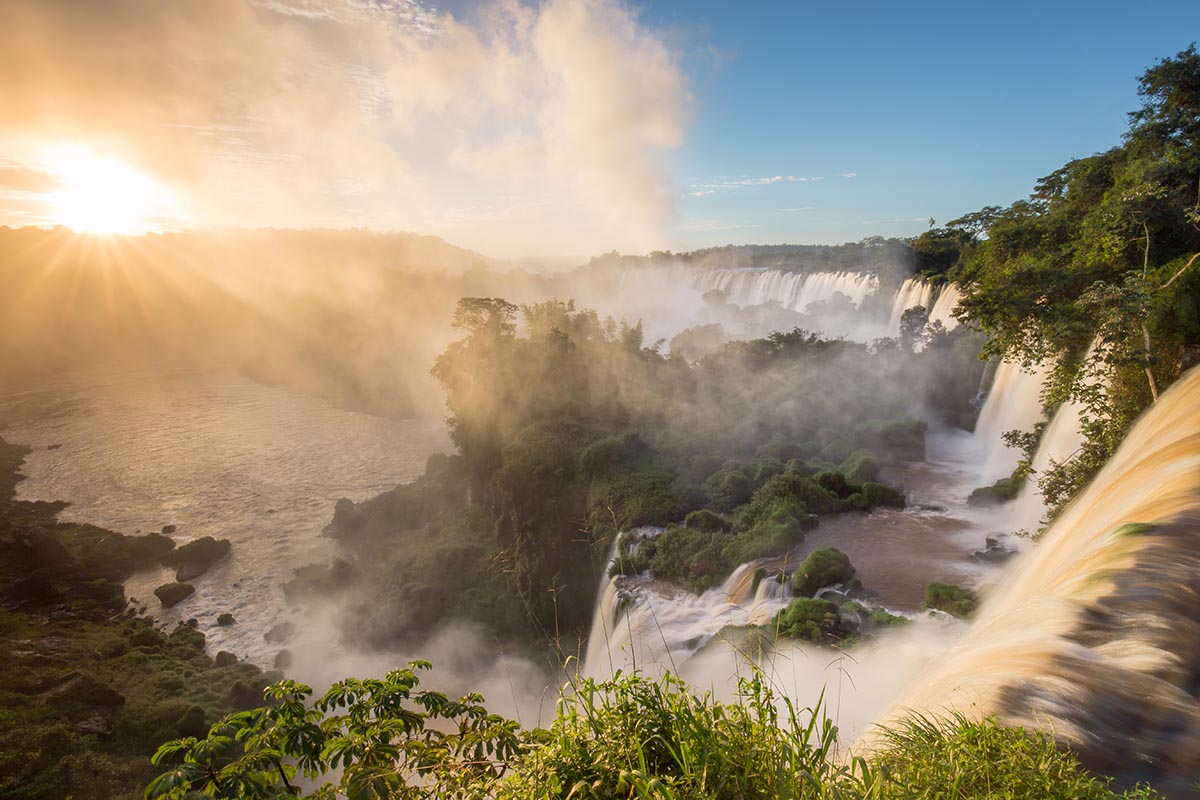
The closest airport is in Posadas, which is well served by domestic flights from Buenos Aires. Alternatively, you can travel overland from Iguazú, taking in the Jesuit ruins on the way.
Hotels and lodges are spread out across the region, and for those further away, we may suggest taking a light aircraft to avoid bad roads.
What wildlife might I see
- Capybaras: The world’s largest rodent is abundant throughout Iberá and often seen grazing beside roads, waterways and lodges.
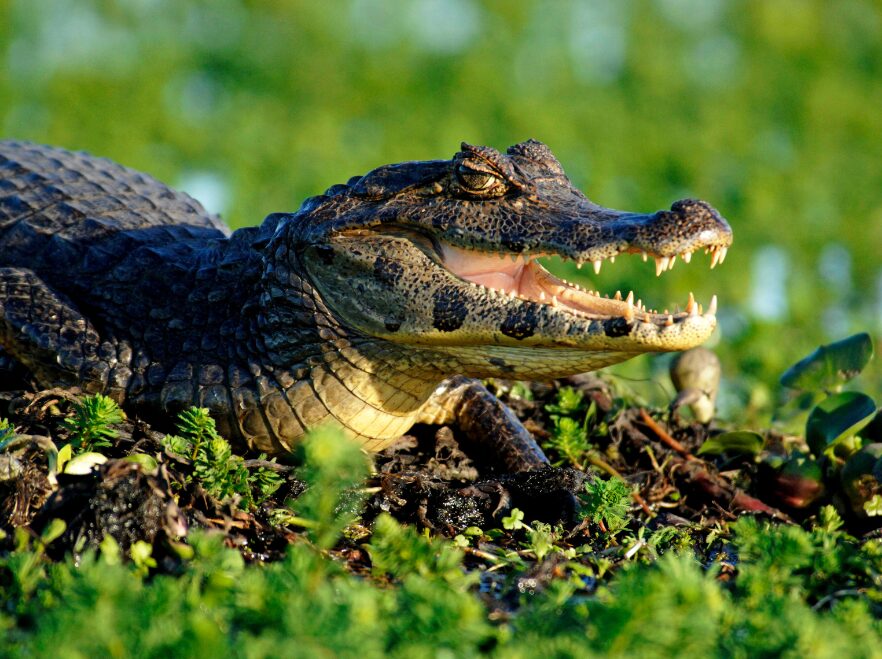
- Yacaré caiman: Both broad-snouted and black caiman thrive here, frequently basking along the shores of lagoons and channels.
- Marsh deer: South America’s largest native deer is one of Iberá’s signature species, often spotted feeding in shallow wetlands.
- Jaguars: Reintroduced through a pioneering conservation programme, jaguars once again roam parts of the reserve after decades of absence.
- Giant anteaters: These distinctive mammals have been successfully reintroduced and are increasingly encountered in the grasslands.
- Giant otters: Once extinct in the region, giant otters have returned to Iberá’s waterways and are among the reserve’s conservation successes.
- Howler monkeys: Their powerful calls often provide the soundtrack to early mornings in the wetlands.
- Maned wolves: Rare and elusive, these long-legged canids inhabit the grasslands and are occasionally seen at dawn or dusk.
- Birdlife: More than 350 species have been recorded, including jabiru storks, roseate spoonbills, southern screamers, hyacinth macaws and strange-tailed tyrants.
