

Why visit Iguazú
Straddling the border between Argentina and Brazil, Iguazú is home to one of the most extraordinary natural spectacles on Earth. Comprising more than 270 waterfalls spread across nearly 3km, the falls plunge through a vast expanse of subtropical rainforest, creating a scene of immense scale and drama. The sound alone is unforgettable: a constant roar that grows louder as you approach the edge of the cascades.
- Witness the mighty Devil’s Throat – Stand on the viewing platform above the most dramatic section of the falls, where torrents of water plunge into a vast horseshoe-shaped chasm, creating clouds of mist and an unforgettable roar.
- Explore the Upper and Lower Circuits – Follow a series of walkways that reveal the falls from different angles, from panoramic viewpoints overlooking the cascades to paths that bring you close enough to feel the spray on your skin.
- Take a thrilling boat adventure – For a completely different perspective, board a high-speed boat that navigates the rapids before heading directly beneath the falls. Expect dramatic views and a soaking along the way.
- See the falls from above on a helicopter flight – Available from the Brazilian side, a helicopter flight offers a spectacular bird’s-eye view of the waterfall system and the surrounding rainforest. The scale of Iguazú is best appreciated from the air, where hundreds of cascades can be seen weaving through the jungle.
- Discover the Atlantic Rainforest’s wildlife – Beyond the waterfalls, the surrounding rainforest is rich in biodiversity. Keep an eye out for toucans, capuchin monkeys, coatis and vibrant butterflies as you explore the trails within the national parks.
- Visit the Itaipu Dam – One of the world’s largest hydroelectric projects, the Itaipu Dam offers a fascinating contrast to the natural power of Iguazú. Guided visits provide insight into the engineering behind this vast structure and its importance to both Brazil and Paraguay.

Start to planning your tailor-made trip by contacting one of our specialists

Argentina trip ideas



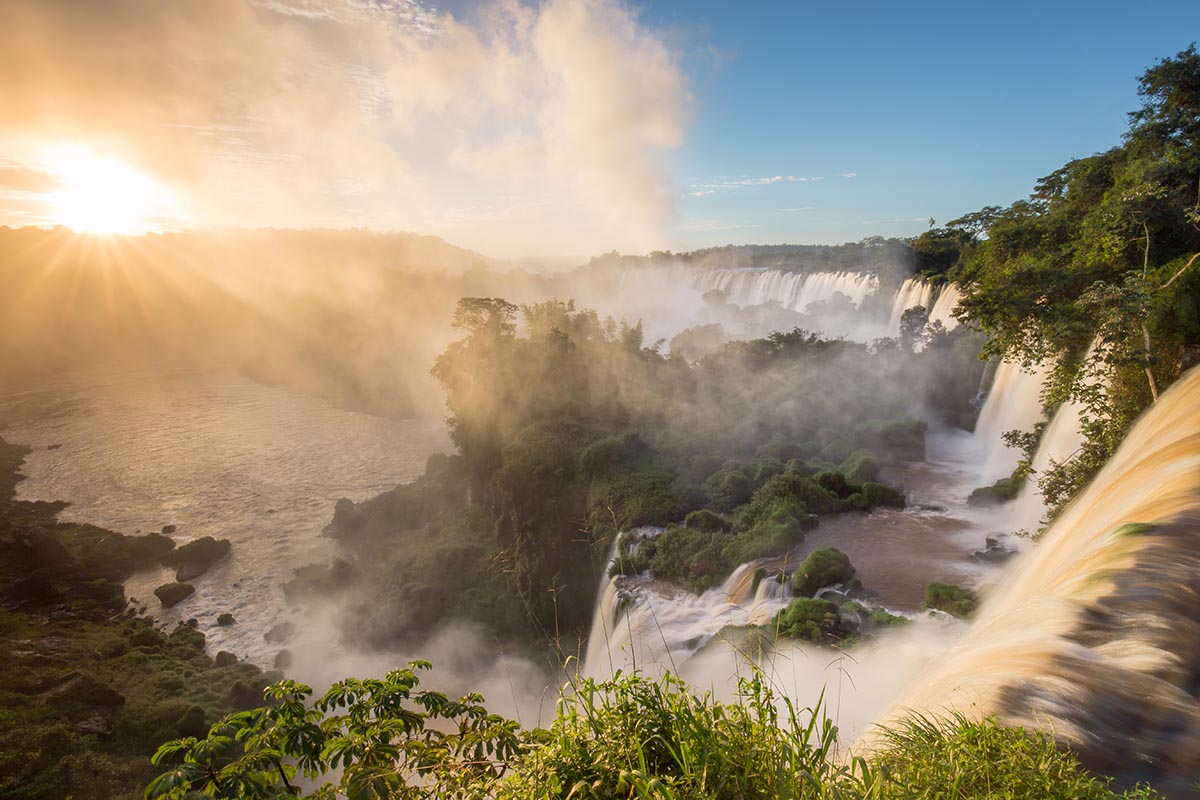


Gallery
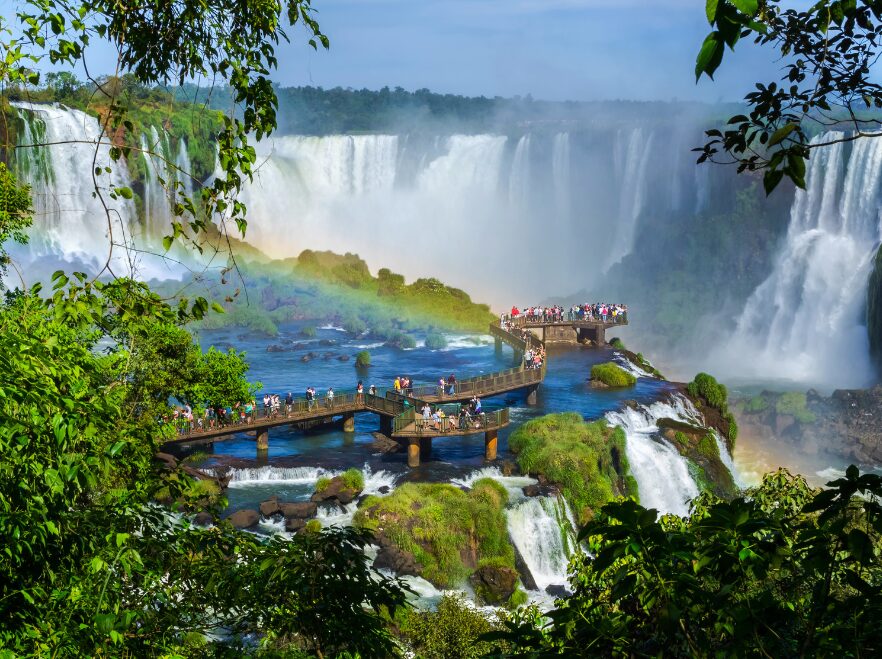
Iguazú Falls from the Brazilian side
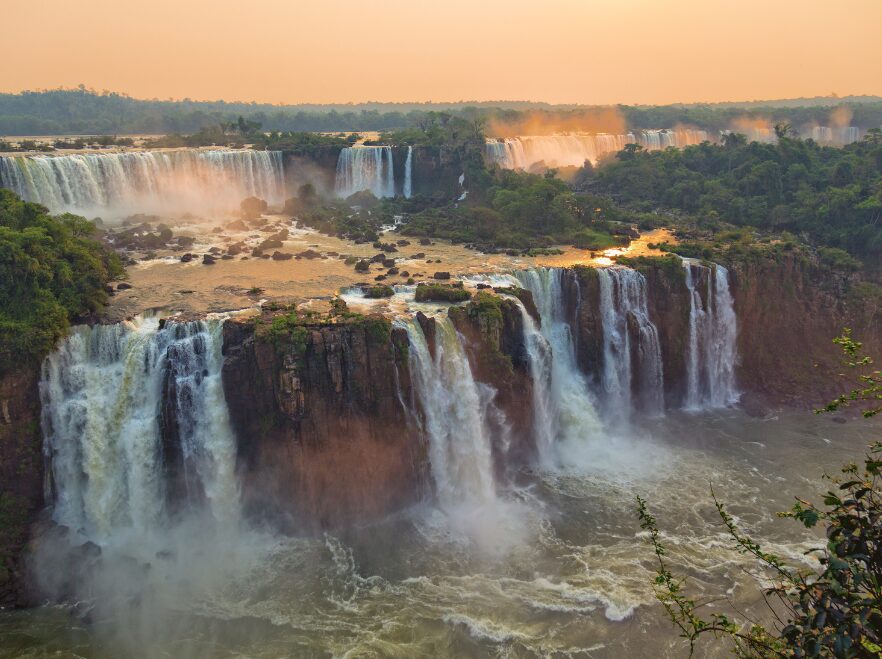
Iguazú Falls at sunset
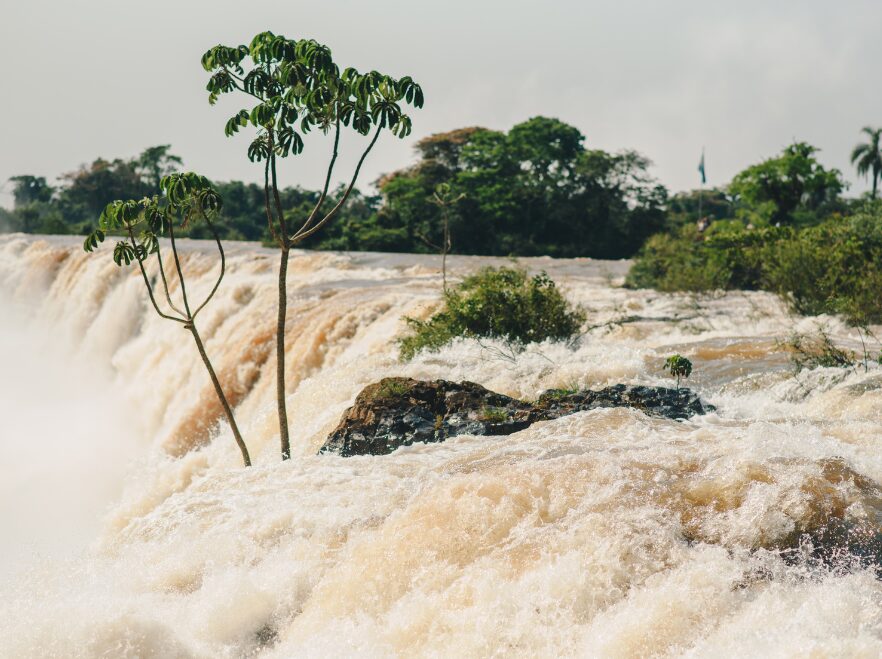
Iguazú Falls in high flood
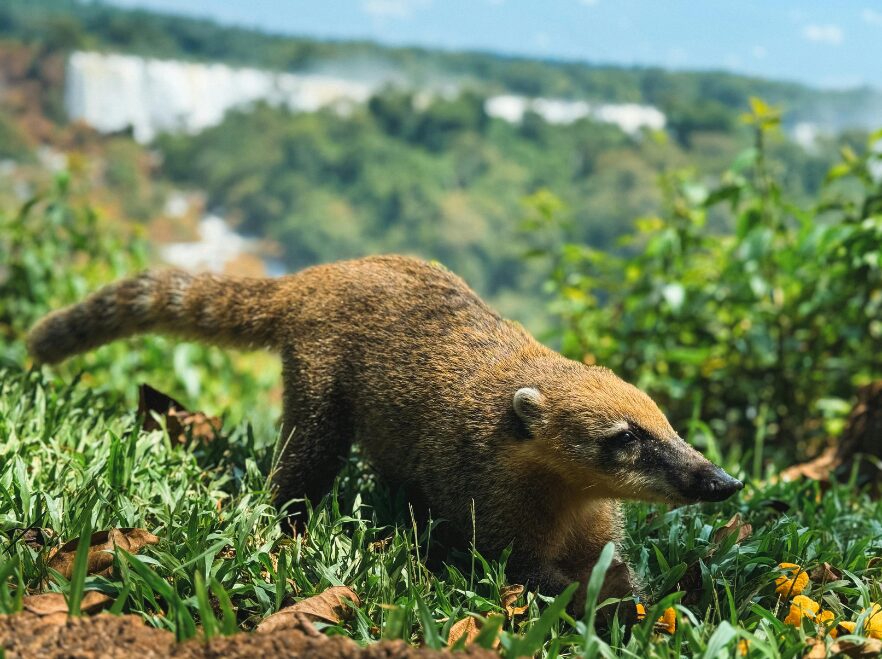
A coati near Iguazú Falls
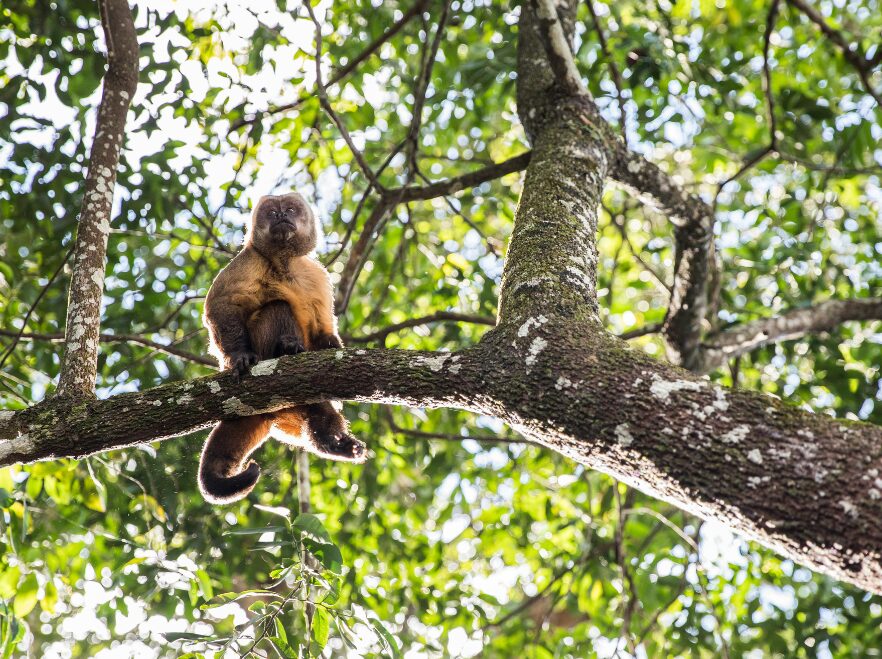
Black Capuchin Monkey at Iguazú Falls
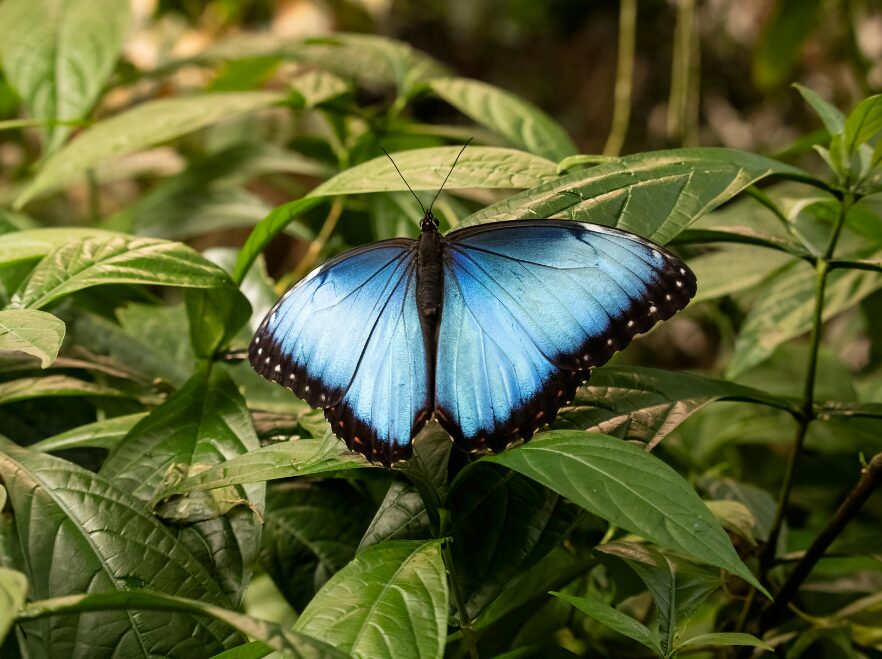
Blue morpho butterfly at Iguazú Falls
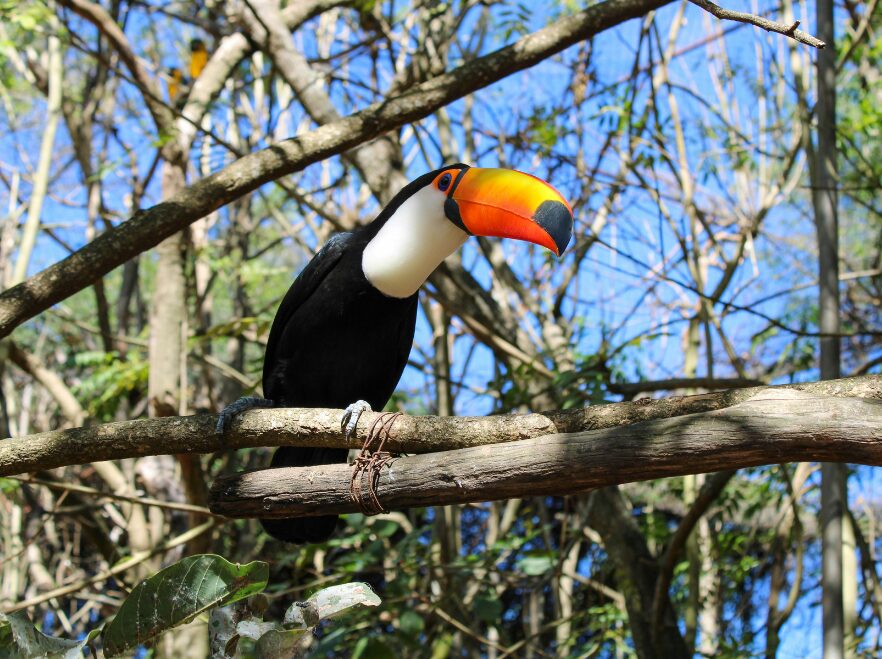
Toucan at Iguazú Falls


Our favourite places to stay in Iguazú




Plan your holiday with us today
Our team of travel specialists are ready to help you plan your next adventure. Enquiry lines are open 24/7
Good to know
Getting to Iguazú
Reaching Iguazú by air is easy from either Buenos Aires and Salta in Argentina, or Sao Paulo or Rio de Janeiro with direct flights.
What wildlife might I see
- Coatis: The most commonly seen mammals in the national parks. These curious relatives of the raccoon are often encountered along the walkways.
- Capuchin monkeys: Agile and intelligent monkeys that can occasionally be seen moving through the forest canopy.
- Howler monkeys: Easier to hear than see, their deep calls can carry for several kilometres through the forest.
- Toucans: Including the striking toco toucan, recognised by its oversized orange bill.
- Great dusky swifts: Thousands nest behind the waterfalls themselves, flying through the spray to reach their roosts.
- Butterflies: More than 800 species have been recorded in the region, often gathering in colourful groups along the trails.
- Caiman: Usually spotted in calmer stretches of the rivers away from the main falls.
- Tapirs: South America’s largest land mammal lives within the surrounding forests, although sightings are uncommon.
- Jaguar: The forest remains an important refuge for jaguars, but they are rarely seen due to their elusive nature.
- Ocelots and other wild cats: Present throughout the national parks, though generally only recorded by camera traps.
