Luxury Sri Lanka Holidays

Why book your luxury Sri Lanka holiday with us
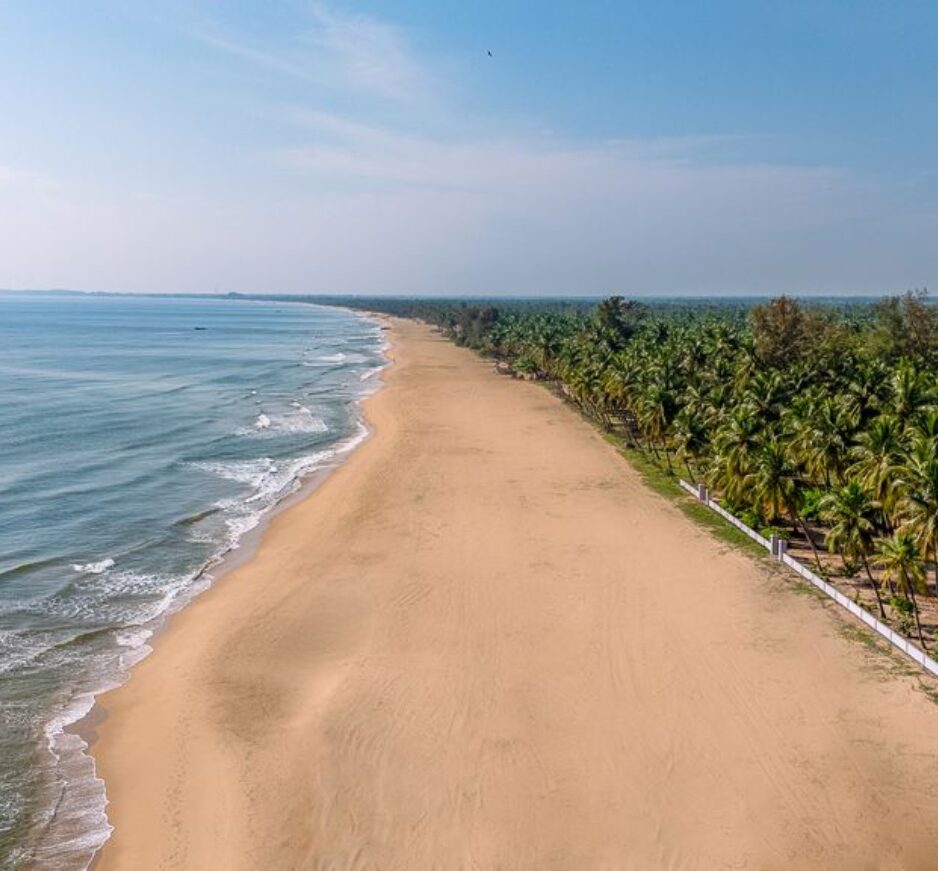
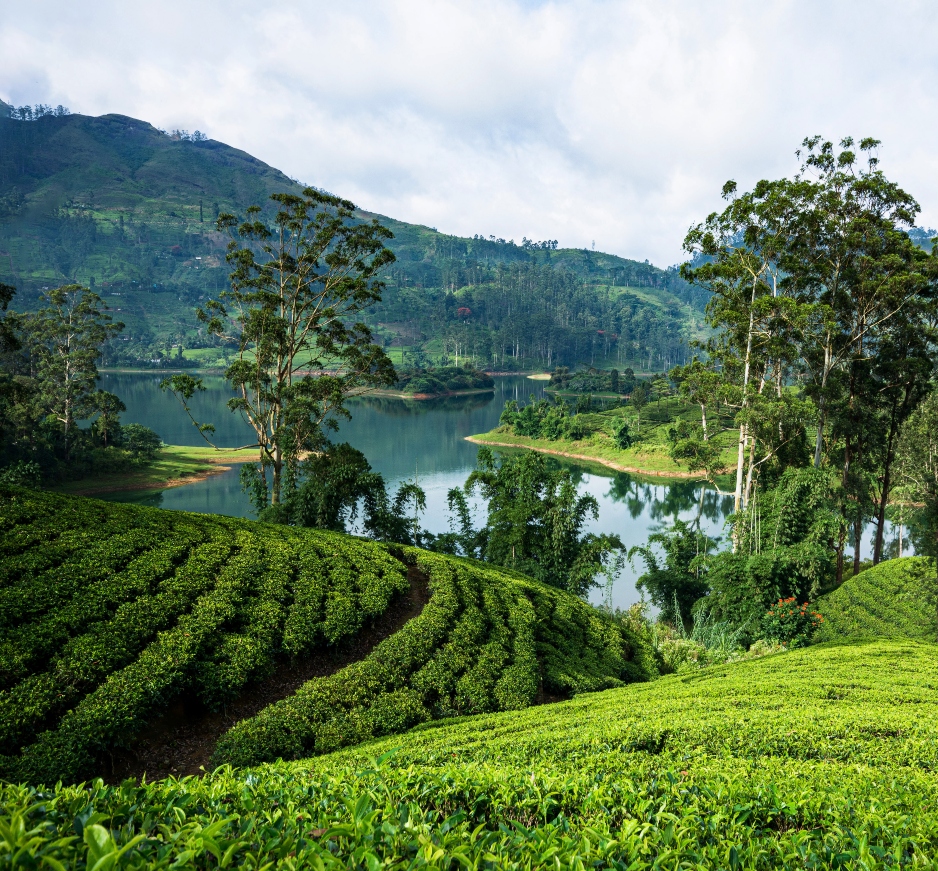
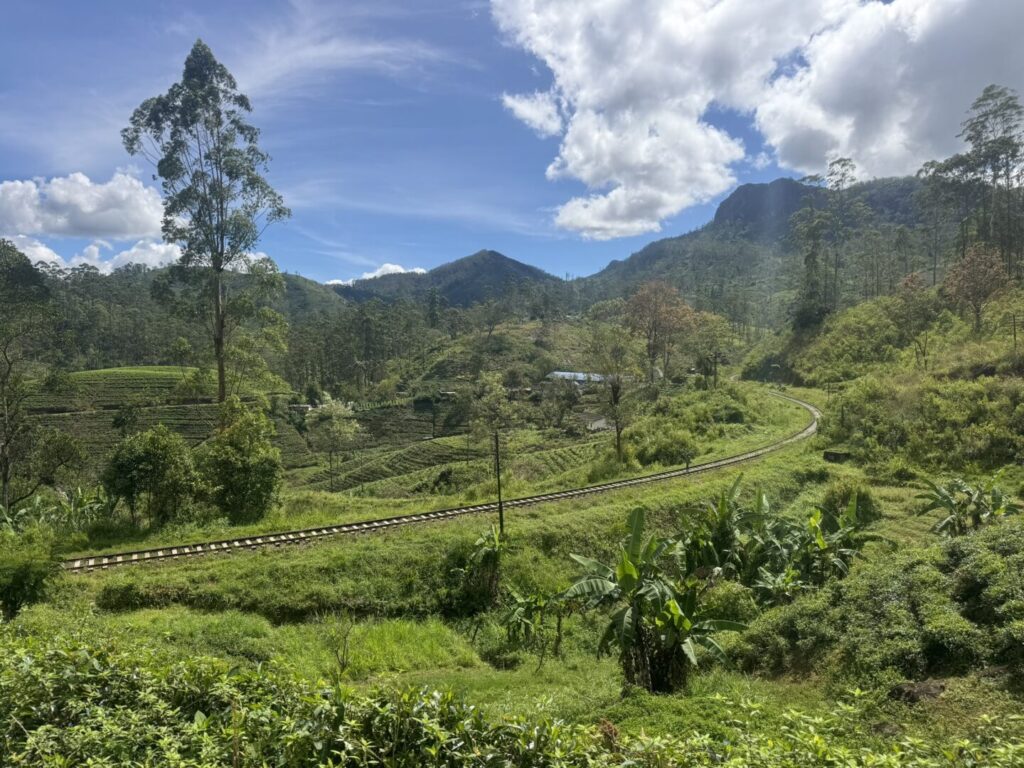
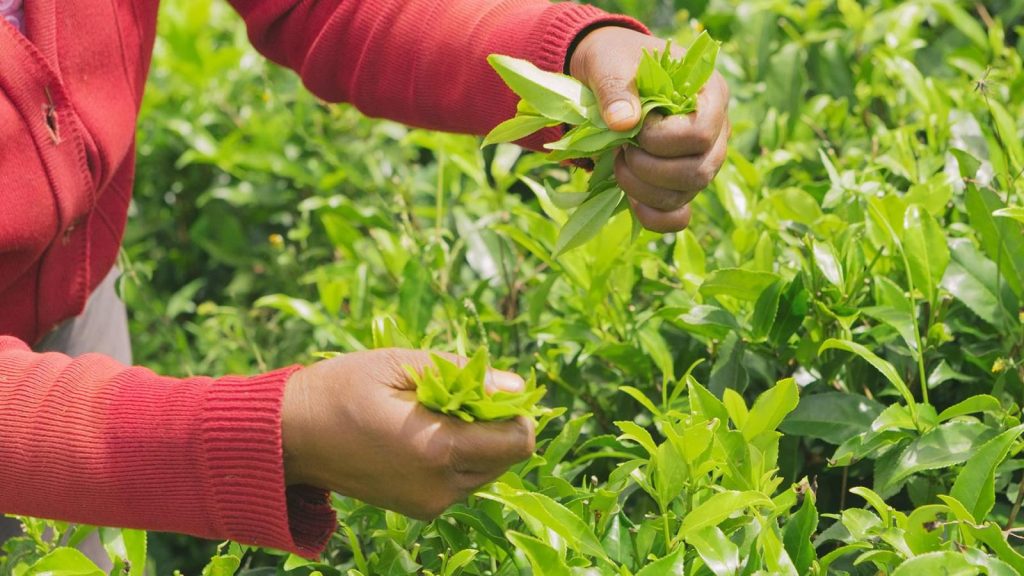
From the honey-gold beaches of the south to the emerald tea plantations and the misty, purple-blue hills, our luxury Sri Lanka holidays take you through the island’s most evocative landscapes.
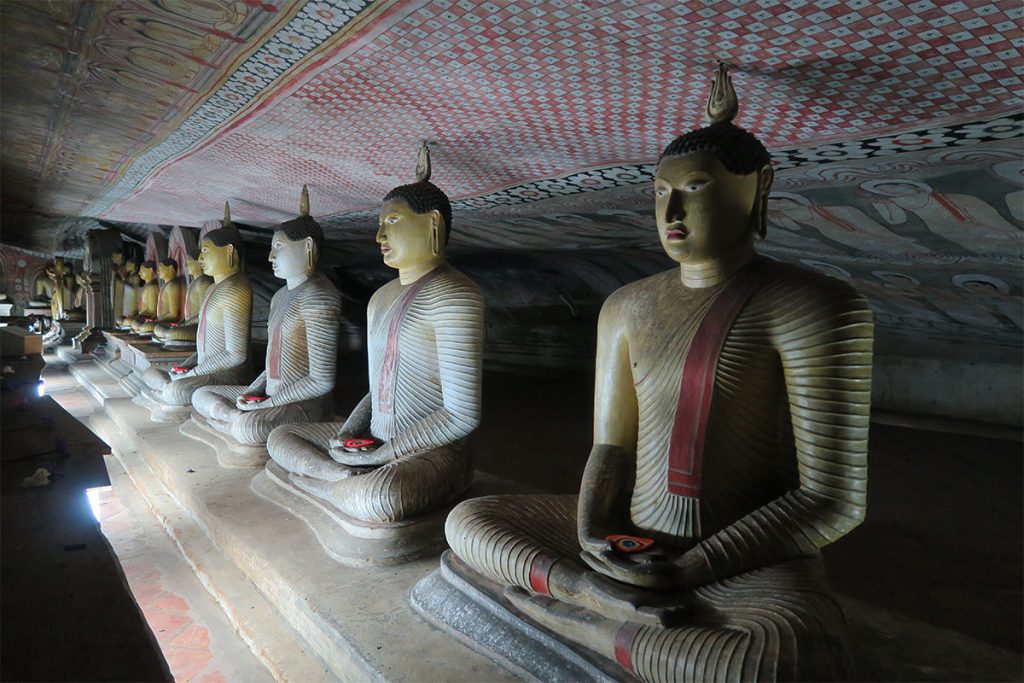
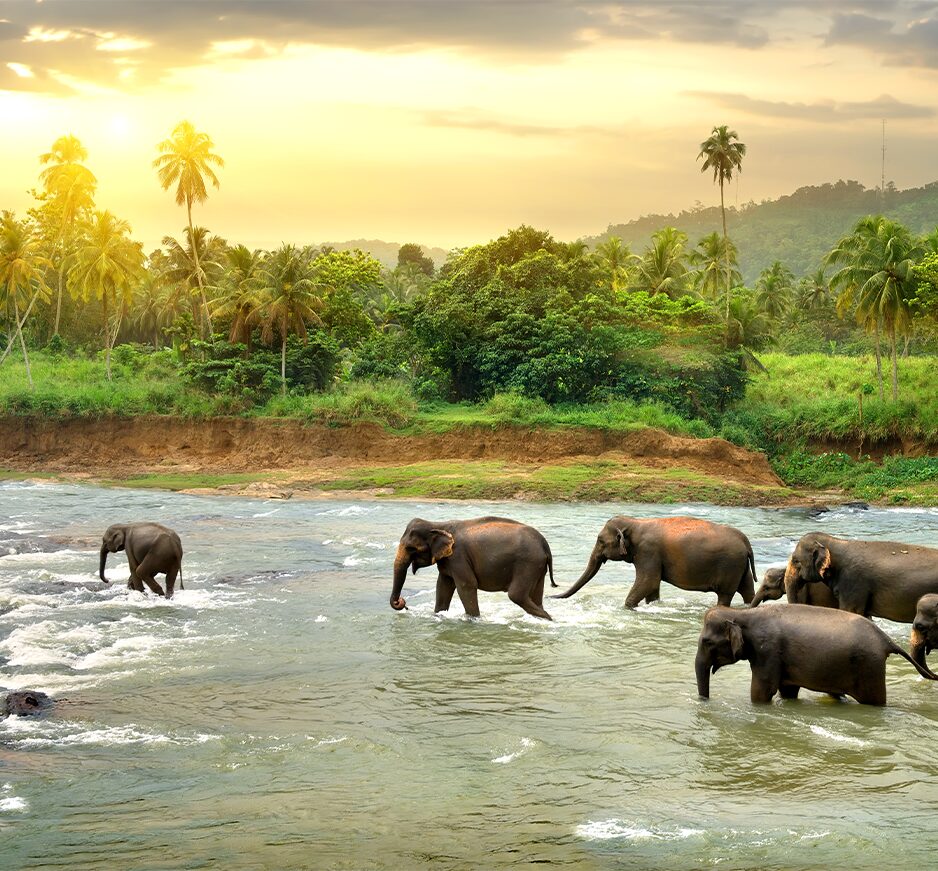
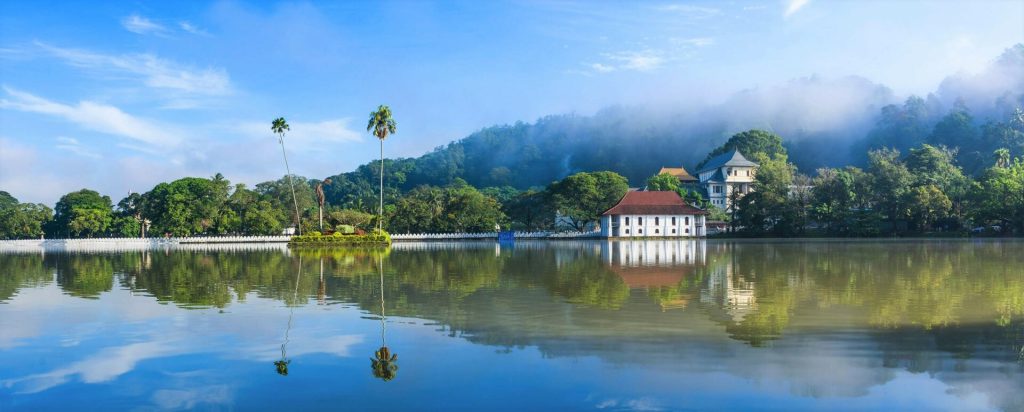
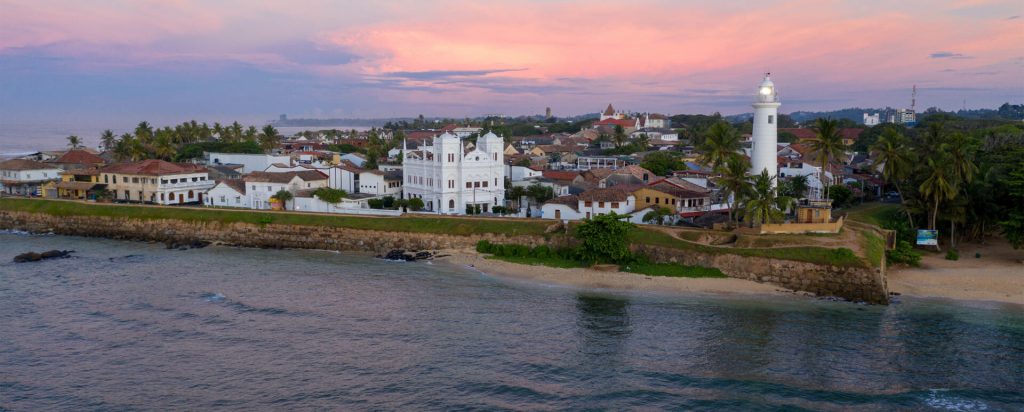
You might be tracking wildlife on safari in one of the country’s unspoilt national parks, exploring Galle’s colonial heritage or discovering Kandy’s vibrant traditions. Our Destination Experts will ensure every moment feels special, whether you’re strolling through ancient temples, discovering hidden waterfalls or relaxing in a stunning villa. Travel in private vehicles, stay in handpicked boutique hotels and savour delicious farm-to-table cuisine.
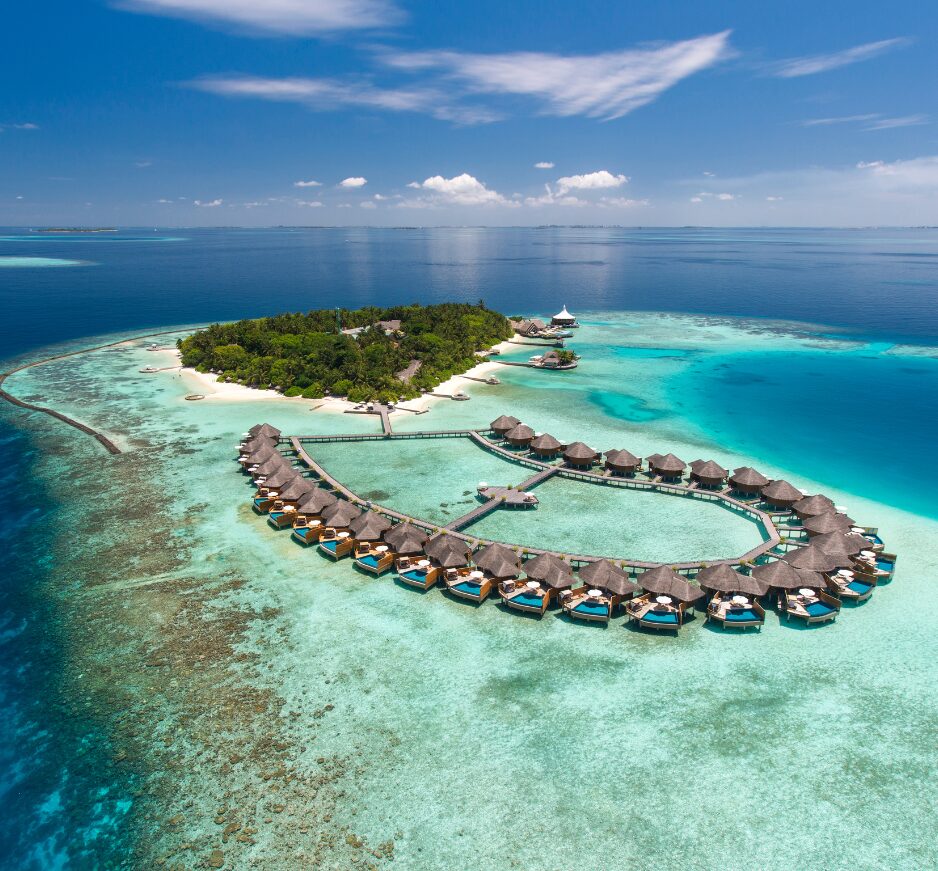
Time your journey to witness Kandyan festivals or the southern whale migration, before perhaps finishing with a few days on the coast or an escape to the Maldives. Every itinerary is designed around your interests, drawing on our knowledge and expertise.
Sri Lanka Trip ideas

Our Destination Expert’s Top Tip
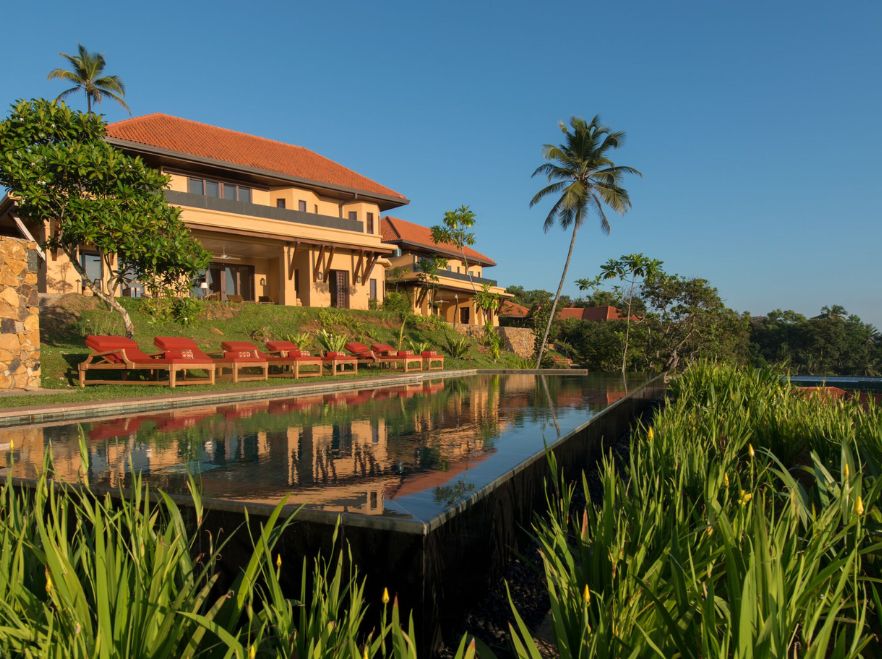
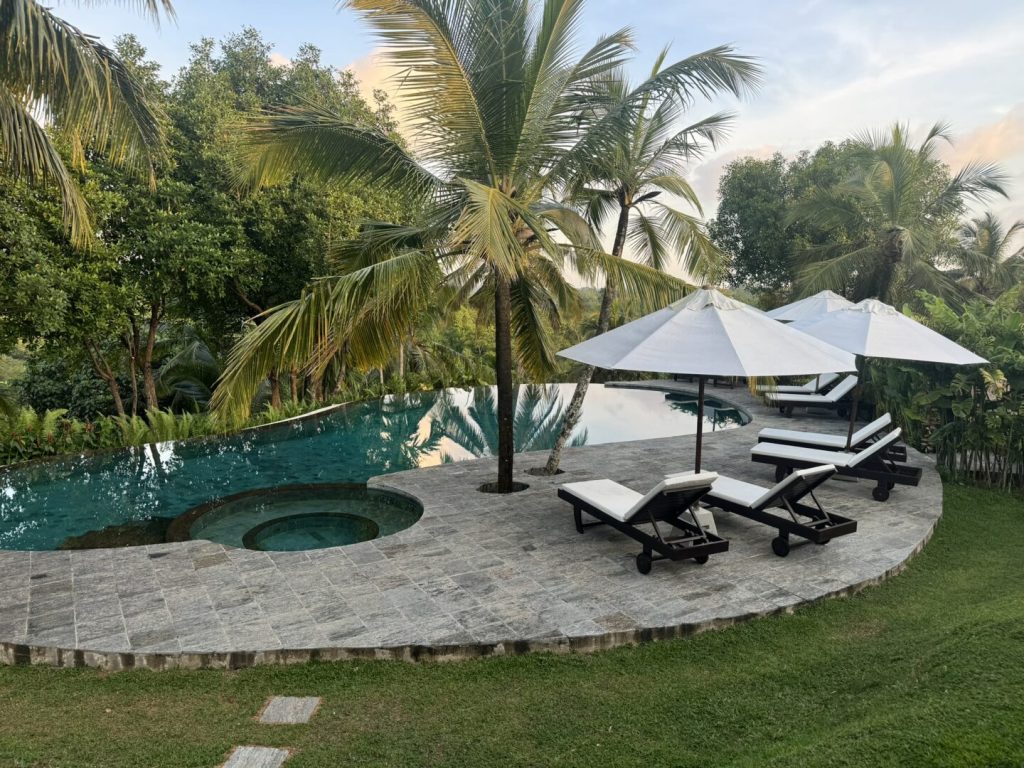
If travelling as a family, try a private villa instead of a hotel.
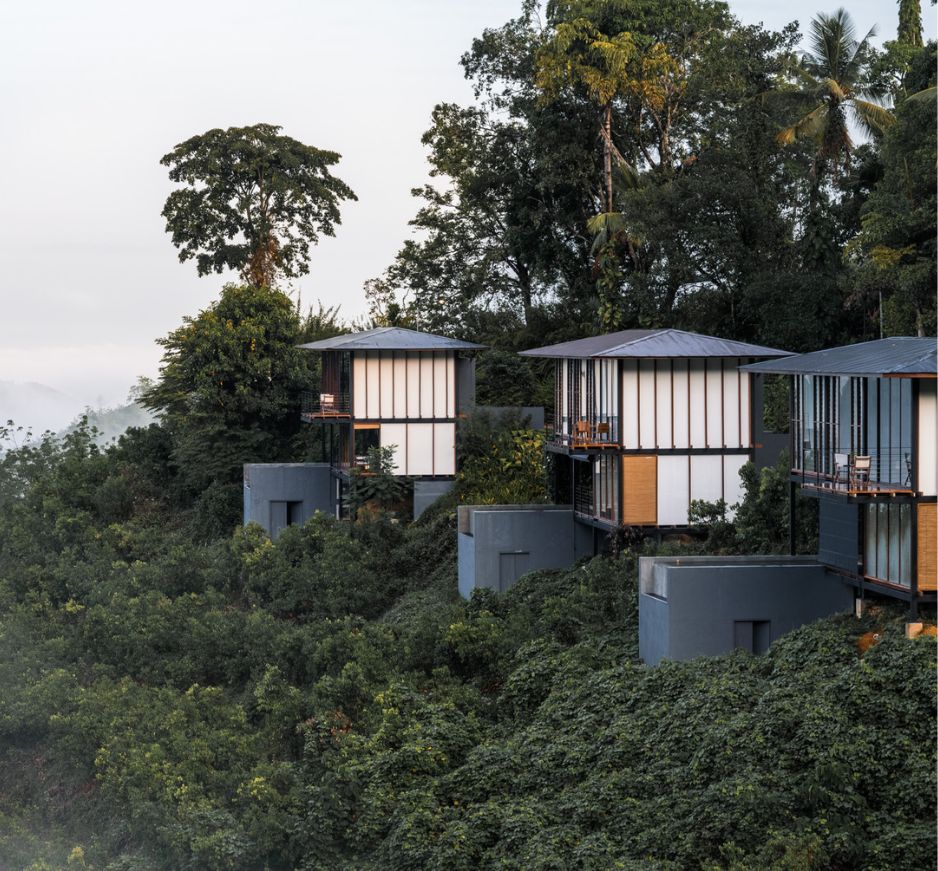
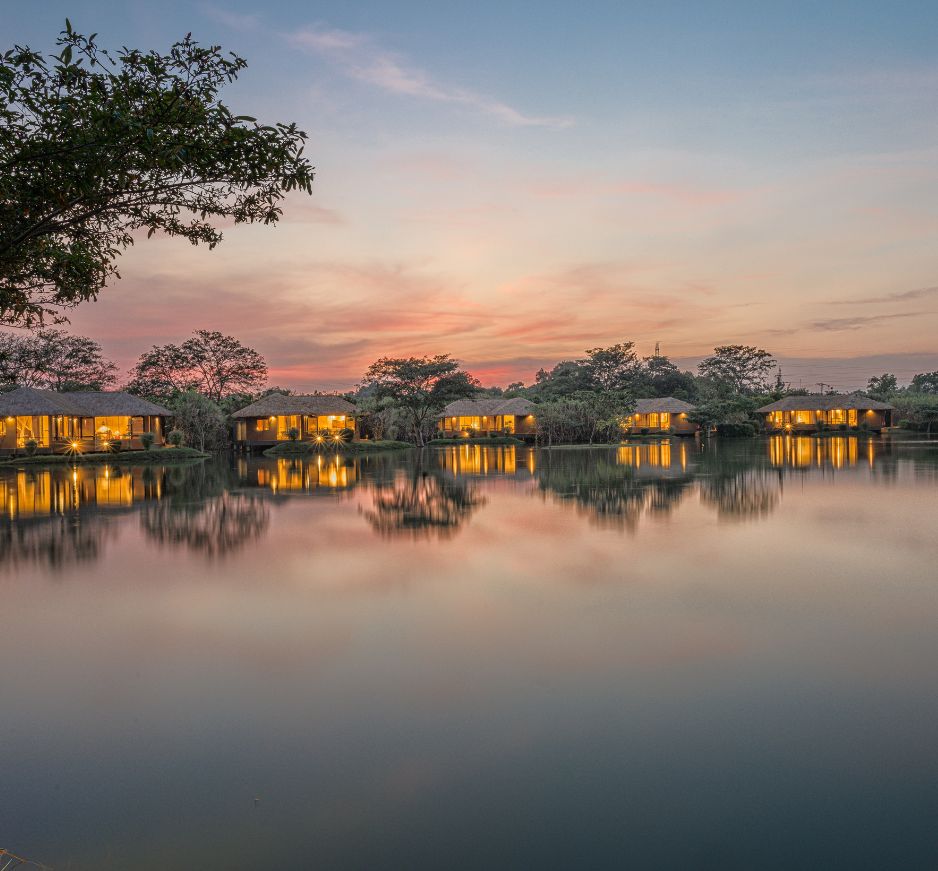
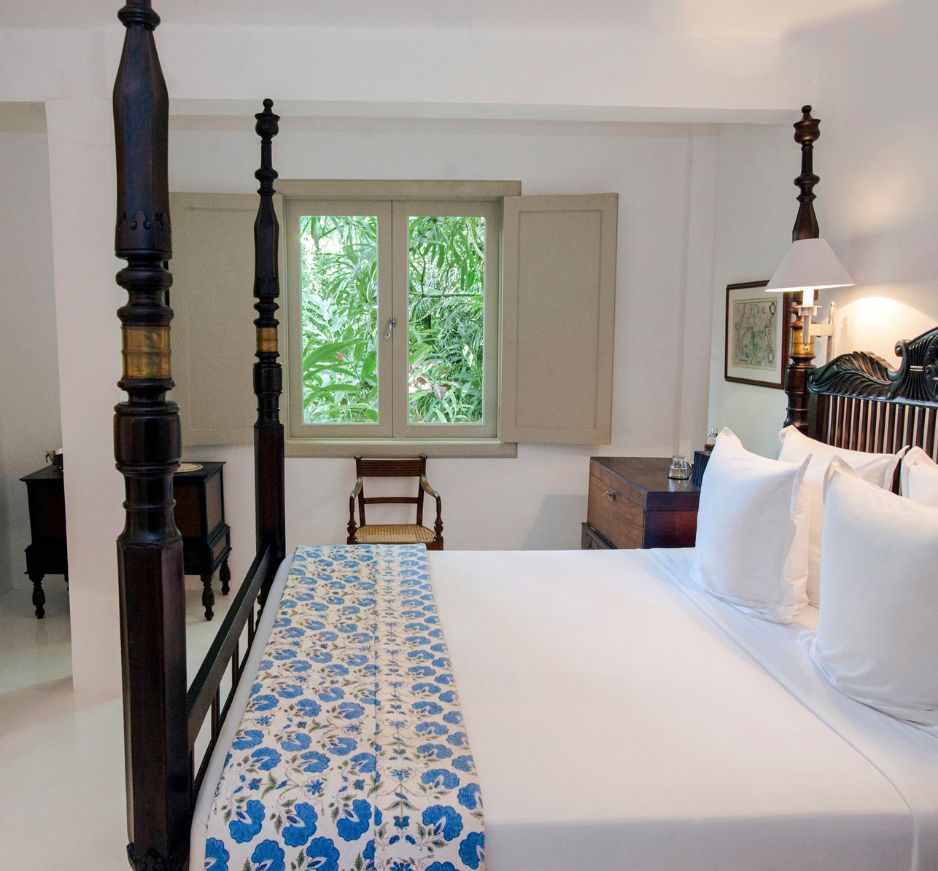
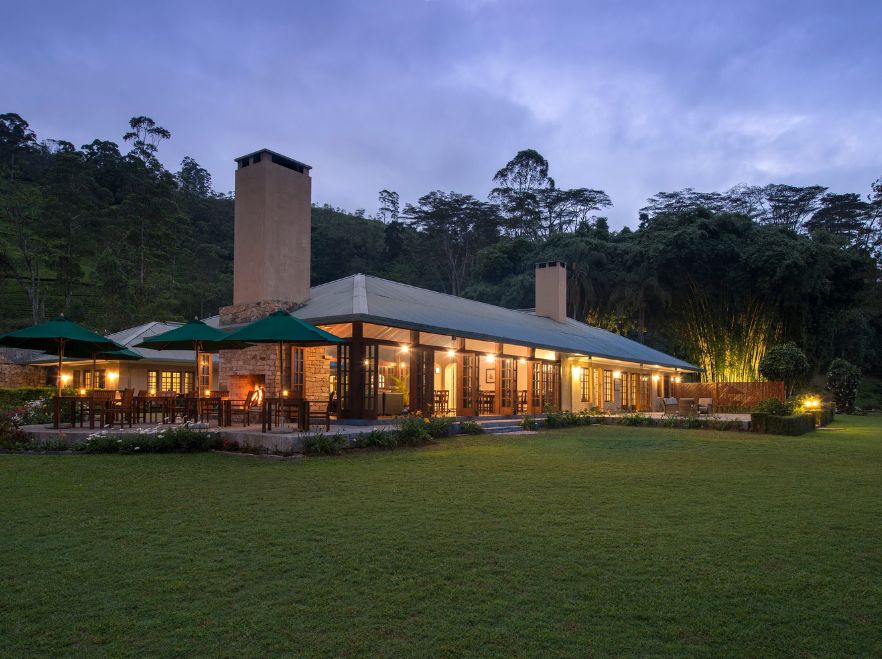
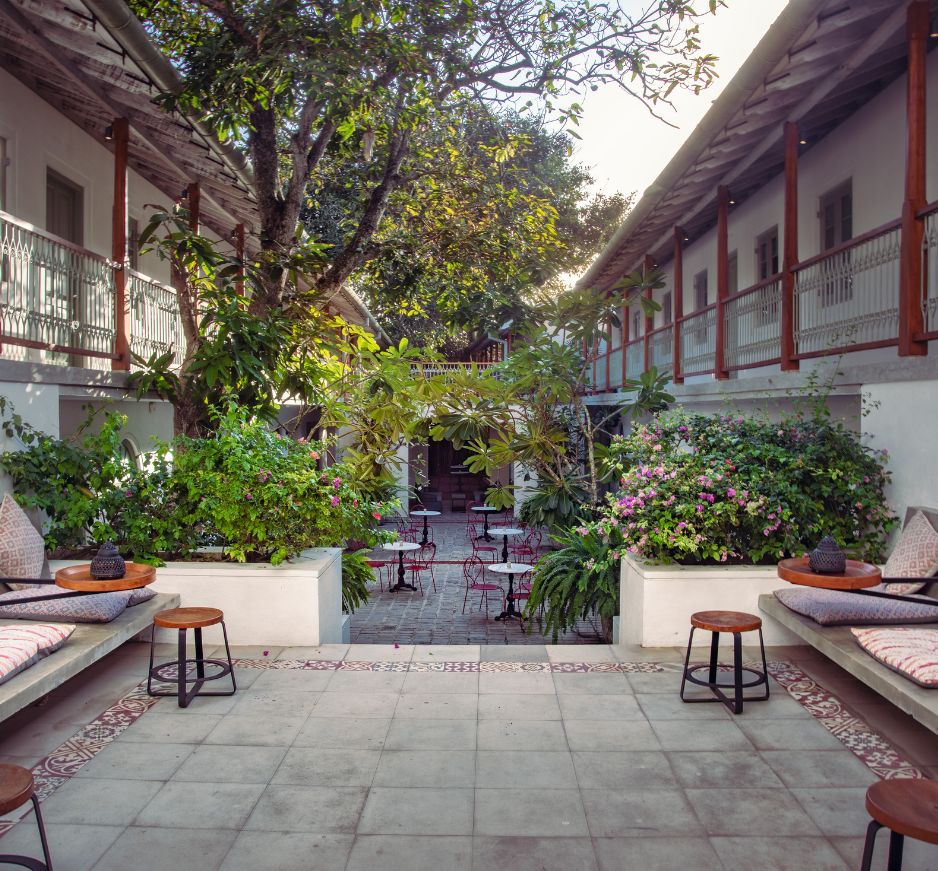
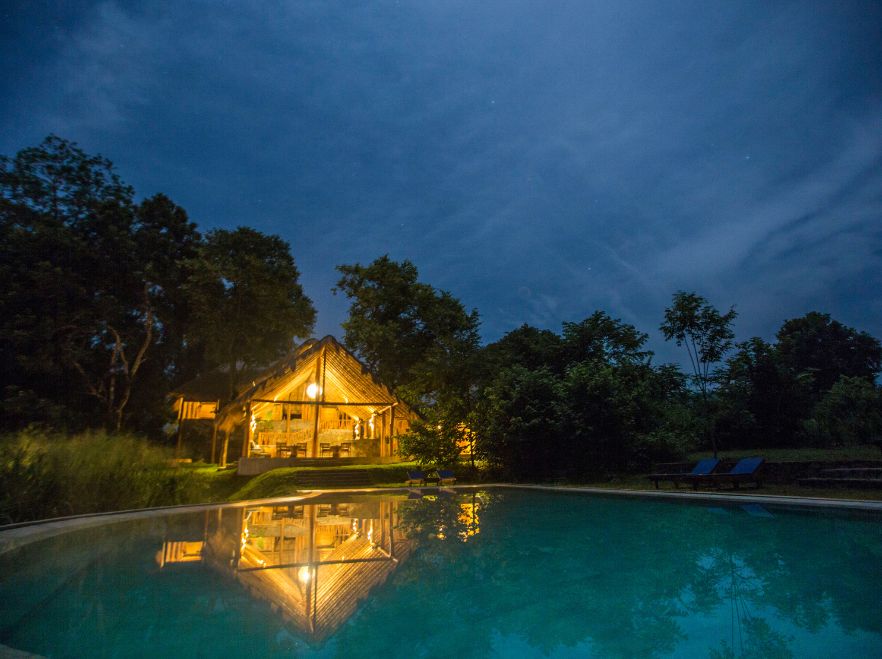
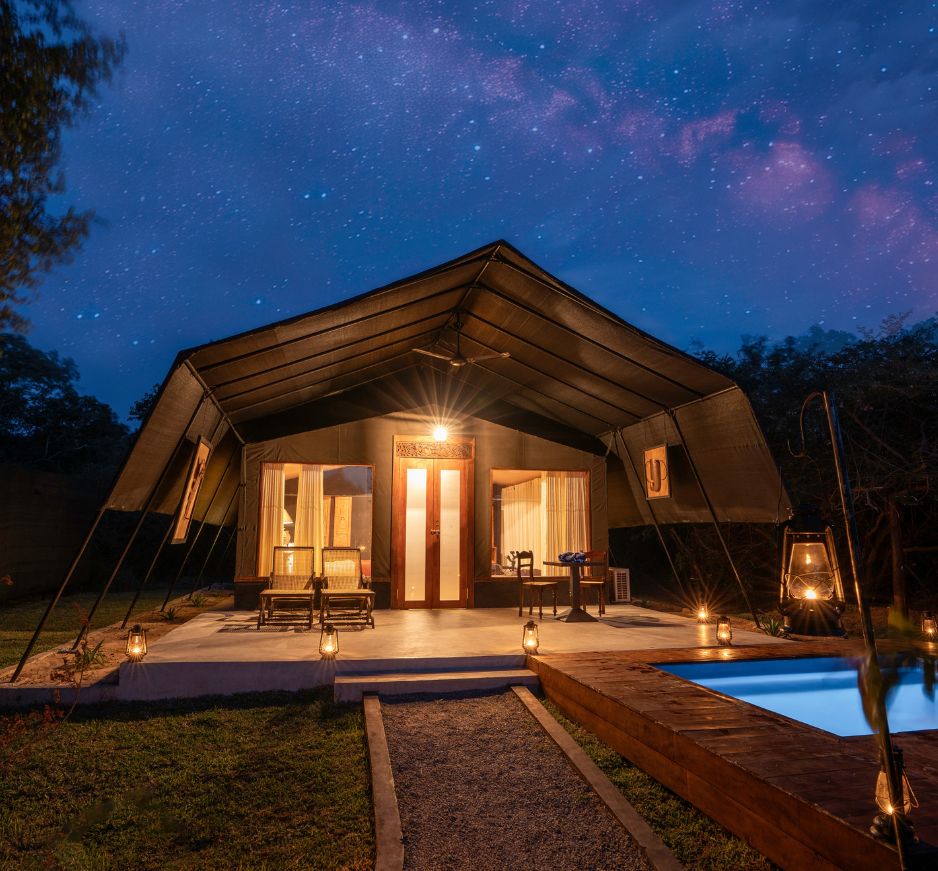
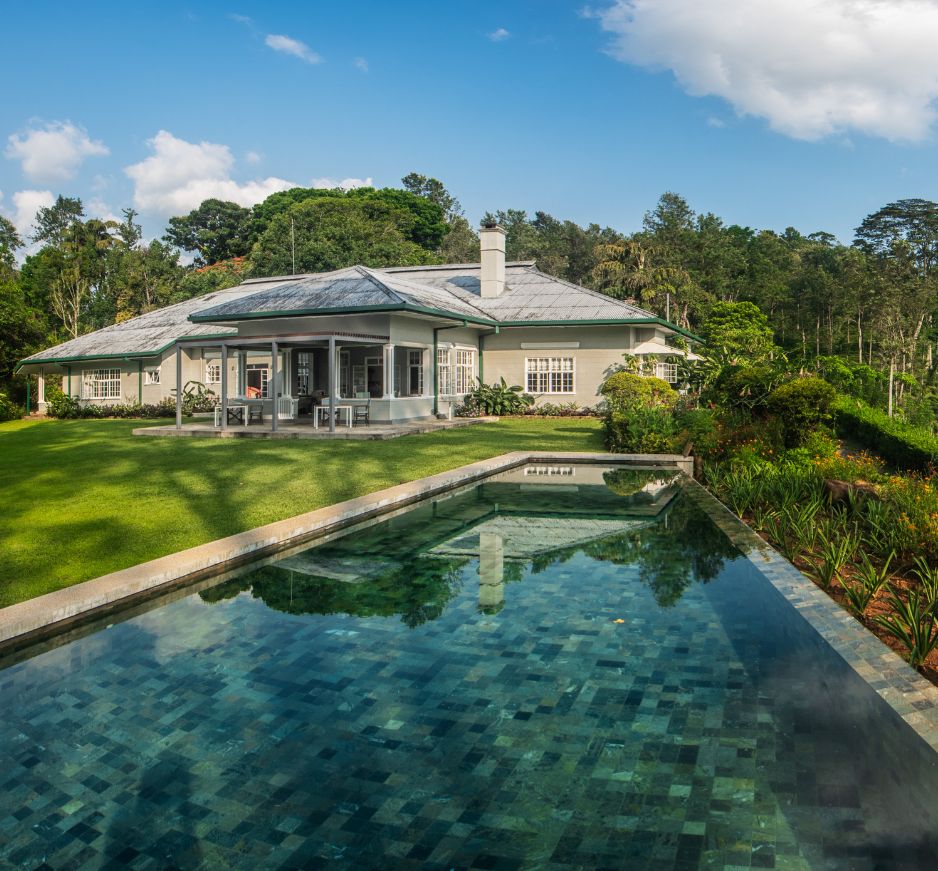
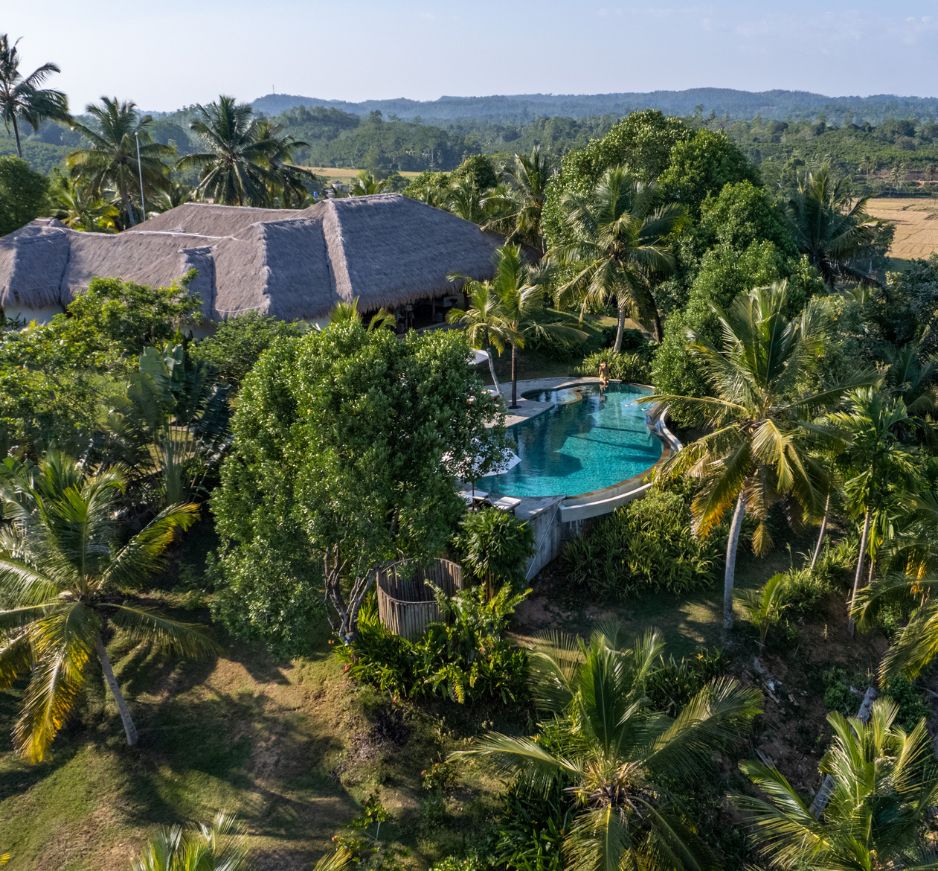
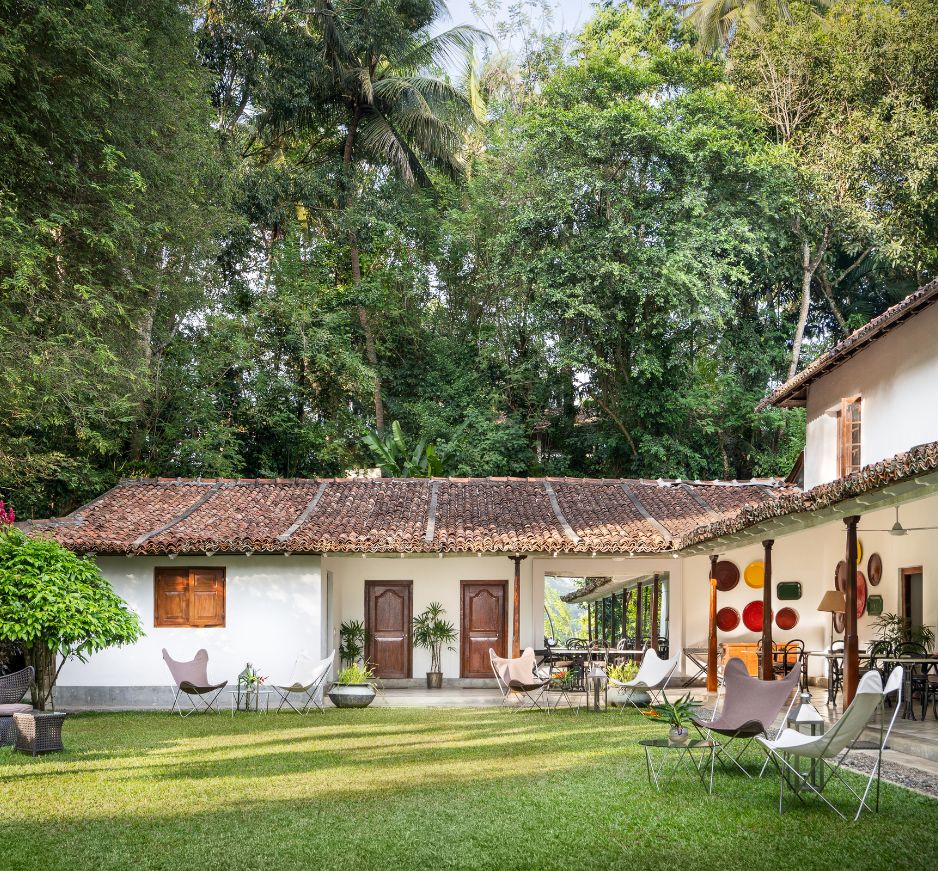
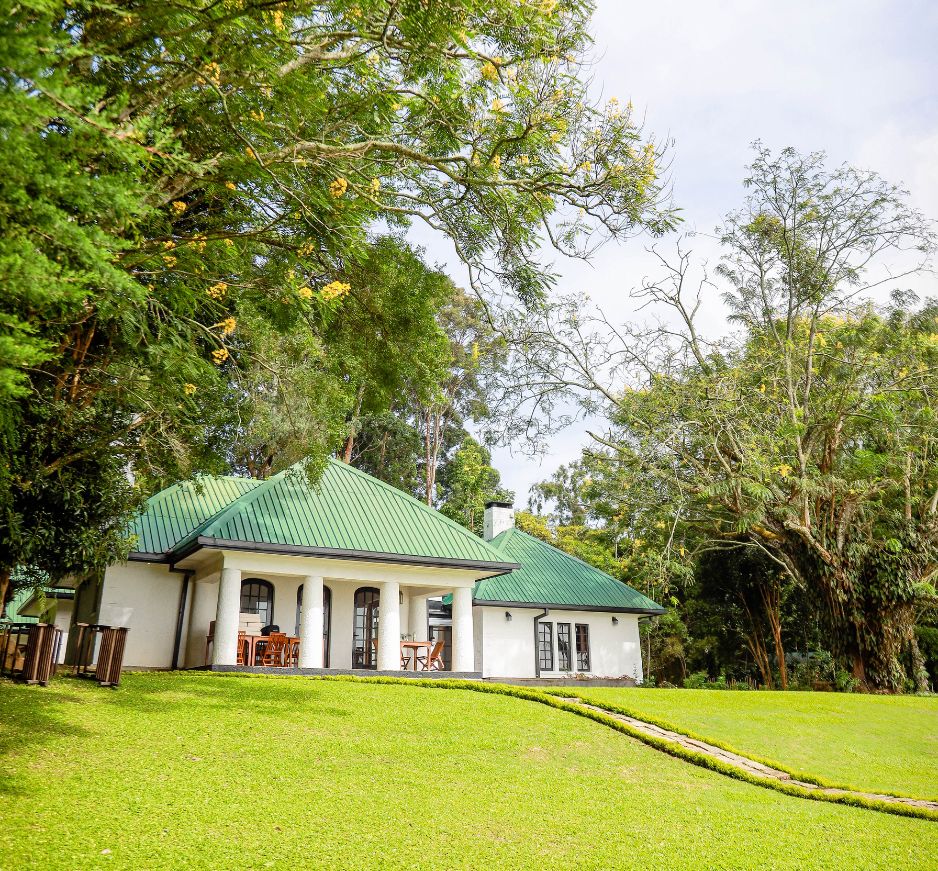
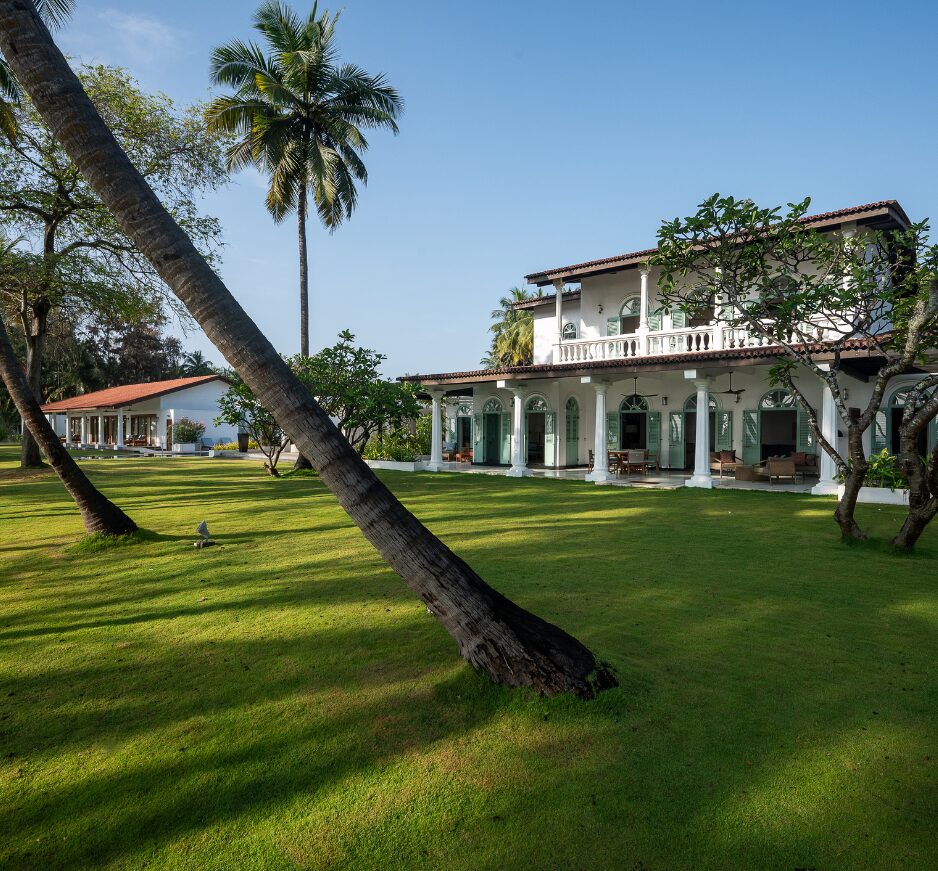
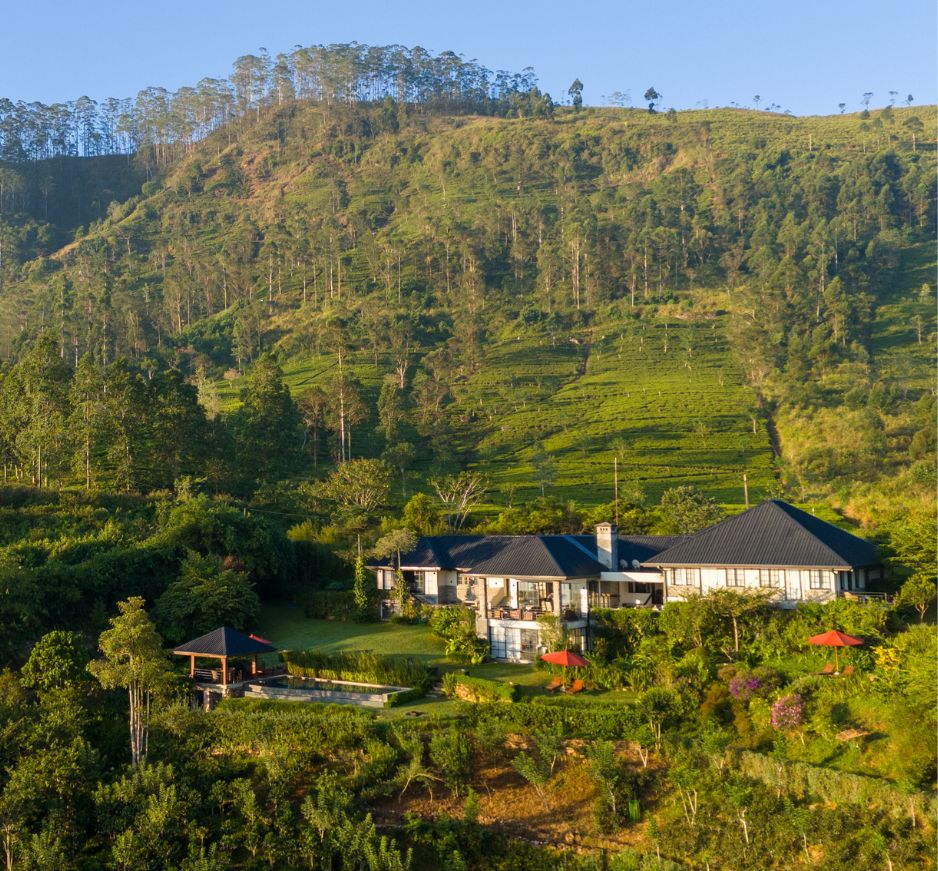
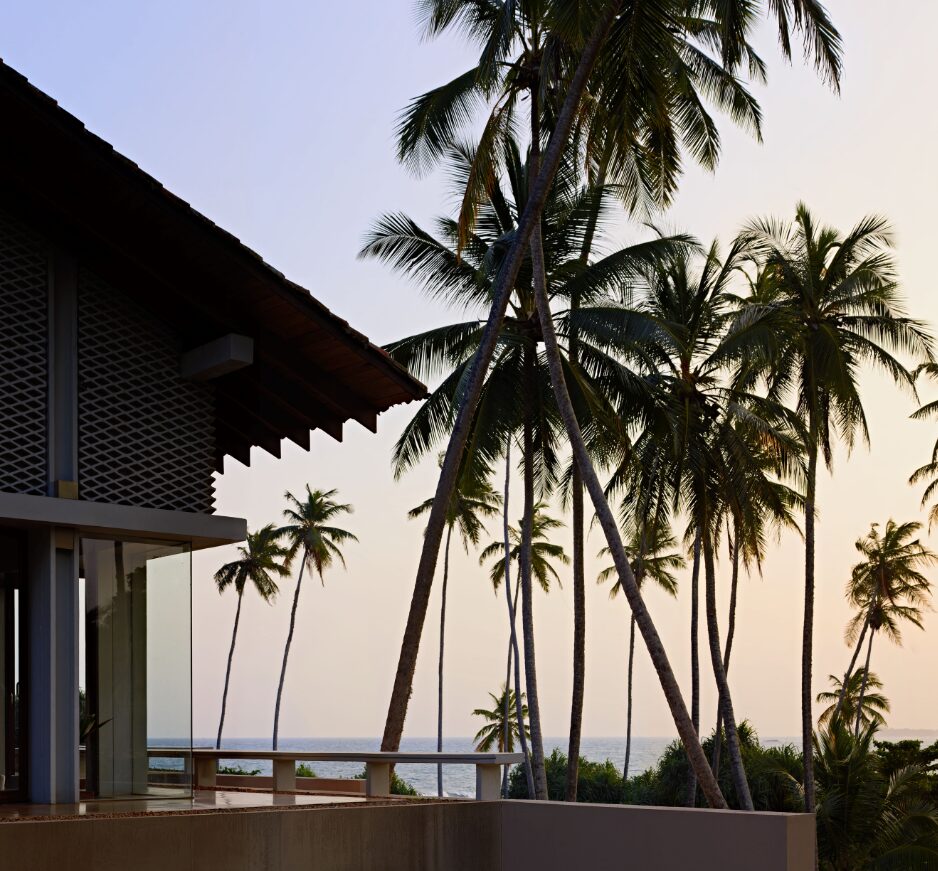
Our favourite places to stay in Sri Lanka
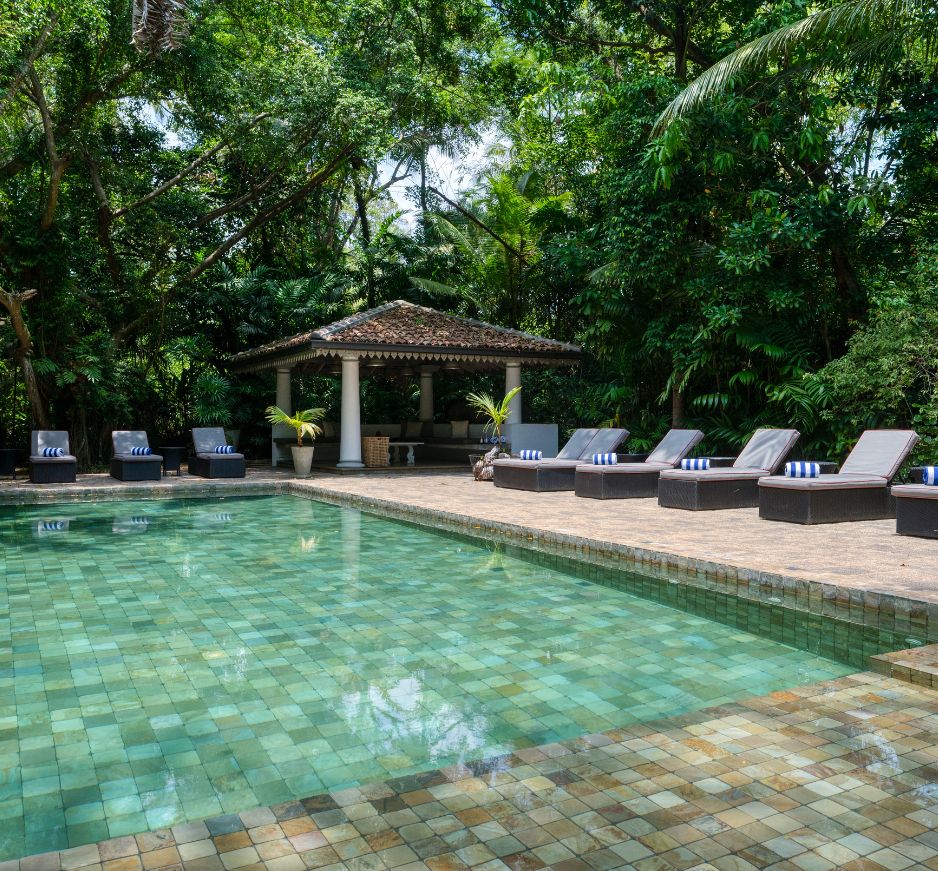
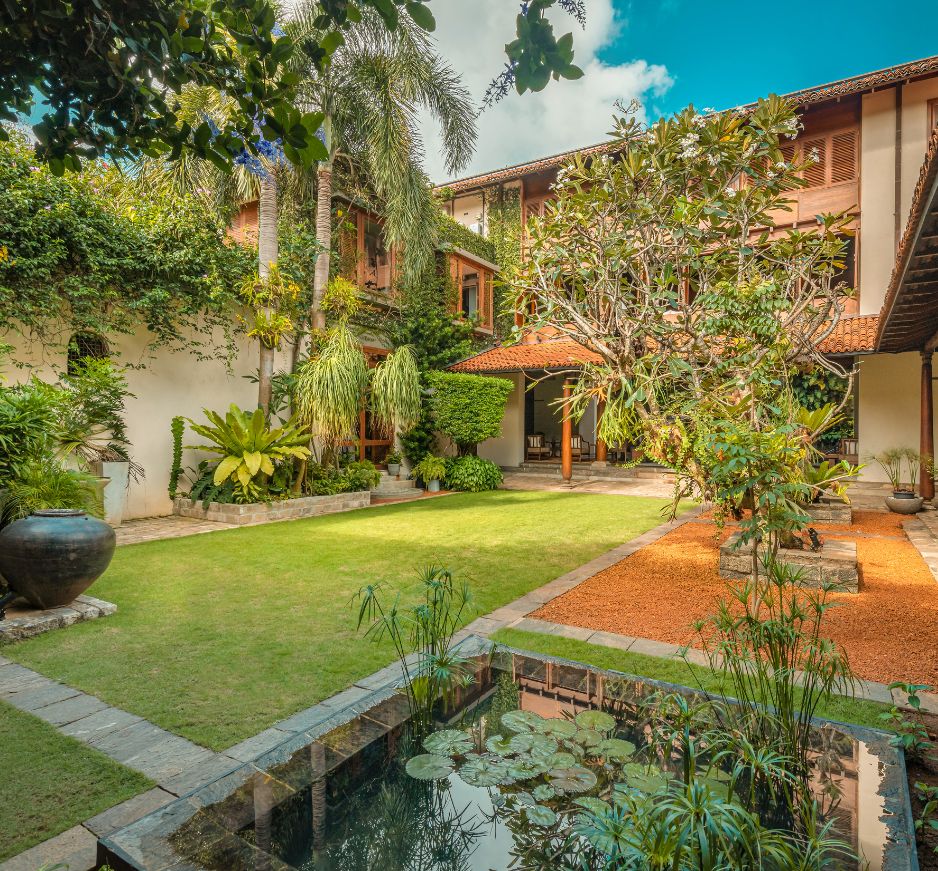
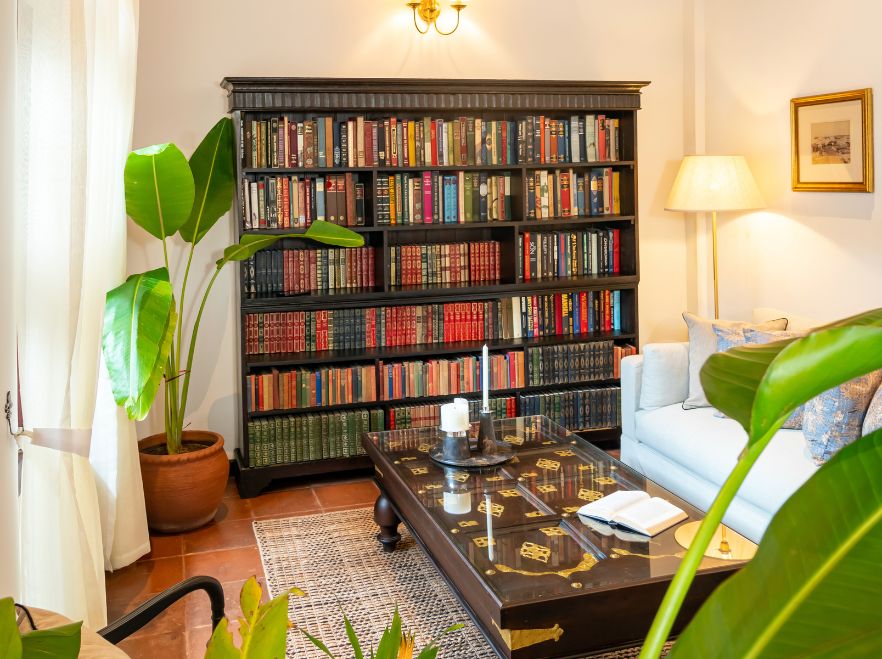
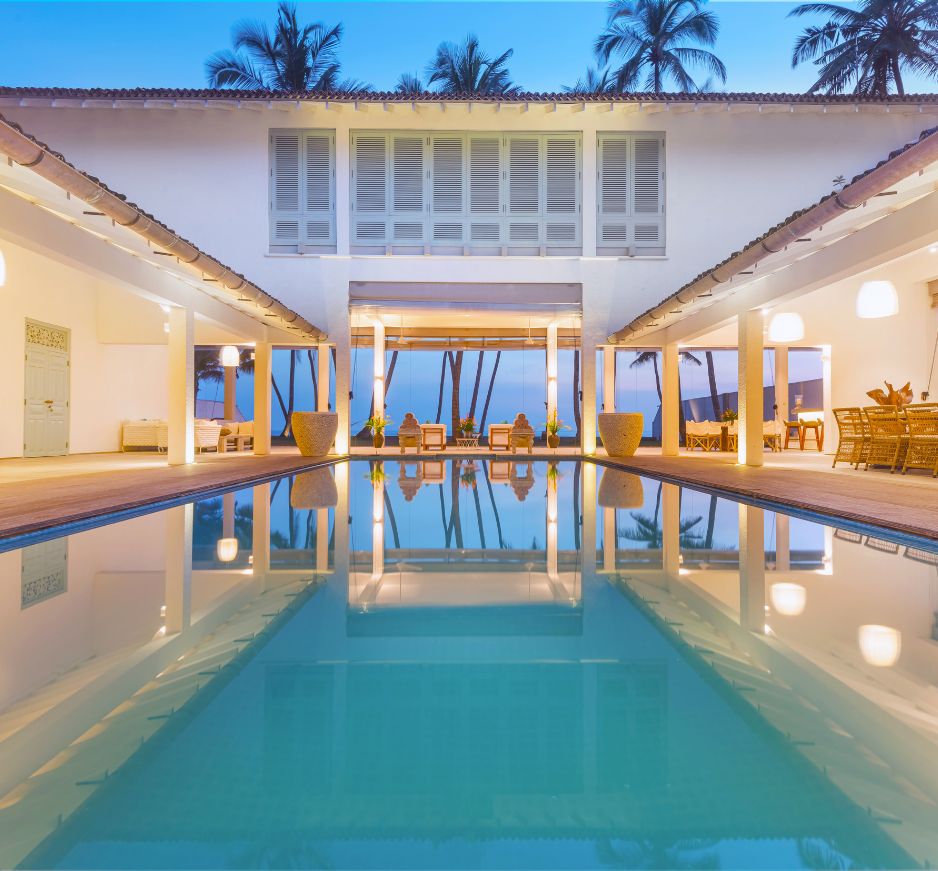
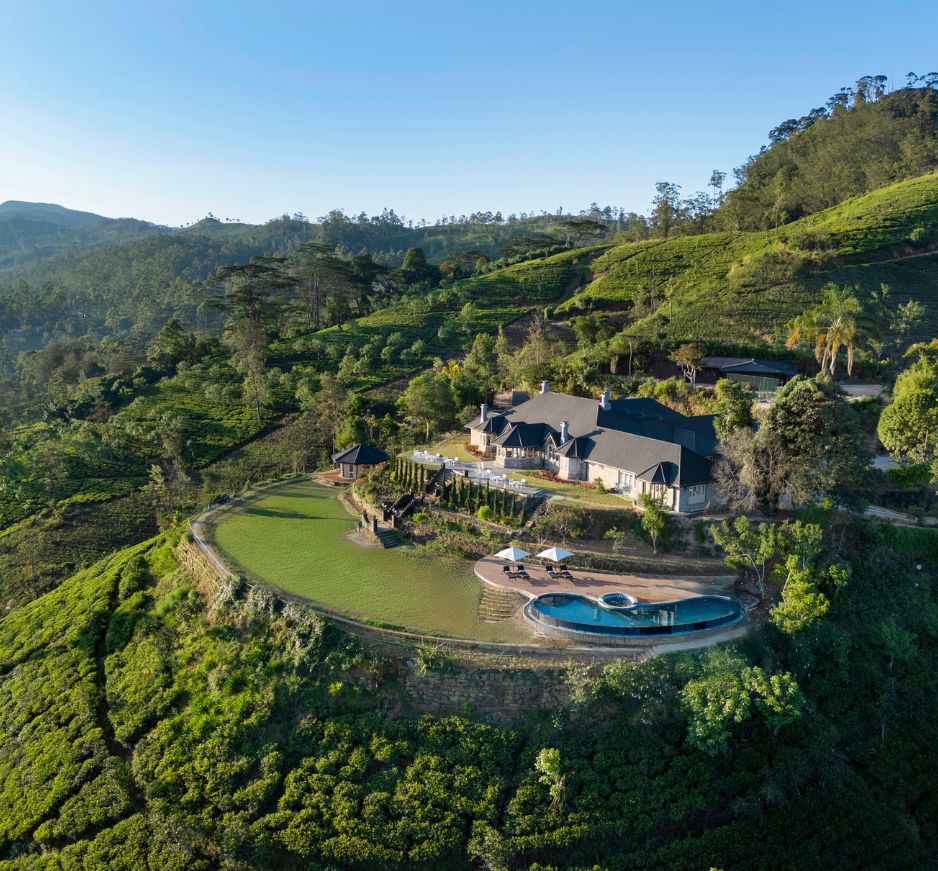
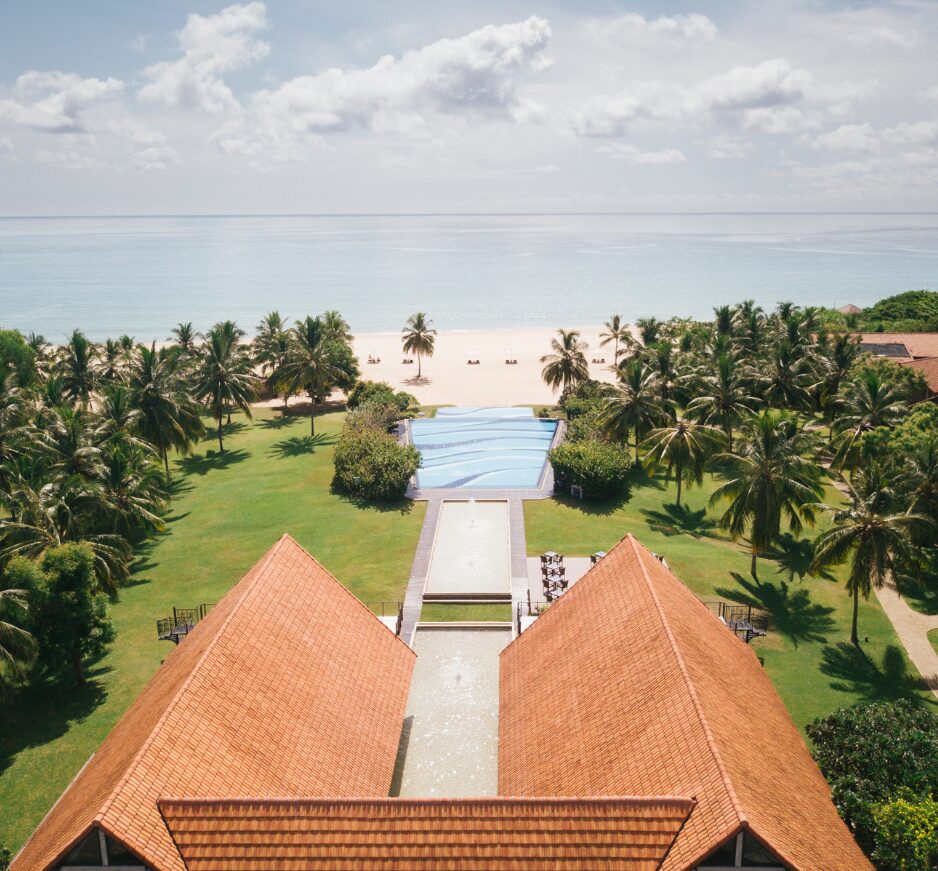
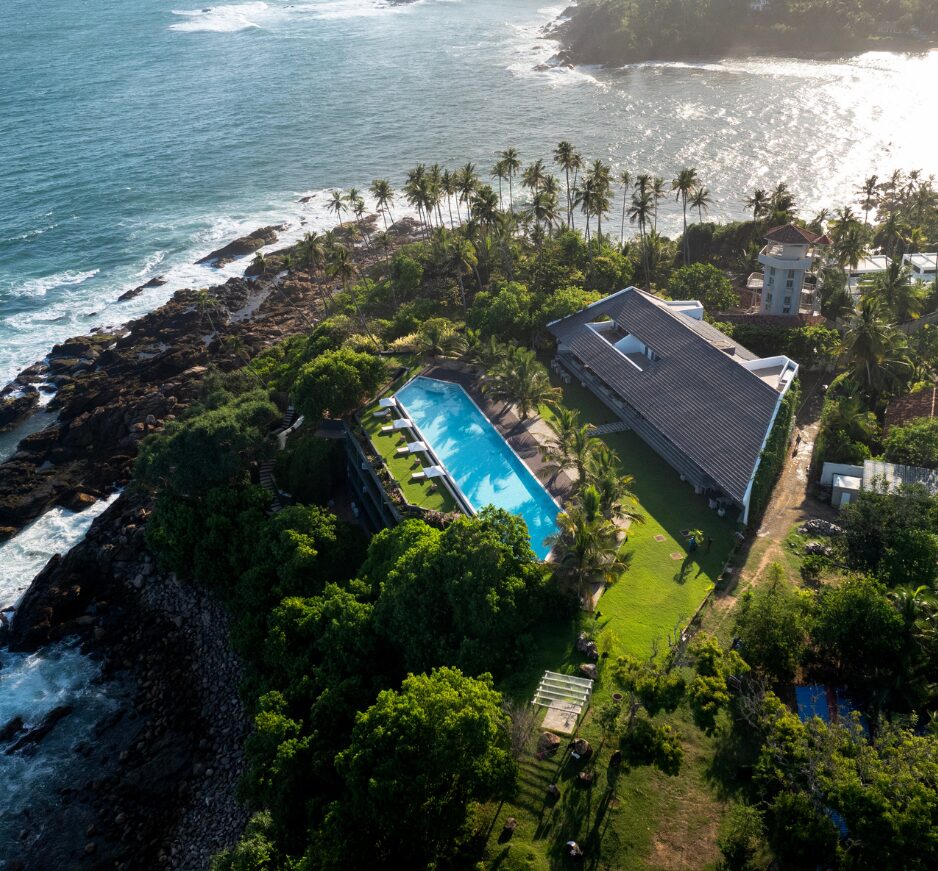
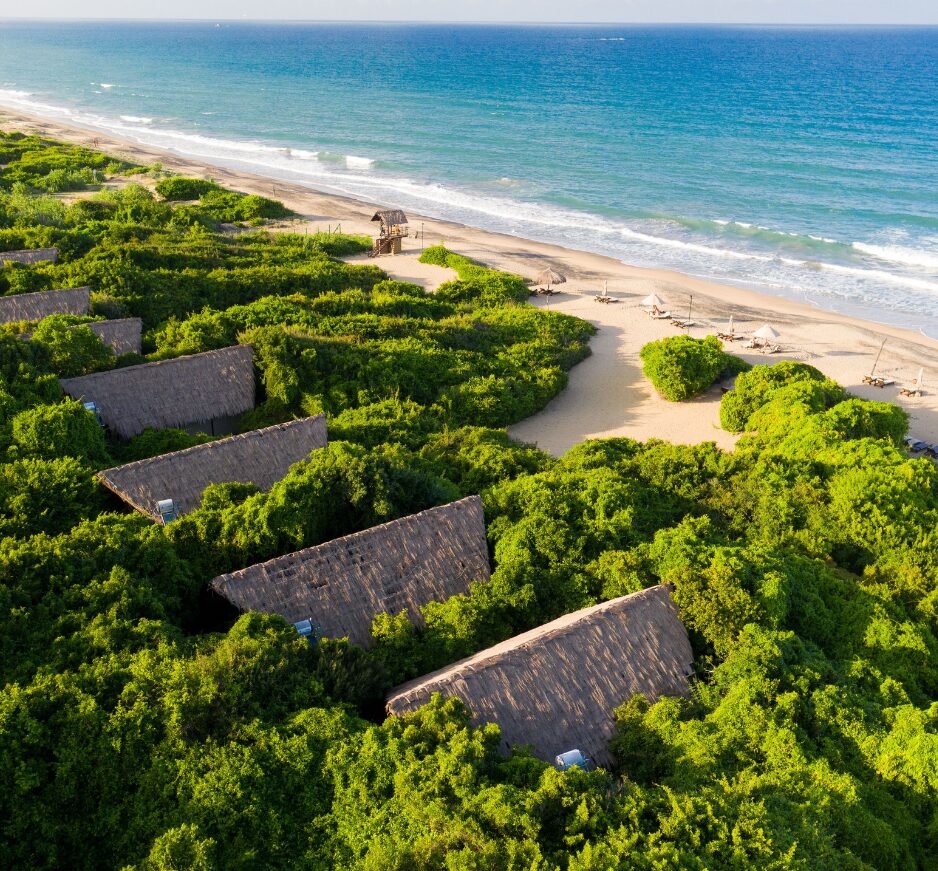
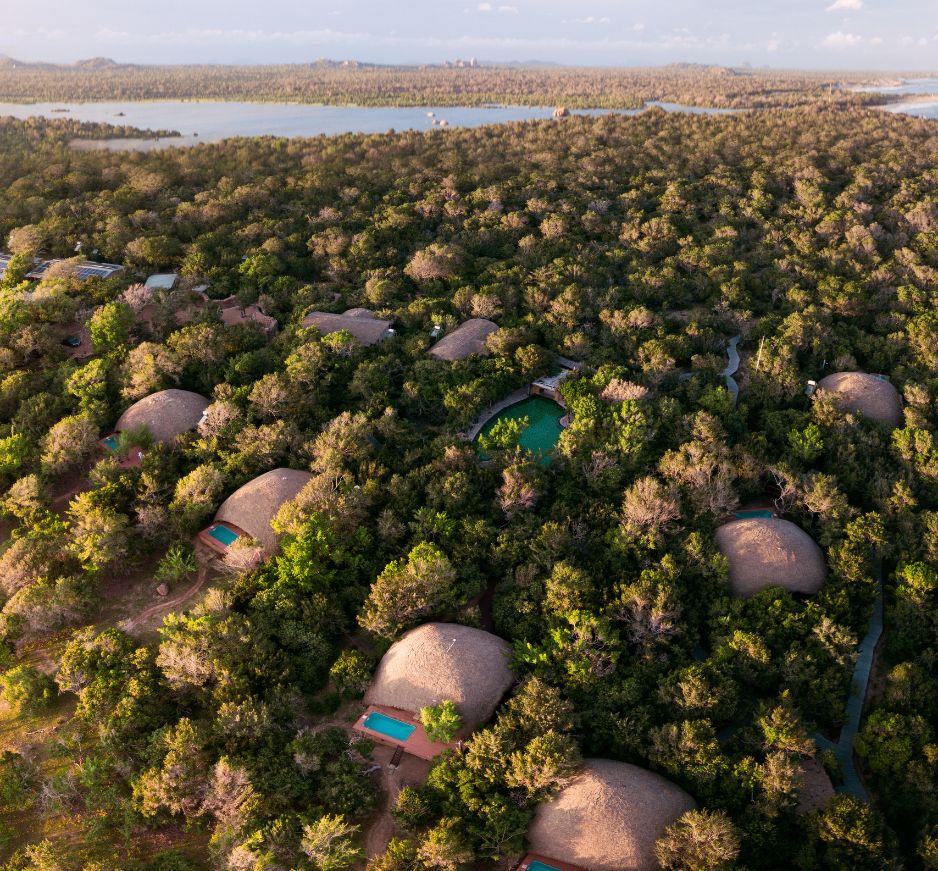
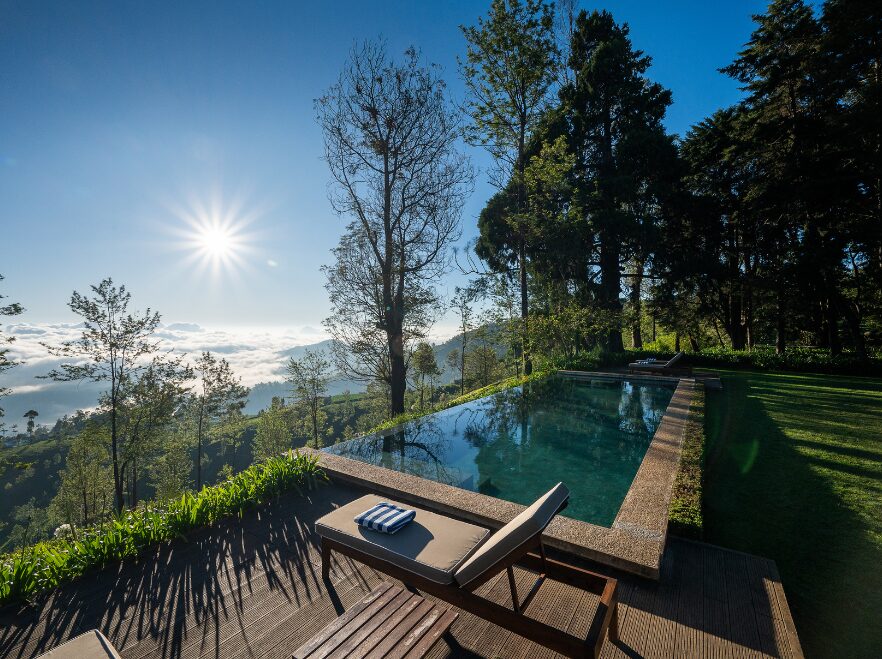
Nothing but the best. Browse our carefully handpicked collection of tried-and-tested hotels and villas in Sri Lanka.


Chat to our Sri Lanka travel expert to start planning your trip
Get in touch and one of our luxury travel experts will answer any questions you may have and help create your dream tailor-made holiday.
What our clients say

Sri Lanka was the most perfect honeymoon destination, with delicious food, wonderful people, fascinating history and simply stunning scenery and wildlife. cazenove+loyd put together a wonderful itinerary, including a lovely driver (Padmasiri Ram) who transformed our trip with his wise words and refreshing air con! From swimming on horseback and elephant safari breakfasts to cricket with the locals and cookery courses, this was the dream holiday.
It was wonderful working with Flora at cazenove+loyd. She helped make our honeymoon to Sri Lanka and The Maldives a truly unforgettable experience. It was seamless from start to end and there was almost nothing we had to worry about which was perfect for this type of vacation. We will certainly ask Flora for help in the future! Thanks so much!
What a fabulous holiday! Thank you for all your recommendations. Sisindu T is a gorgeous house set in an amazing tropical landscape that is rich with the sounds of birdsong, croaking toads, monkeys and peacocks. The staff were all very sweet, helpful and discreet – one being a fabulous cook who introduced us to Sri Lankan vegetarian and fish curries. Everything worked beautifully. Our guide, Pria, was so lovely and couldn’t do enough for us and our driver was very punctual and drove safely, navigating the crazy Sri Lankan roads. We saw some whales on our boat trip, which was fantastic, and again the boys crewing our catamaran, Lanka Sail, did a great job. So huge thanks to you all for making our holiday so memorable.

Our Sri Lanka Travel Guides + Inspiration

Let us plan your perfect Sri Lanka trip
Our team of travel specialists are ready to help you plan your next adventure. Enquiry lines are open 24/7
KEY FACTS ABOUT SRI LANKA
- CURRENCY: Sri Lankan Rupee
- LANGUAGE: Sinhala
- TIME ZONE: GMT +05:30
- TIPPING: 10%
- PEAK TIME: December - April
- USEFUL PHRASES: Hello / goodbye – Ayubowan, Thank you (very much) – (Bohoma) isthuthi, Please – Karunakerara, My name is…. – Mage nama…., How much? – Keeyada?
- COLDEST MONTH: December/ January, 27°C on average
- HOTTEST MONTH: April, 32°C on average
Sri Lanka Holiday Faqs
When is the best time to go to Sri Lanka?
The best time to visit Sri Lanka depends on which part of the island you’re planning to explore. If you planning to visit Southwest Coast and Hill Country (Colombo, Galle, Yala National Park, Kandy), you should consider going from December to March. For East Coast (Trincomalee, Arugam Bay, Passikudah), best time would be from April to September, when the northeast monsoon (October to January) has ended. Best time to visit North Central Region (Sigiriya, Anuradhapura) is from May to September, when the region is generally dry and cooler.
Sri Lanka’s central regions (such as Kandy and Nuwara Eliya) can be visited year-round, though temperatures are cooler, especially in the hill stations. For a comprehensive experience covering multiple regions, consider traveling between January and March for favorable conditions across most of the island.
Is Sri Lanka safe for tourists?
Yes, Sri Lanka is generally considered safe for tourists, with millions visiting each year to enjoy its natural beauty, culture, and heritage.
What clothes to wear in Sri Lanka?
What to wear in Sri Lanka depends on the climate and cultural expectations, as well as your planned activities. Lightweight, breathable fabrics like cotton or linen are ideal since Sri Lanka has a tropical climate with high humidity. Comfortable walking shoes or sandals are helpful for sightseeing, especially if you’re exploring cultural sites or national parks.
When visiting temples or other sacred sites, dress modestly. For women, this means covering shoulders and knees, while men should avoid sleeveless tops or shorts.
What to pack for Sri Lanka?
Packing for Sri Lanka requires a mix of light, comfortable clothing for the warm weather, and a few essentials to handle the island’s diverse climates and activities.
What currency should I take to Sri Lanka?
The official currency in Sri Lanka is the Sri Lankan Rupee (LKR). US Dollars (USD), Euros (EUR), and British Pounds (GBP) are widely accepted for exchange at banks and currency exchange counters in airports, hotels, and major cities.
ATMs are common in cities and towns, and most accept major international debit and credit cards (Visa, Mastercard). They dispense Sri Lankan Rupees and are a convenient way to get cash, though some ATMs may charge a small fee for foreign cards.
Credit cards are also widely accepted, but you’ll need cash to pay in smaller towns and markets.
What language do they speak in Sri Lanka?
Sri Lanka has two official languages: Sinhala and Tamil. English is widely used as a link language and is commonly spoken in urban areas, especially in tourist locations, hotels, and by people working in the hospitality industry.
Place names and signs are in English and Sinhala, English and Tamil, or sometimes all three.
What is traditional Sri Lankan food?
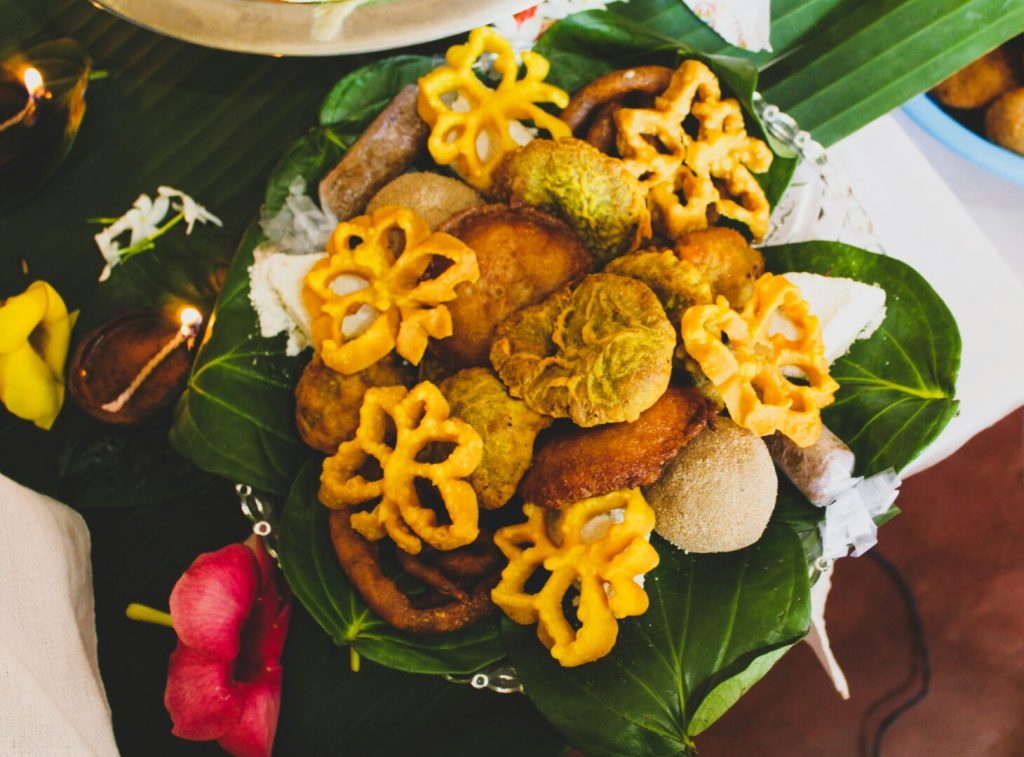
Sri Lankan cuisine is rich, vibrant, and known for its bold flavors, unique spices, and coconut-based ingredients. Traditional Sri Lankan dishes are often a harmonious blend of spices, herbs, and local produce. Here are some must-try dishes:
- Rice and Curry: A staple meal, it consists of steamed rice served with a variety of curries made from vegetables, meat (like chicken or fish), and lentils. The curries are typically spiced with coconut milk, cinnamon, cardamom, and a mix of local spices. Each curry has a unique flavor profile.
- Hoppers (Appa): Bowl-shaped pancakes made from a fermented rice flour and coconut milk batter. They’re crispy on the edges and soft in the middle. Egg hoppers (with an egg in the middle) are a popular variant, and hoppers are usually served with sambols and curries.
- Kottu Roti: A popular street food made by stir-frying shredded roti (flatbread) with vegetables, eggs, or meat and seasoned with spices. Kottu is known for its unique rhythmic sound as it’s chopped and mixed on a hot griddle.
- Pol Sambol: A spicy coconut relish made from grated coconut, chili powder, lime juice, and onions. It’s often served as a side with rice, roti, or hoppers, adding a burst of flavor and heat to the meal.
- Fish Ambul Thiyal: A sour fish curry made with chunks of fish cooked in a blend of spices and tamarind paste, which gives it a tangy flavor. This dish is a specialty in coastal regions.
- Dhal Curry (Parippu): A mild yet flavorful lentil curry cooked with coconut milk, onions, tomatoes, and various spices. It’s a common side dish with rice and other curries.
- Lamprais: A Dutch-influenced dish, lamprais is rice cooked with spices and stock, served with small portions of curry, sambol, and fried plantains, all wrapped in a banana leaf and steamed or baked.
- Sri Lankan Sweets:
- Kiribath: Coconut milk rice, often shaped into diamond pieces and served with a sweet condiment or lunu miris (a chili and onion sambol).
- Watalappam: A spiced coconut custard dessert made with coconut milk, jaggery, cardamom, and cashews, influenced by Malay cuisine.
Sri Lankan food is generally spicy, though you can ask for milder versions if you prefer less heat. Fresh ingredients, coconut milk, and an array of spices like curry leaves, cinnamon, and cardamom create complex flavors that make Sri Lankan cuisine distinctive and memorable.
How much should I tip in Sri Lanka?
Tipping in Sri Lanka is appreciated but not mandatory. A 10% tip in restaurants is appreciated. Drivers, guides, and hotel porters will also expect a tip. Your Destination Expert can advise you on appropriate amounts close to the travel dates.