

LABA Migration Camp
 Tanzania
Highlights
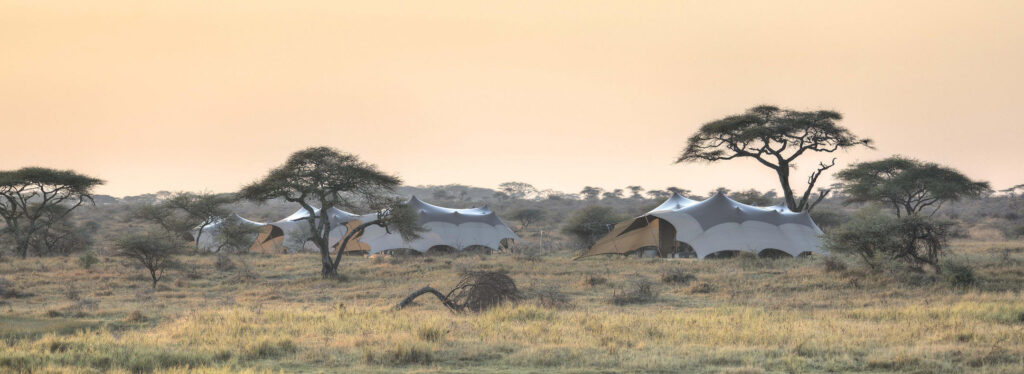
- Follows the Great Migration: The camp relocates between three seasonal locations, ensuring guests are perfectly placed to experience the Great Migration throughout the year.
- Intimate Tented Camp: With just ten spacious tented suites and two family tents, the camp offers an exclusive safari experience in the heart of the Serengeti.
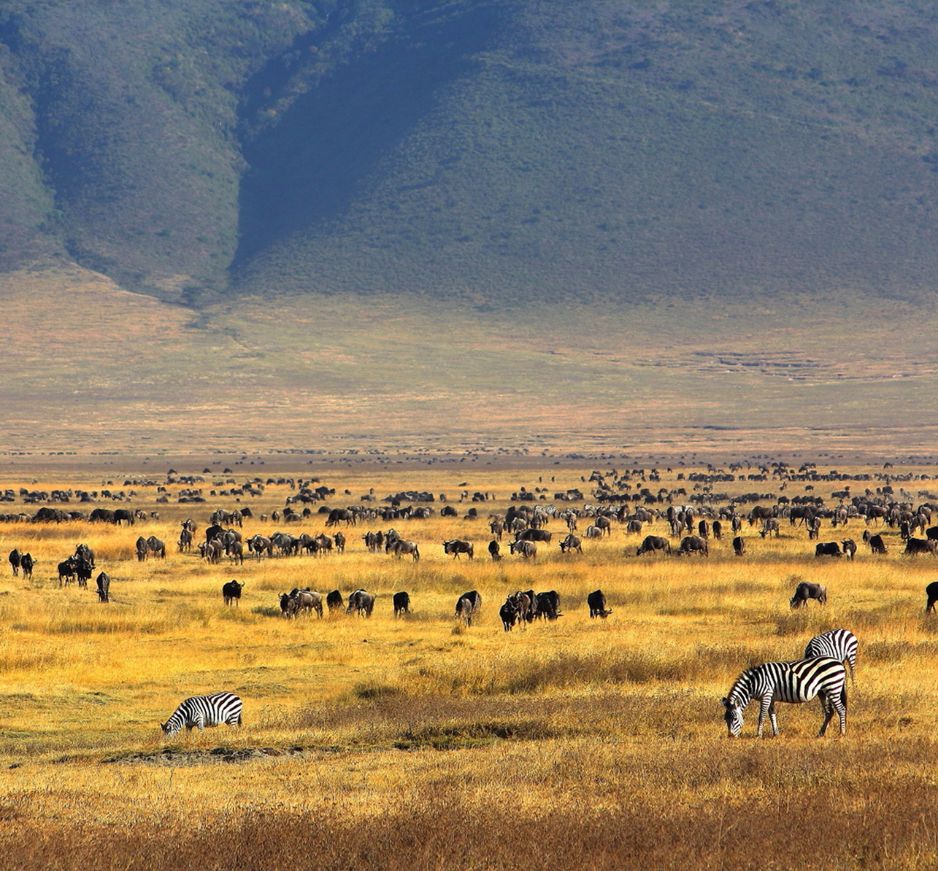
- Outstanding Wildlife Viewing: Encounter the Serengeti’s abundant wildlife, from big cats and elephants to vast herds of wildebeest and zebra during the migration.
- Luxury Tented Suites: Spacious ensuite tents combine classic safari charm with modern comforts, beautiful interior design and private verandas overlooking the wilderness.
- Dining under the stars: LABA LABA signature dishes made with mainly organic ingredients and the added thrill of dining under the stars
- Exceptional Guiding: Experienced guides lead expertly tailor-made game drives and walking safaris, helping guests make the most of every outing.
Why we love LABA Migration Camp

Although a mobile camp, the tented suites are extremely stylish, and you certainly don’t miss out on any luxuries or comforts. Being in the midst s of The Great Migration is truly spectacular, offering an extraordinary opportunity to witness one of the world’s most remarkable wildlife events. The whole team will also do everything in their power to make your stay unforgettable, and they will look after you incredibly well.

Start to planning your tailor-made trip by contacting one of our specialists

Gallery
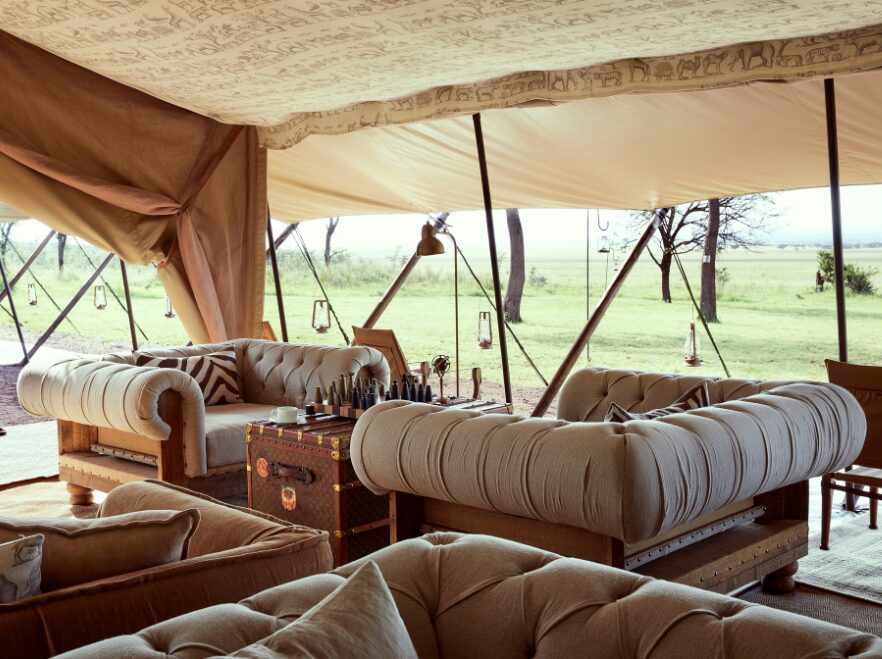
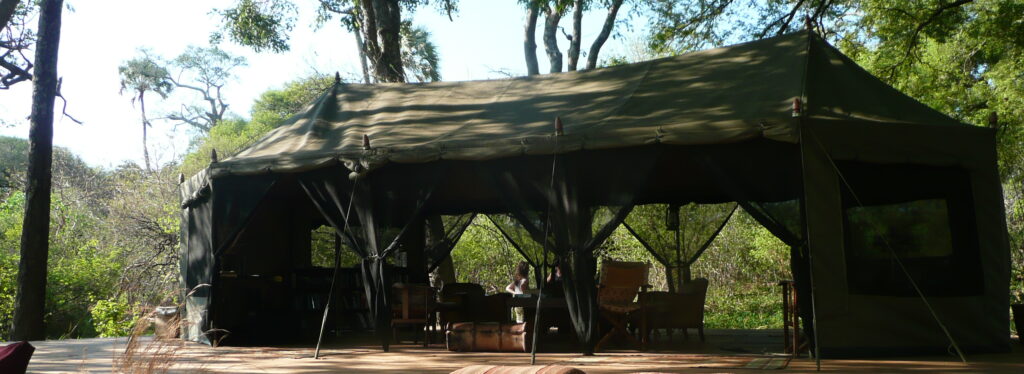
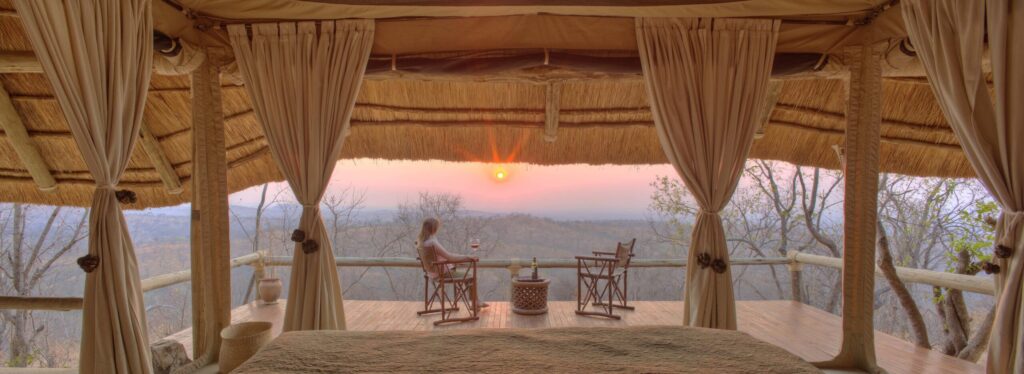
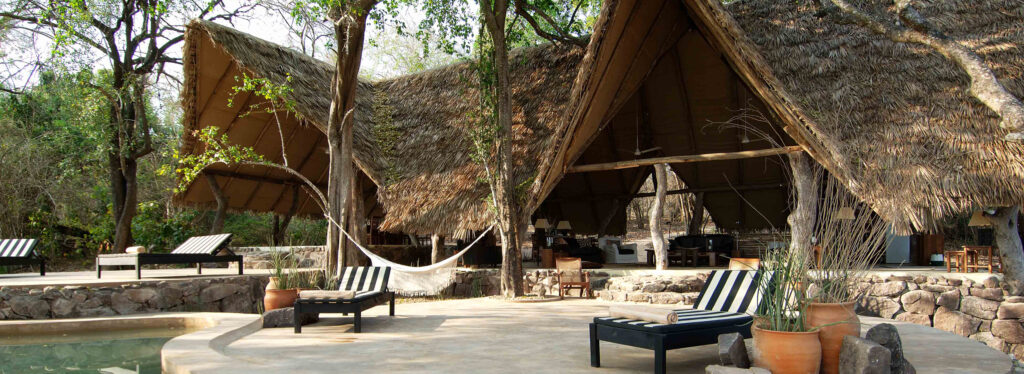
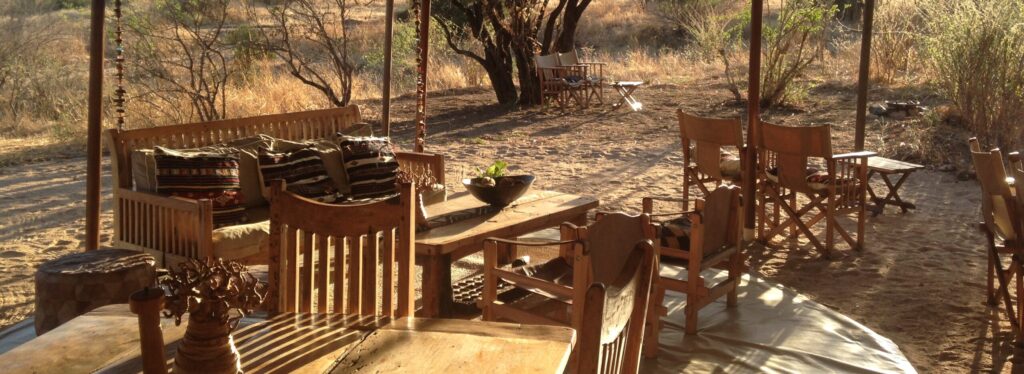
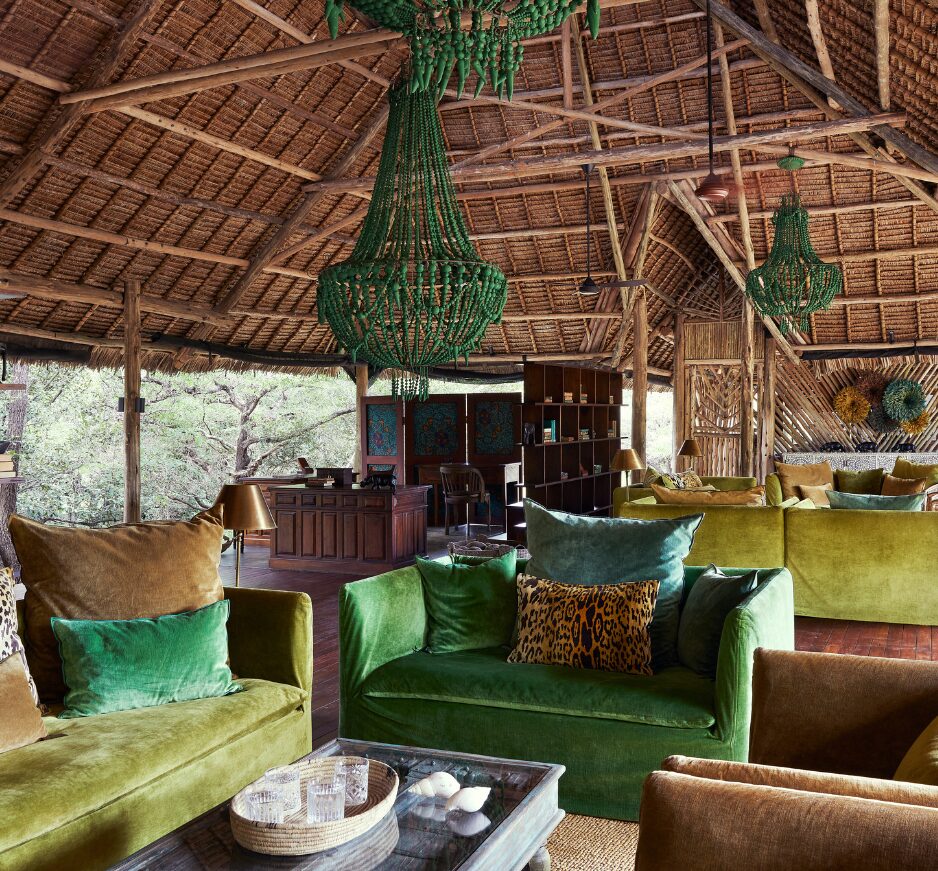
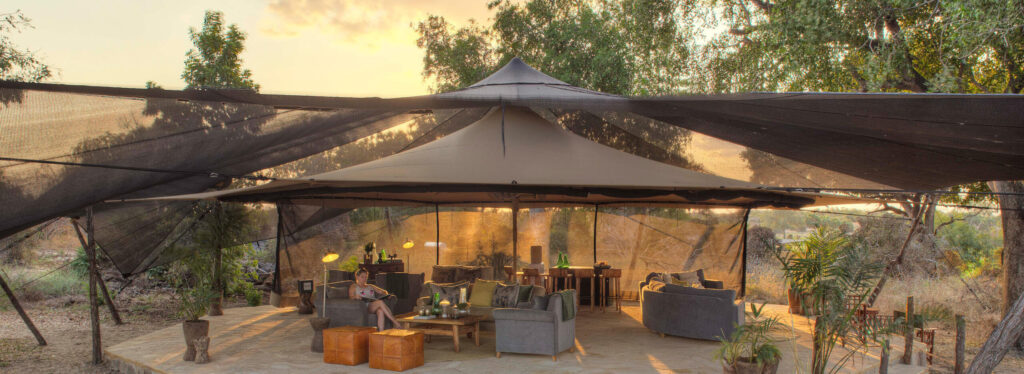
Lounge, Laba Migration Camp, Serengeti National Park, Tanzania
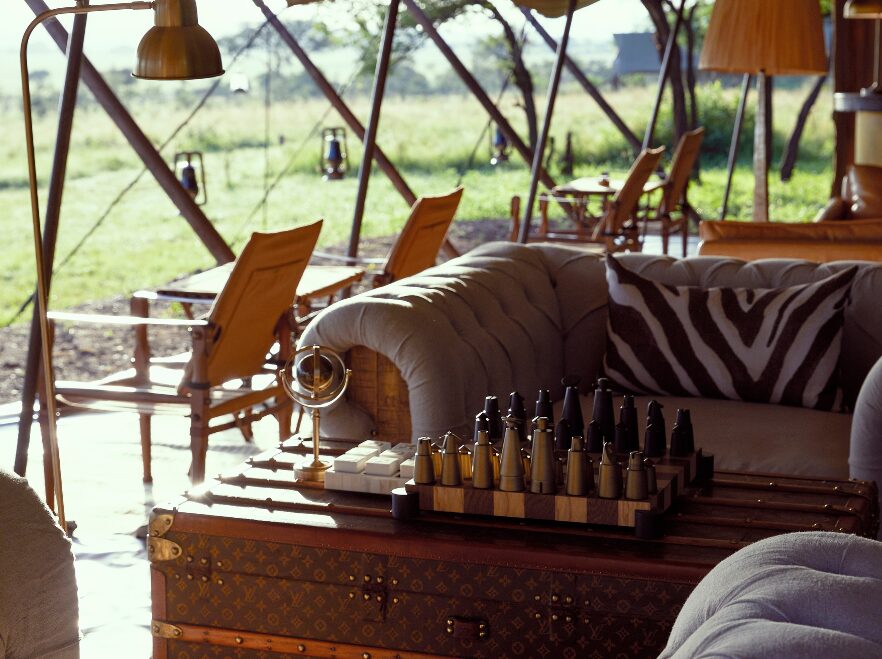
Lounge, Laba Migration Camp, Serengeti National Park, Tanzania
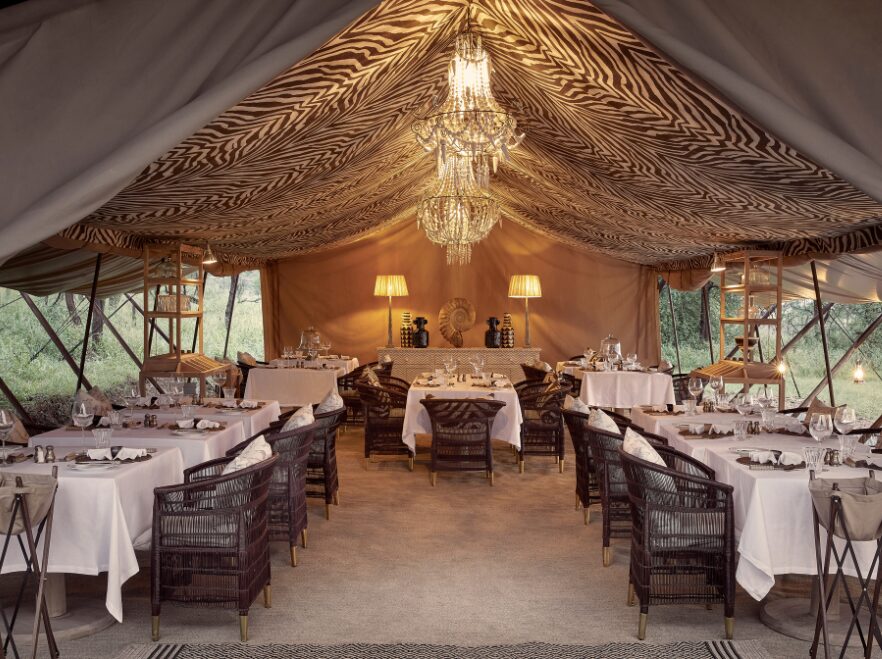
Dining, Laba Migration Camp, Serengeti National Park, Tanzania
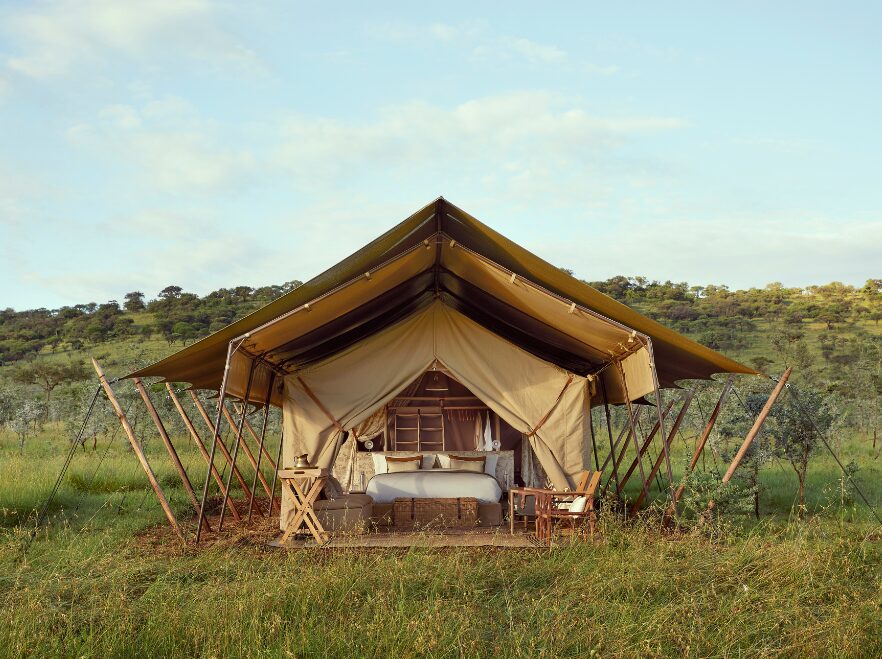
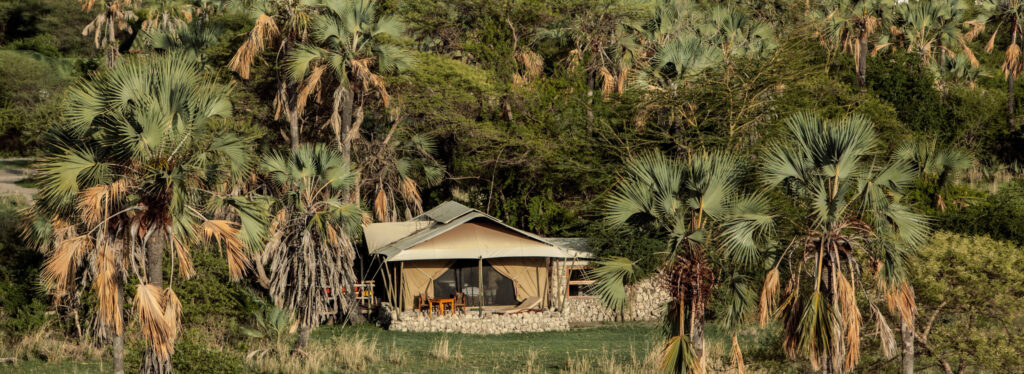
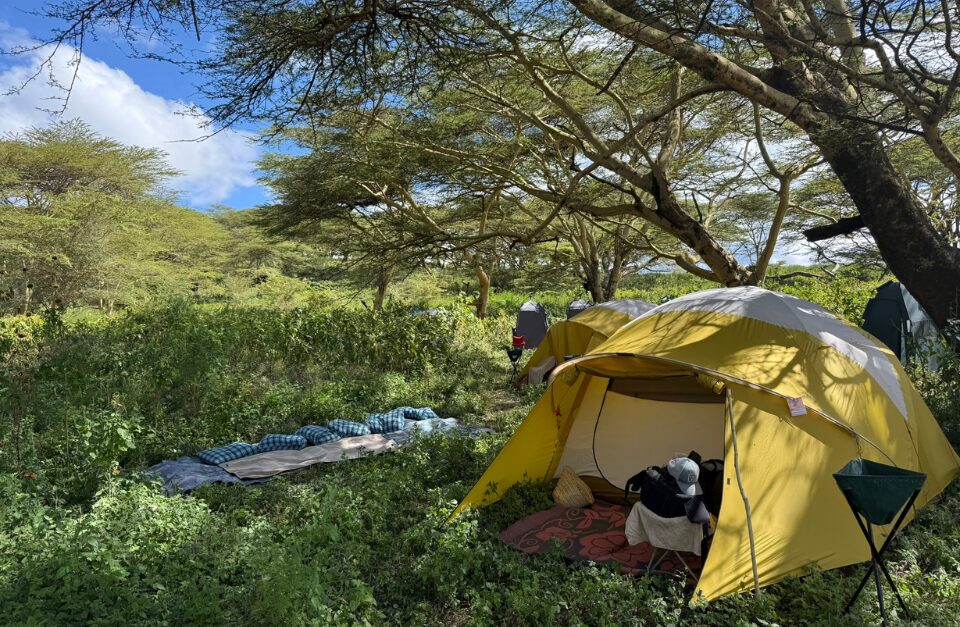
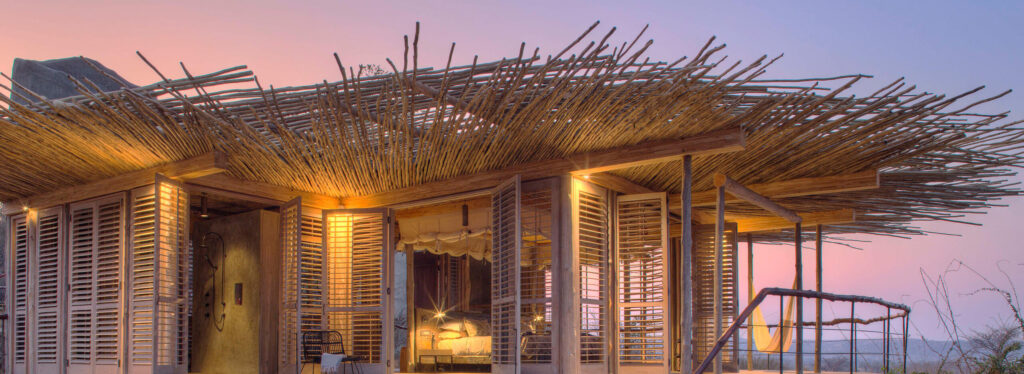
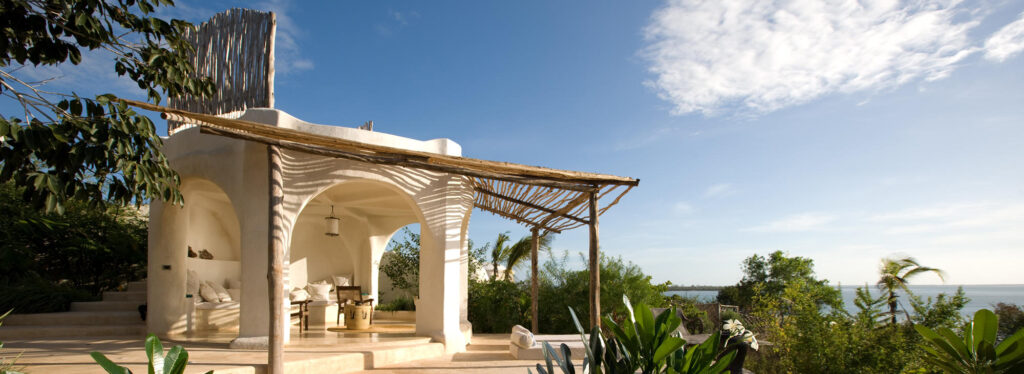
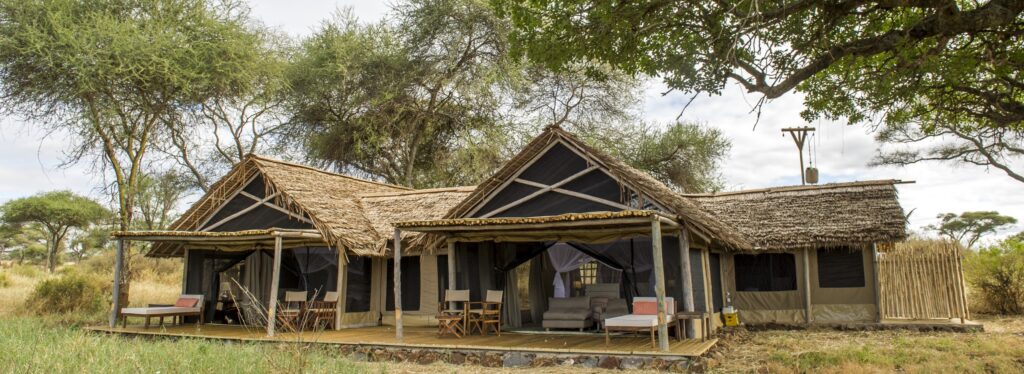
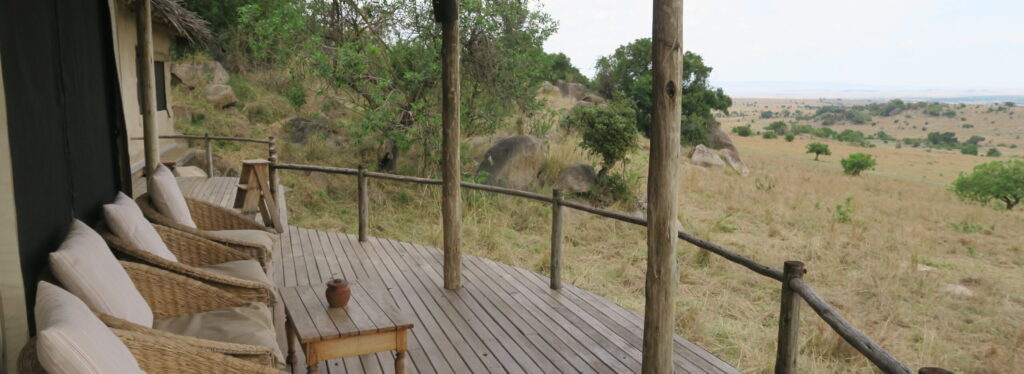
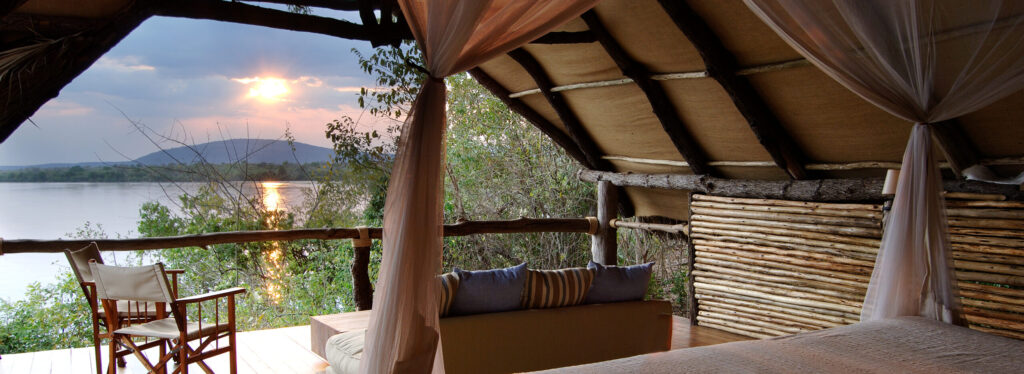
Tent Suite, Laba Migration Camp, Serengeti National Park, Tanzania
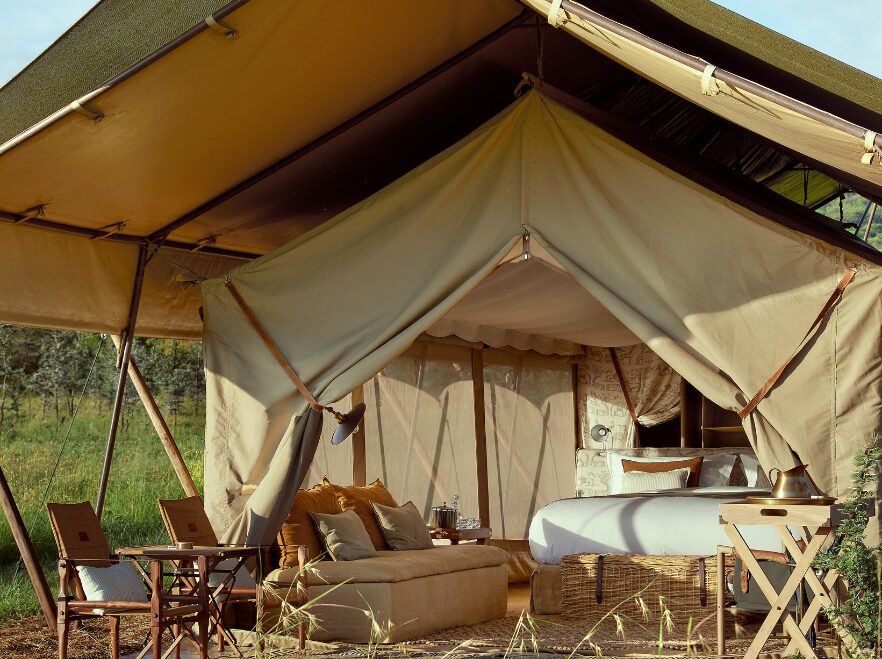
Tent Suite, Laba Migration Camp, Serengeti National Park, Tanzania
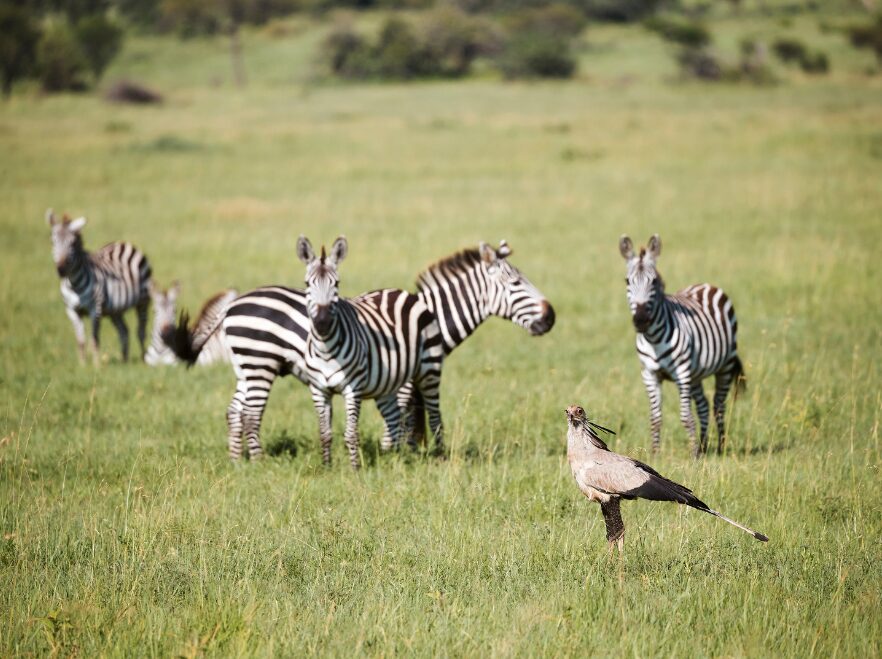
Zebras, Laba Migration Camp, Serengeti National Park, Tanzania
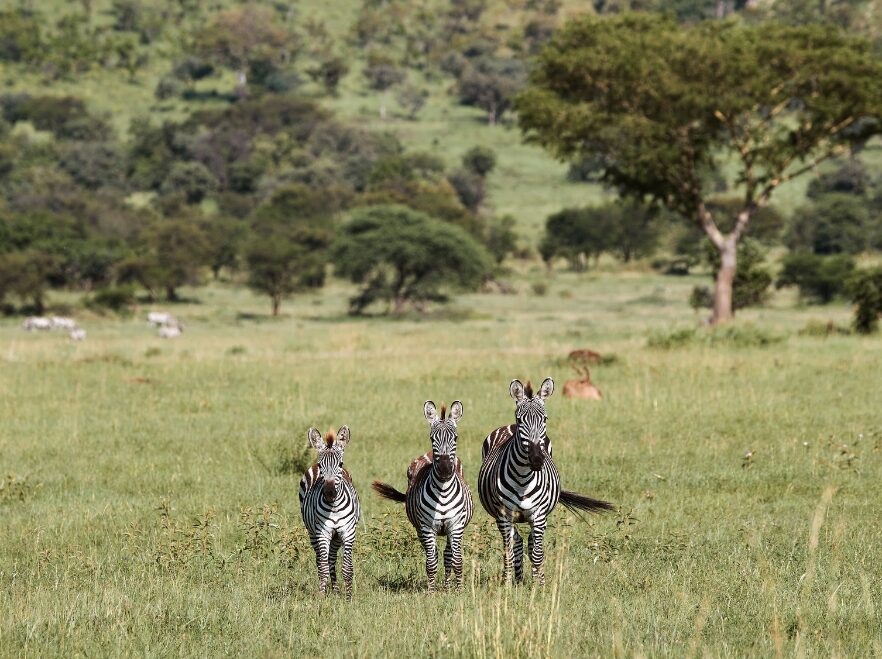
Zebras, Laba Migration Camp, Serengeti National Park, Tanzania
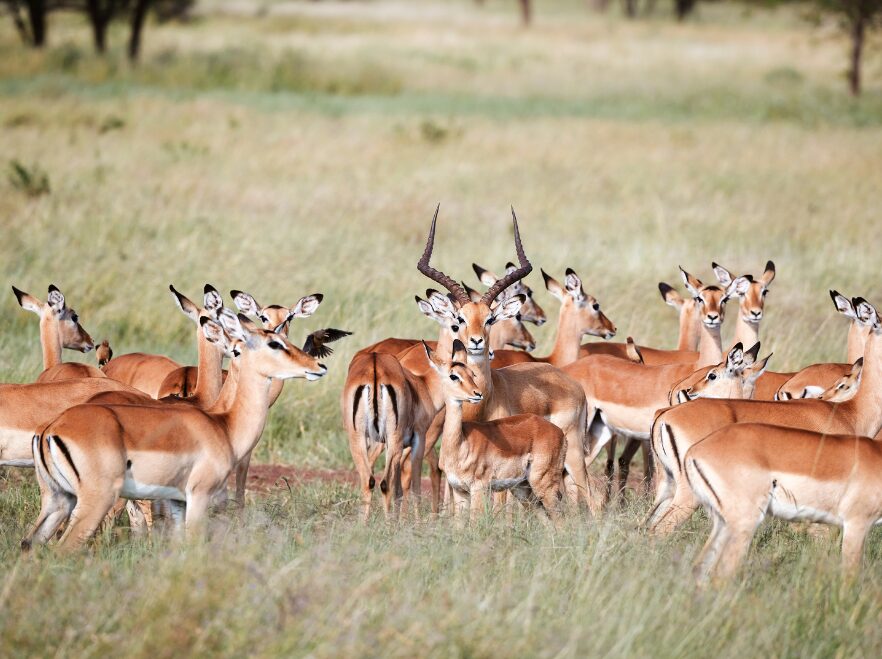
Impalas, Laba Migration Camp, Serengeti National Park, Tanzania
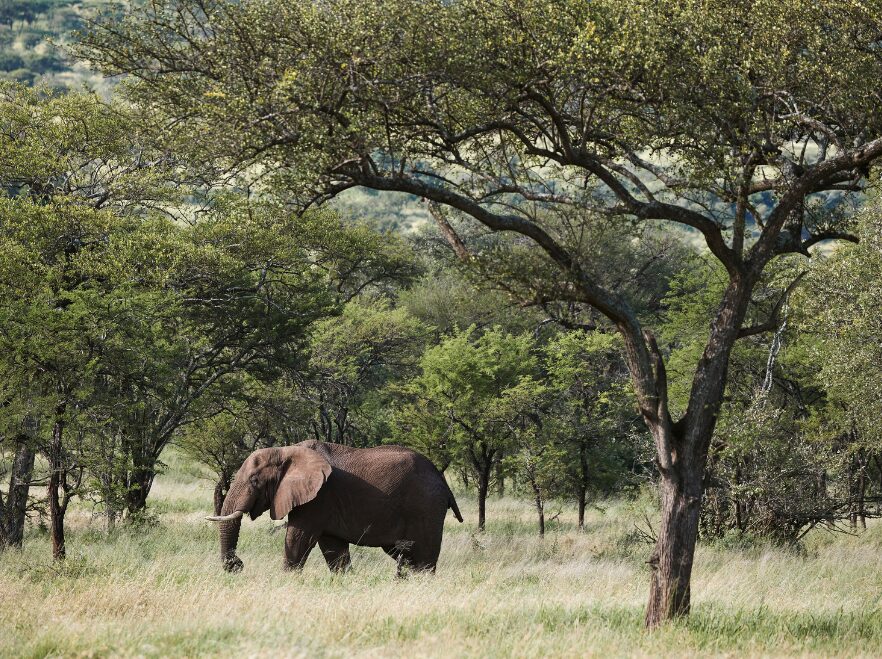
Elephant, Laba Migration Camp, Serengeti National Park, Tanzania
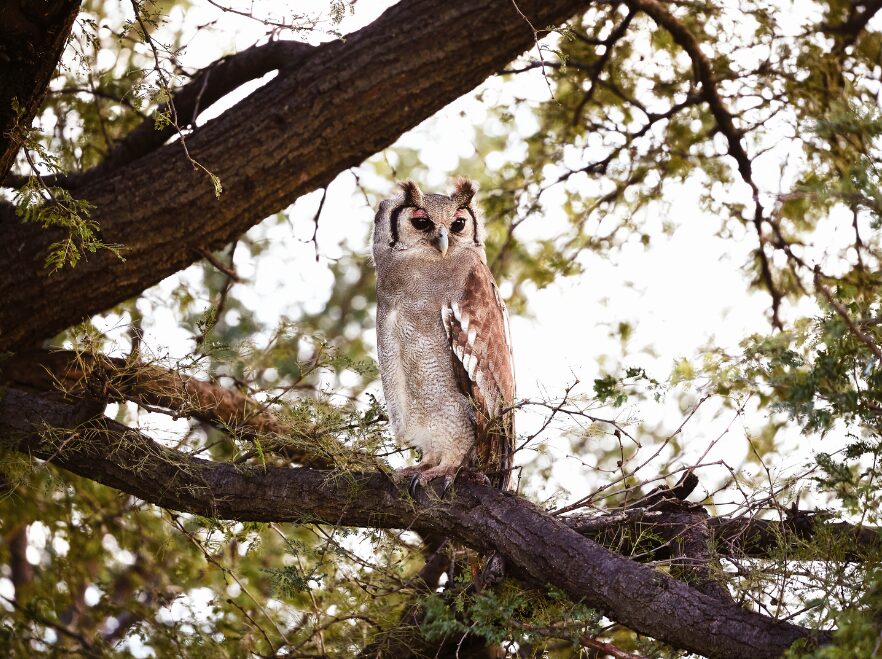
Verreaux's eagle-owl, Laba Migration Camp, Serengeti National Park, Tanzania
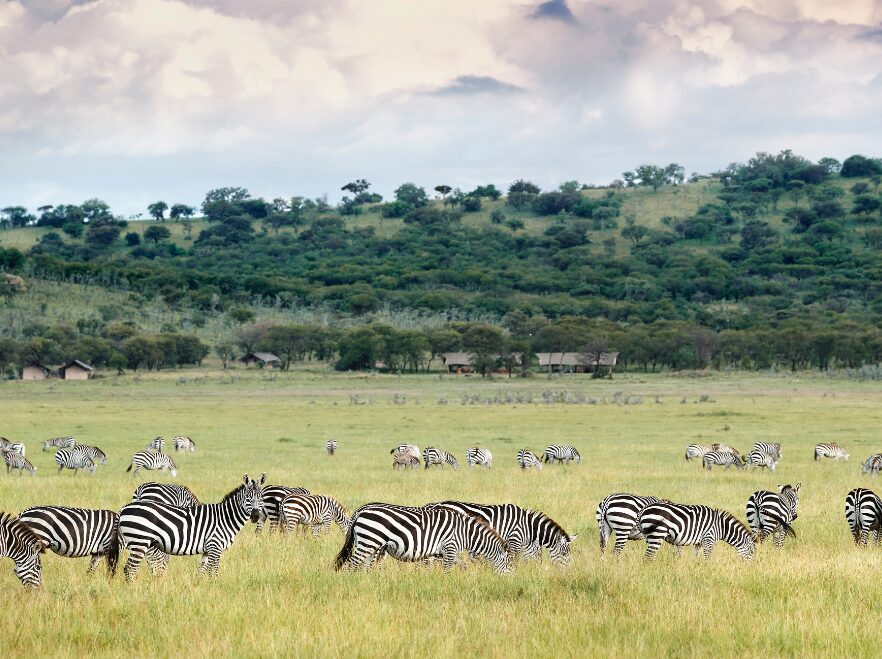
Zebras, Laba Migration Camp, Serengeti National Park, Tanzania
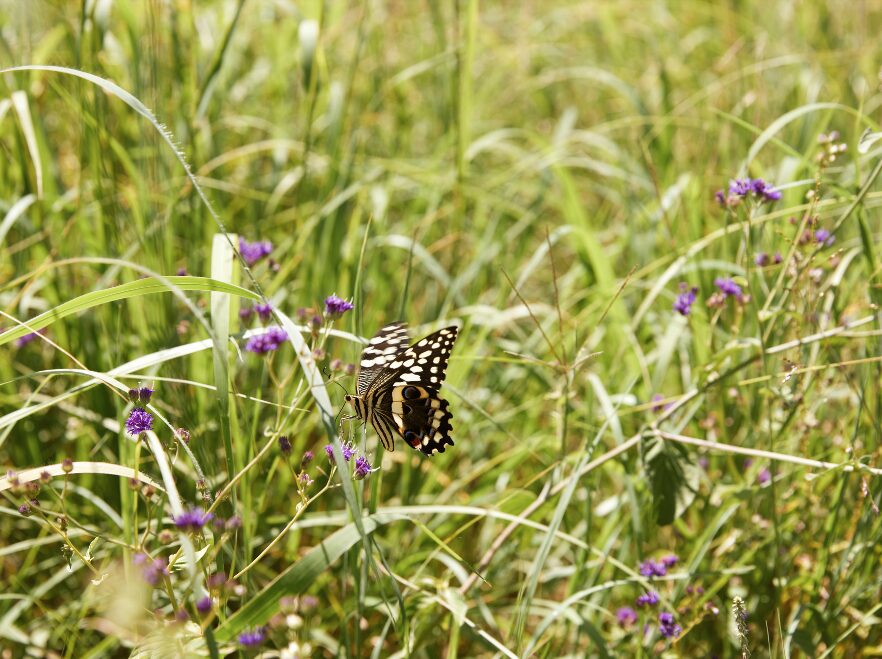
Citrus Swallowtail Butterfly, Laba Migration Camp, Serengeti National Park, Tanzania
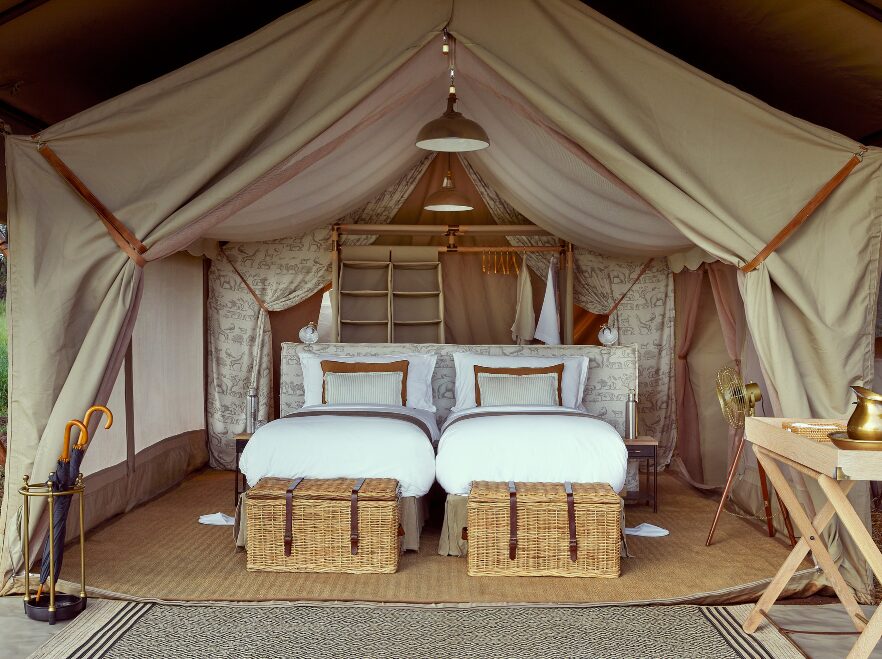
Family Tent Suite, Laba Migration Camp, Serengeti National Park, Tanzania
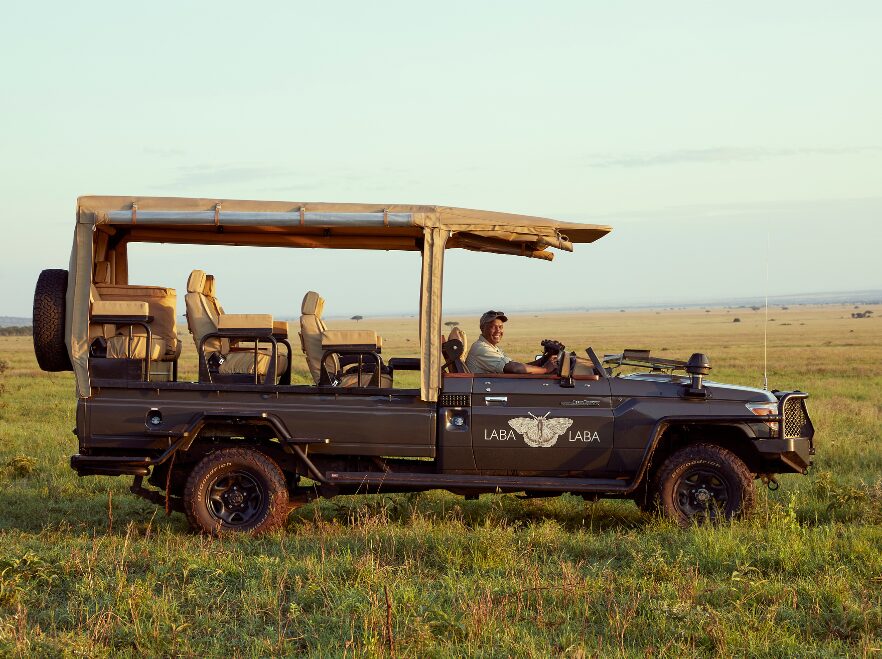
Game Drive, Laba Migration Camp, Serengeti National Park, Tanzania
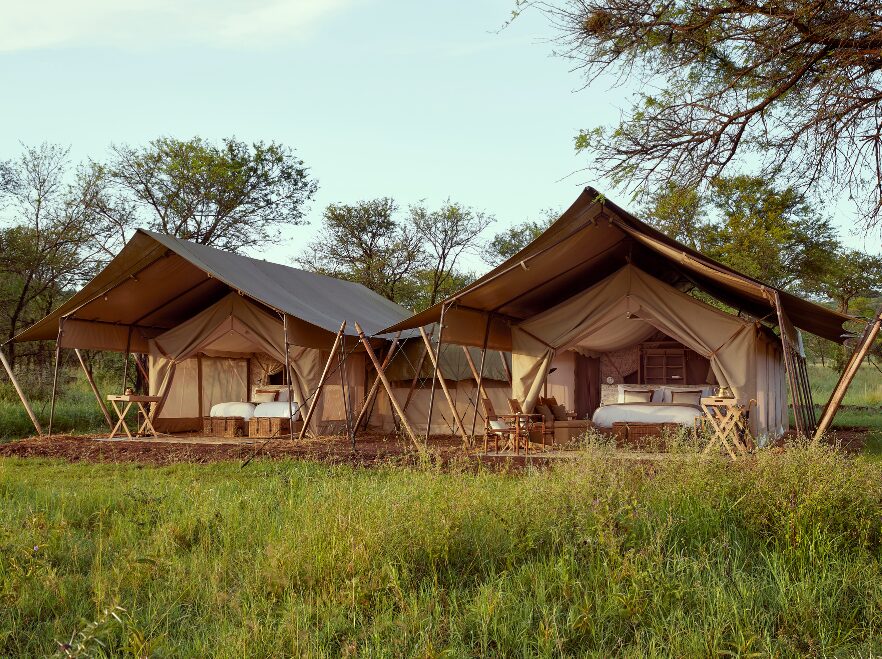
Family Tent Suite, Laba Migration Camp, Serengeti National Park, Tanzania


Luxury Tanzania trip ideas
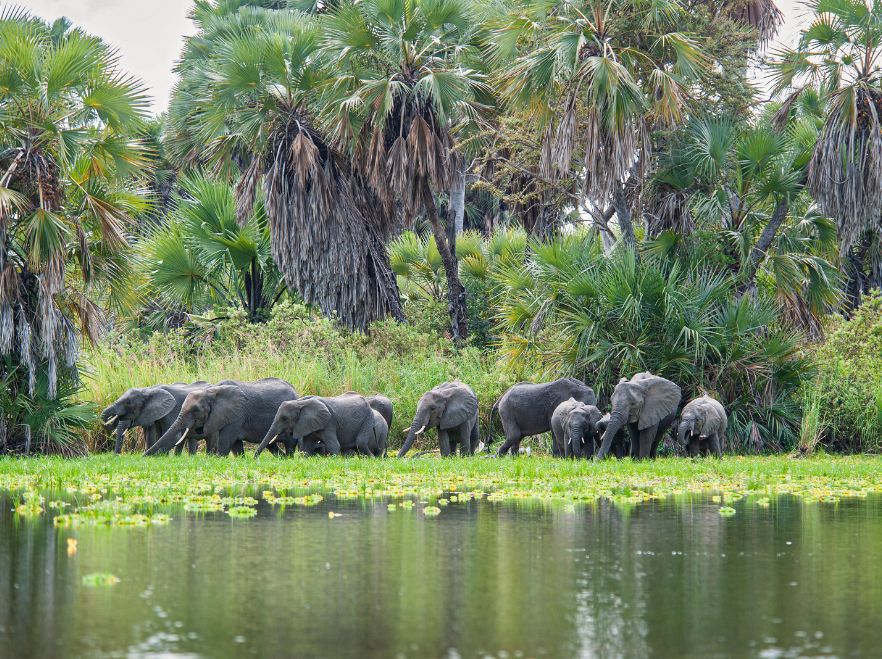

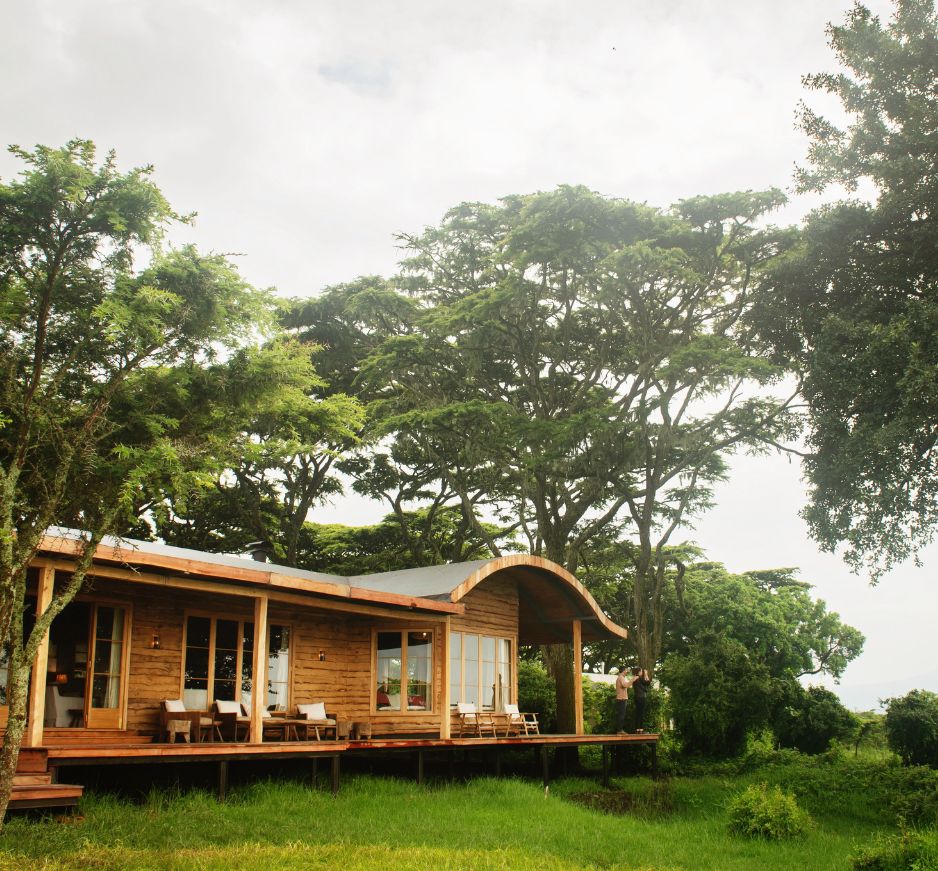
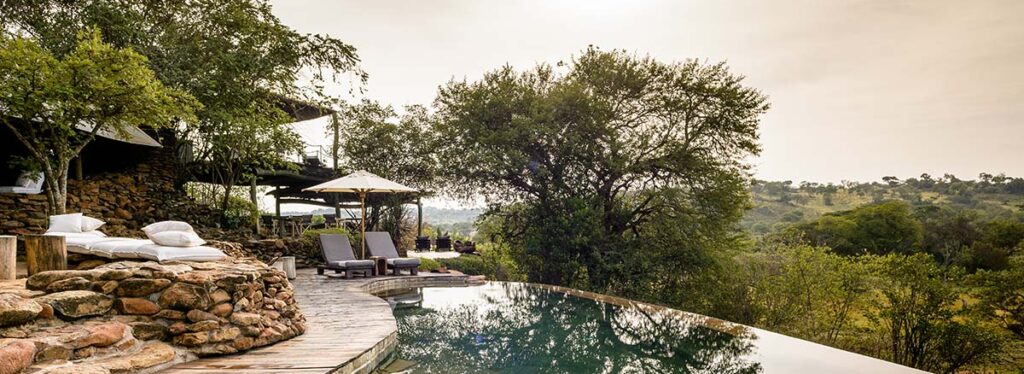
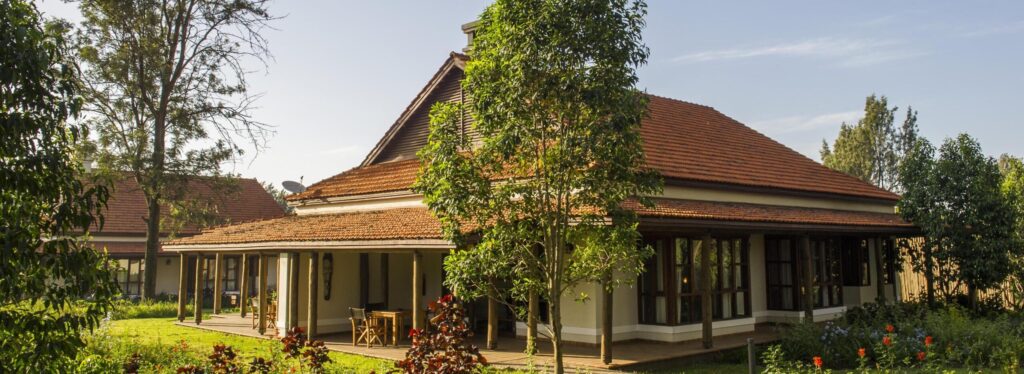
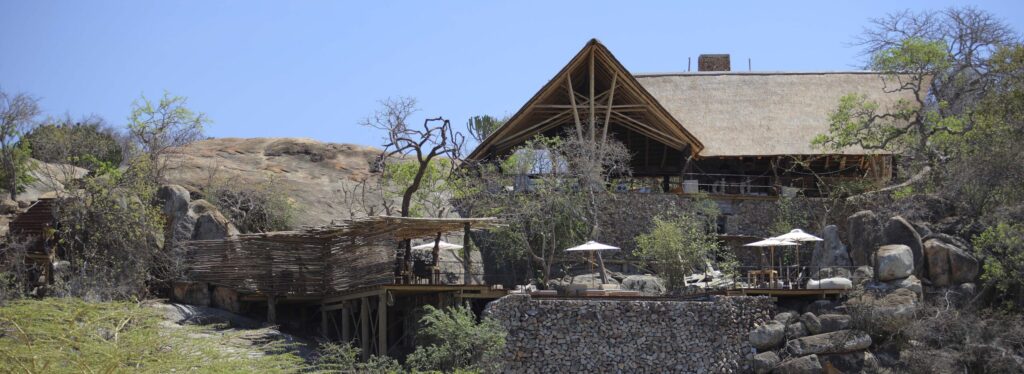
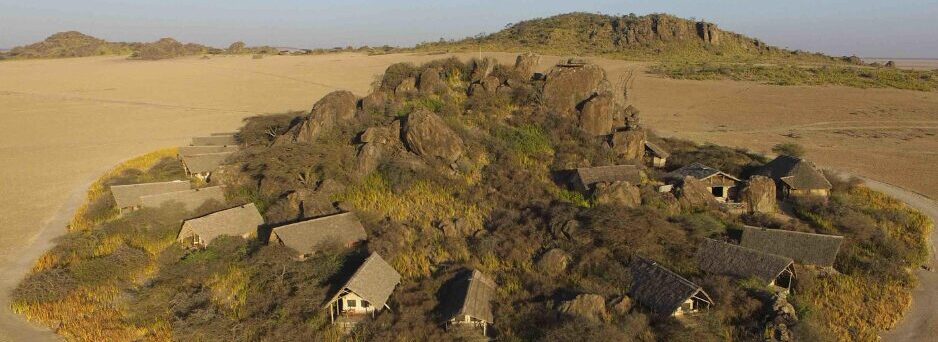
Top Luxury Hotels + Lodges In Tanzania


Good to know
How to get there?
LABA Migration Camp is located in different areas of the Serengeti throughout the year, so the exact route depends on where the camp is positioned. The usual way to reach the camp is by flying from Arusha or Kilimanjaro International Airport to the nearest Serengeti airstrip, followed by a short 4WD transfer to camp.
From December until March, you will fly to Ndutu Airstrip; from April to July, you will likely fly to Grumeti; and from August to November, you will fly to Kugotende.
Are children welcome?
Children over the age of six are welcome at LABA Migration Camp; however, they must remain under full parental supervision, as the camp is unfenced and wildlife can roam freely through the area.
Giving back
Laba Laba commits a significant share of its income to conservation and community work in Tanzania. Around 30% of profits are directed towards environmental protection and humanitarian projects. A particular focus is placed on children with disabilities, alongside wider support for conservation across key ecosystems. The aim is to link hospitality with long-term, practical impact on the ground.
A core humanitarian initiative is the funding of the first care centre for children with disabilities in Iringa. The centre provides medical care, physiotherapy, and support for parents to strengthen daily care and interaction. Laba Laba also funds 100% of staff salaries. The long-term goal is to expand similar centres across other regions of Tanzania as resources grow.
Conservation work includes anti-poaching support in Ruaha National Park. This includes the donation of drone technology with thermal capability, ranger training, and support for park logistics and vehicle maintenance. The company also works with TANAPA to improve underused areas such as Maji Moto hot springs, helping to increase ranger presence and reduce illegal activity through regular monitoring.
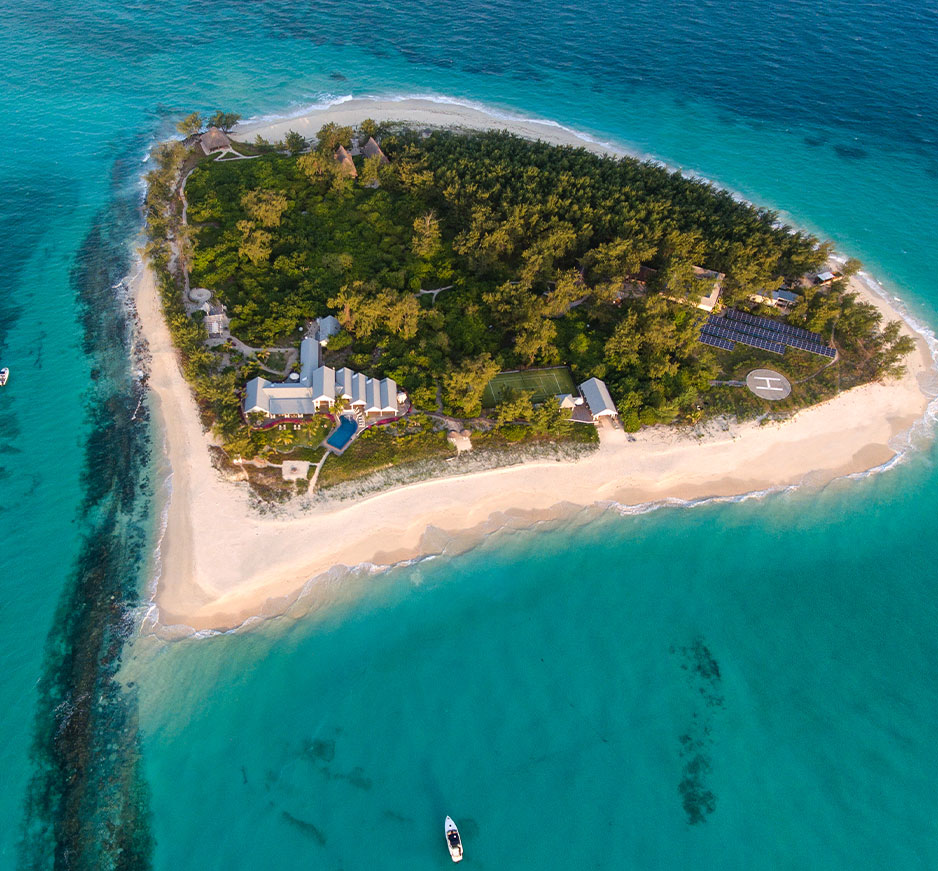
Marine conservation is a major focus at Fanjove Island. Fishing zones are carefully managed with strict no-fishing areas close to shore, allowing coral and marine life to recover. In partnership with local fishing communities, seasonal controls on octopus fishing have led to stronger long-term catches and healthier lagoon ecosystems. Future plans aim to expand protection further and develop a fully protected marine area, alongside wider conservation and education projects across Tanzania.
What wildlife can you expect to see?
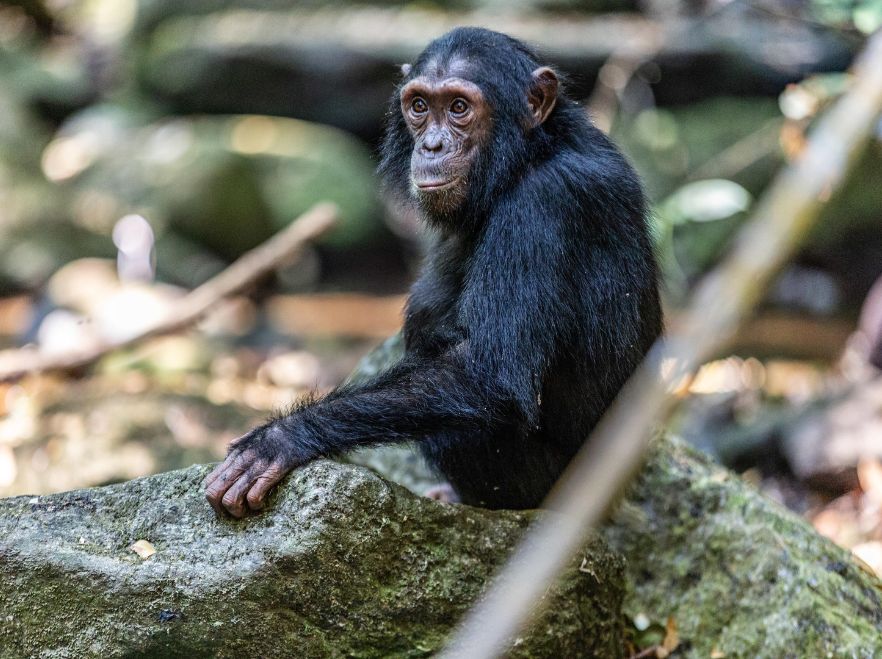
The Serengeti and the Ngorongoro Conservation Area support an extraordinary diversity of wildlife. As well as being home to the Big Five, hyena, cheetah, zebra, giraffe, birds of prey and many other species, the area also witnesses the Great Migration, when around 1.6 million wildebeest, accompanied by hundreds of thousands of zebra and gazelle, follow the rains in search of fresh grazing. This remarkable natural spectacle can be seen in different parts of the Serengeti throughout the year, depending on the season.
