

LABA Siwandu
 Tanzania
Highlights
- Nyerere National Park: Set on the shores of Lake Nzerakera in Nyerere National Park, formally the Selous Game Reserve, LABA Siwandu lies within one of Africa’s largest protected wilderness areas, renowned for its abundant wildlife.
- Boat Safaris: Explore the Rufiji River by boat, spotting hippos, crocodiles, elephants and prolific birdlife, with breakfast, lunch or sundowners served on board by your private chef.
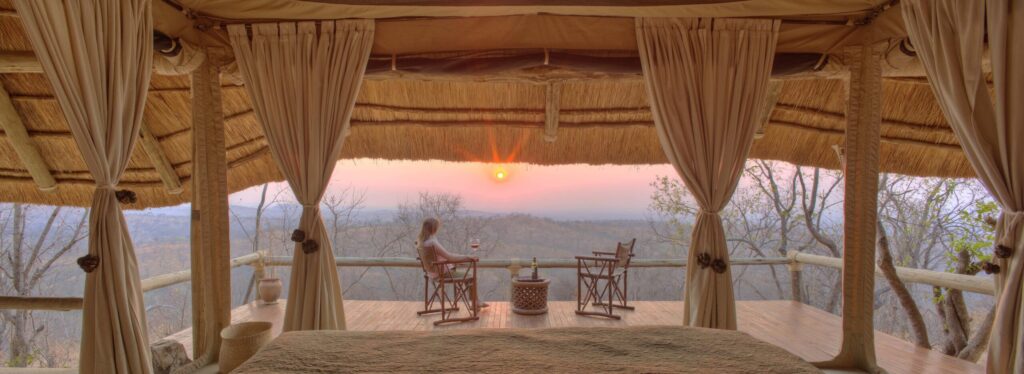
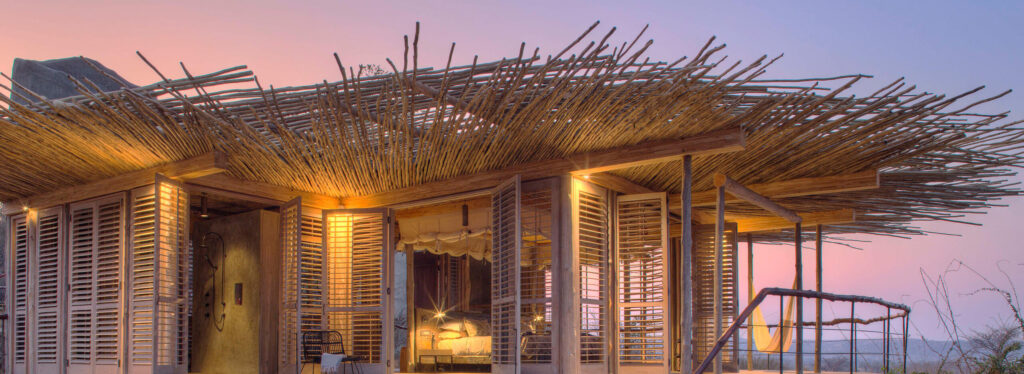
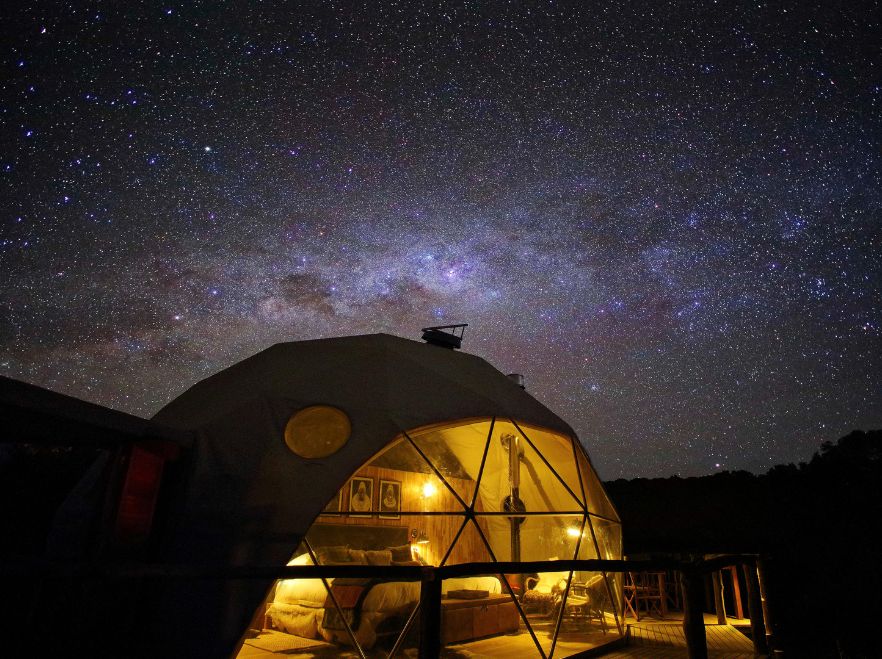
- Luxury Tented Suites: Spacious tented suites feature raised wooden decks, makuti-thatched roofs, freestanding copper bathtubs and open-air showers overlooking Lake Nzerakera.
- Exceptional Safari Experiences: Enjoy expertly guided game drives, walking safaris and night drives in search of elephants, lions, leopards, African wild dogs and more than 440 bird species.
- Open-Air Spa: Unwind between safari activities with a massage or wellness treatment in the camp’s peaceful open-air spa.
- Bush Dining: Dine in memorable settings, from breakfasts in the bush to candlelit dinners beneath the stars.
Why we love LABA Siwandu

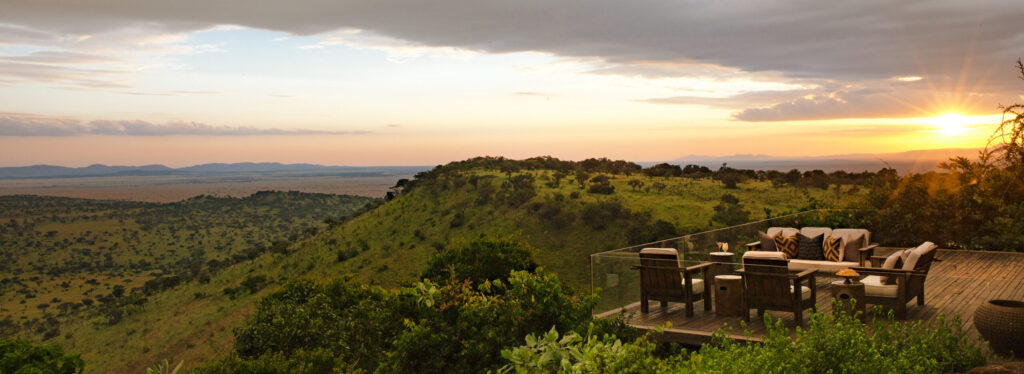
The large private deck outside your tent is a great place to spot wildlife early in the morning or between game drives. The view looks our over the lake and sometimes the wildlife will wander right past your your tent. The boat safari is absolutely a must here, particularly during the sunset with a sundowner.
Start to planning your tailor-made trip by contacting one of our specialists

Gallery
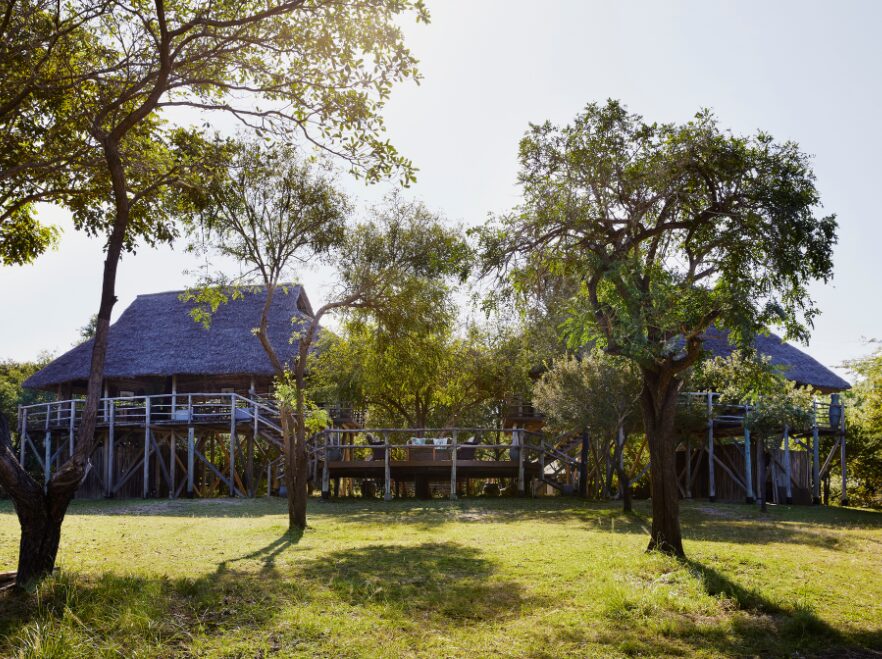
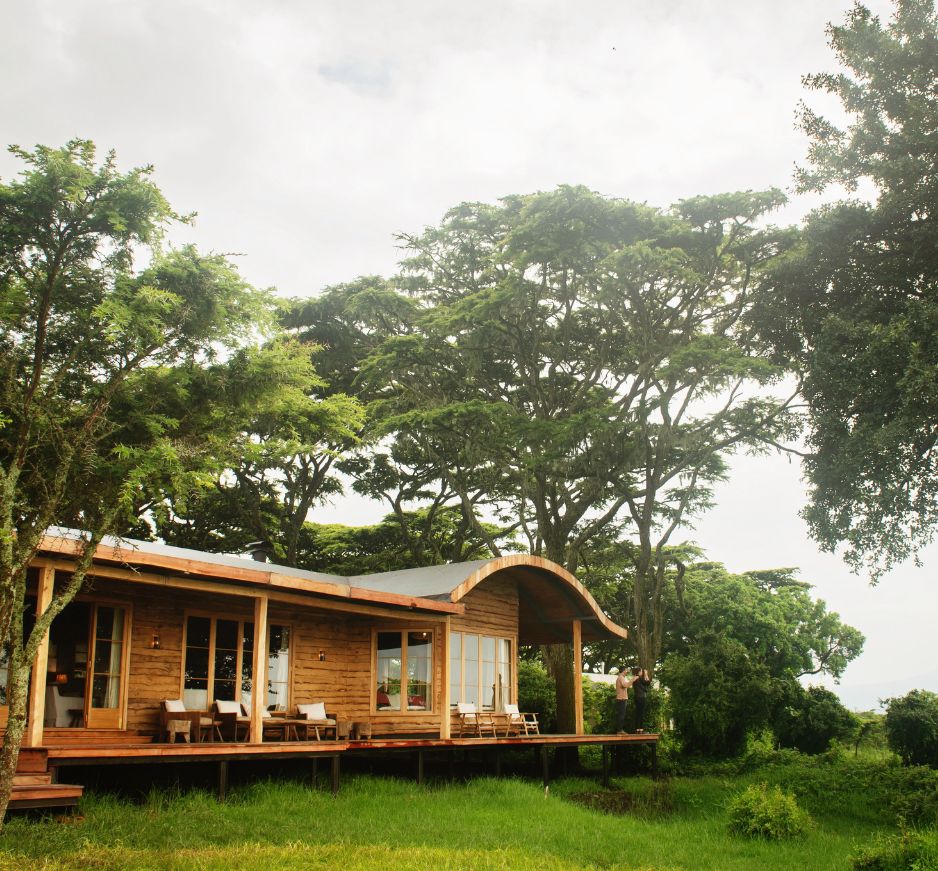
Lodge Exterior, LABA Siwandu, Nyerere National Park, Tanzania
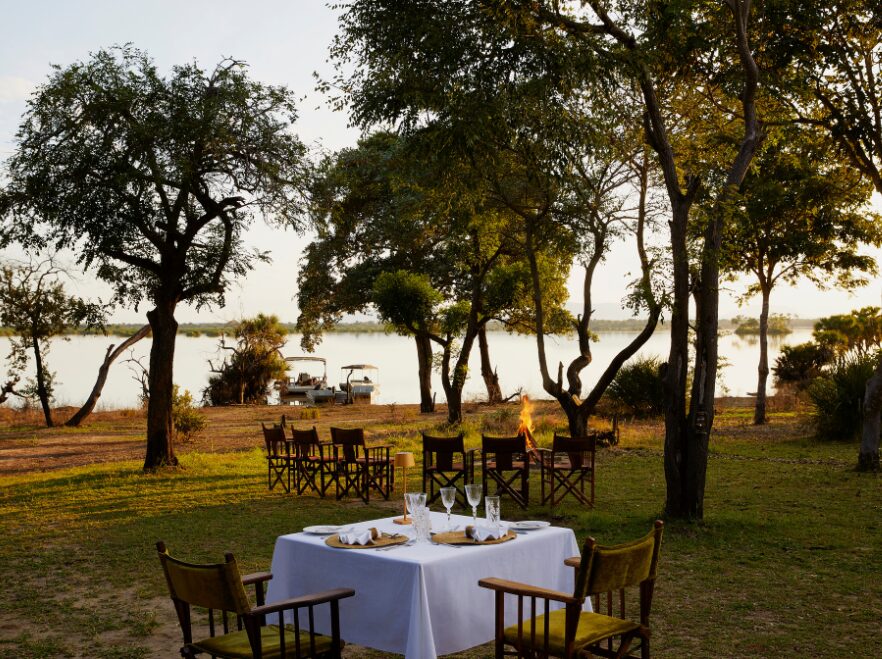
Outside dining, LABA Siwandu, Nyerere National Park, Tanzania
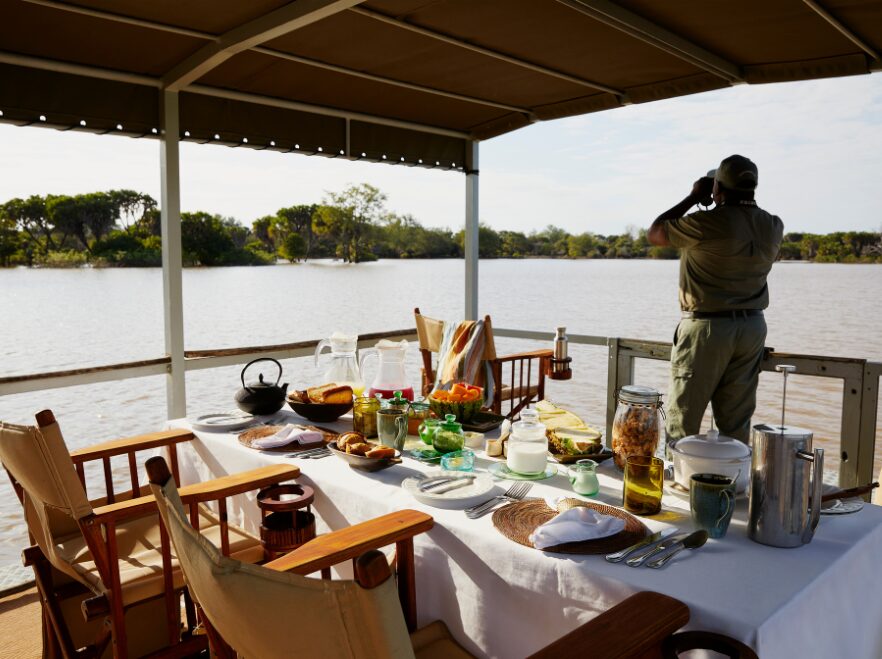
Boat safari, LABA Siwandu, Nyerere National Park, Tanzania
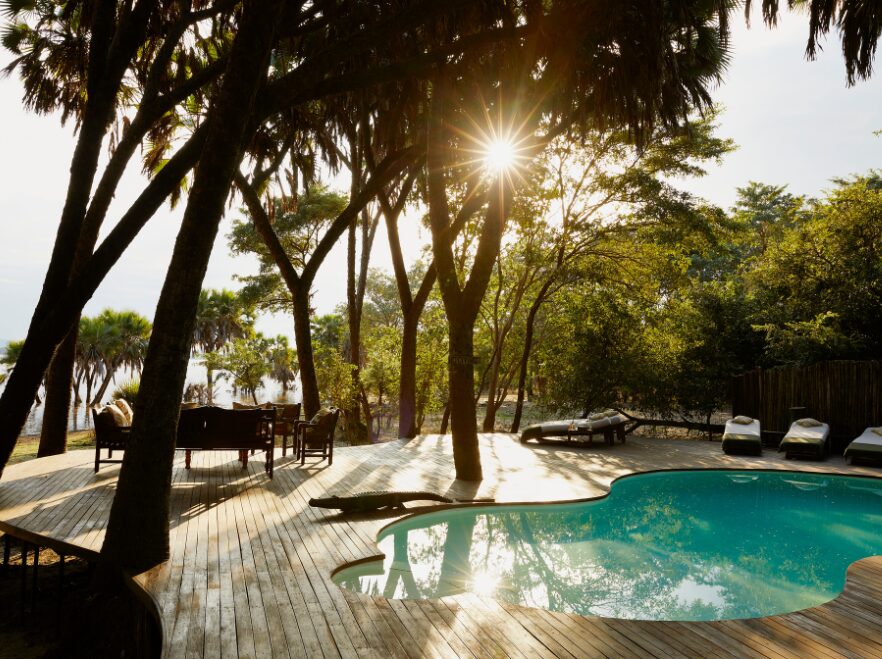
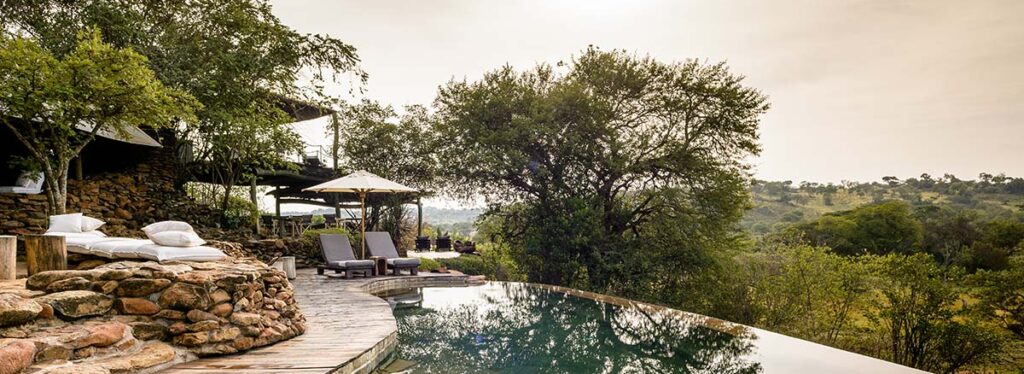
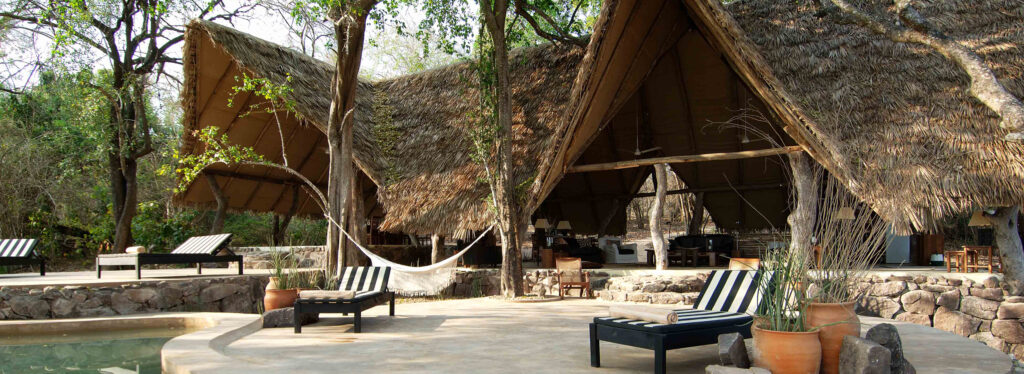
Swimming Pool, LABA Siwandu, Nyerere National Park, Tanzania
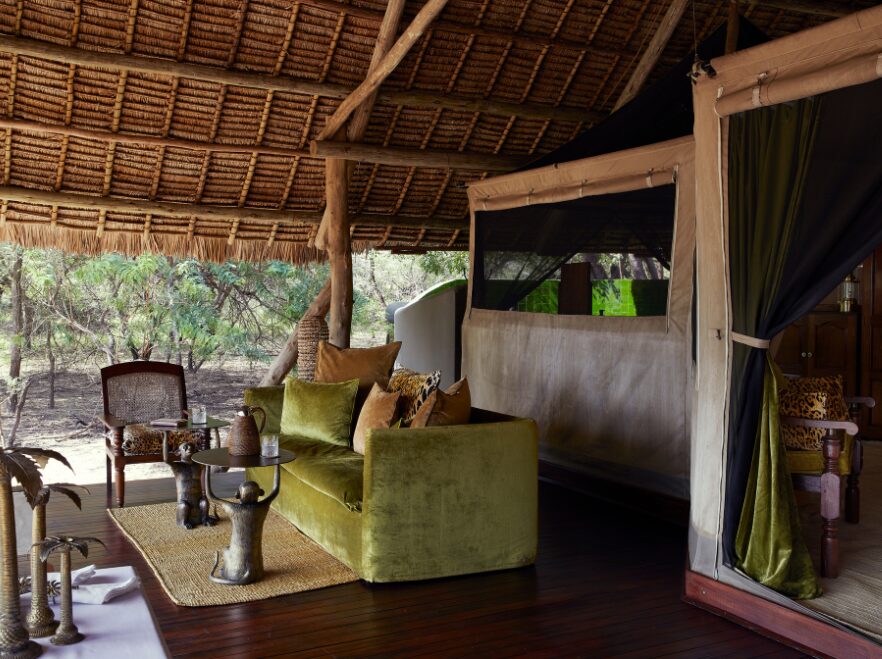
Private deck, LABA Siwandu, Nyerere National Park, Tanzania
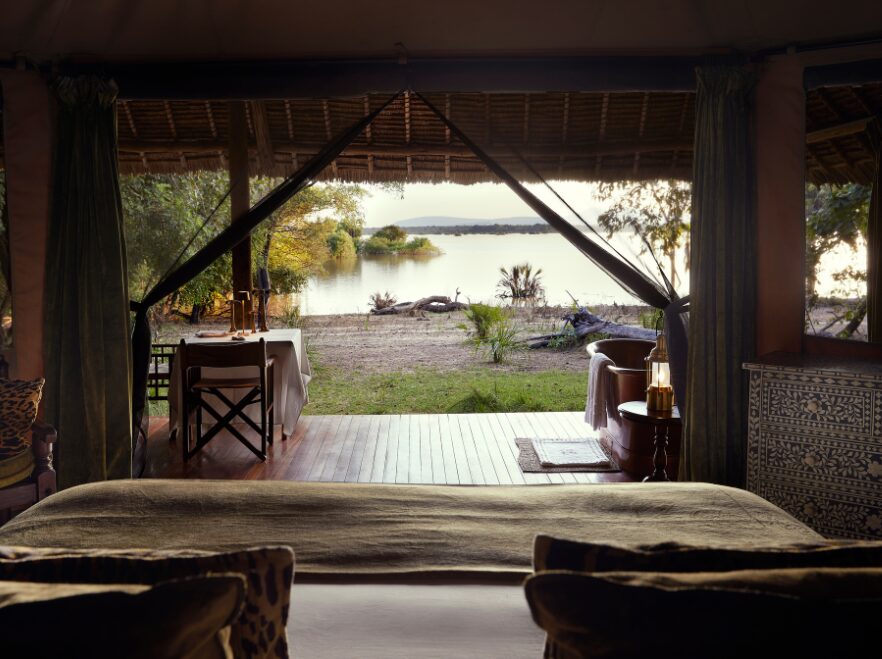
Tented Suite, LABA Siwandu, Nyerere National Park, Tanzania
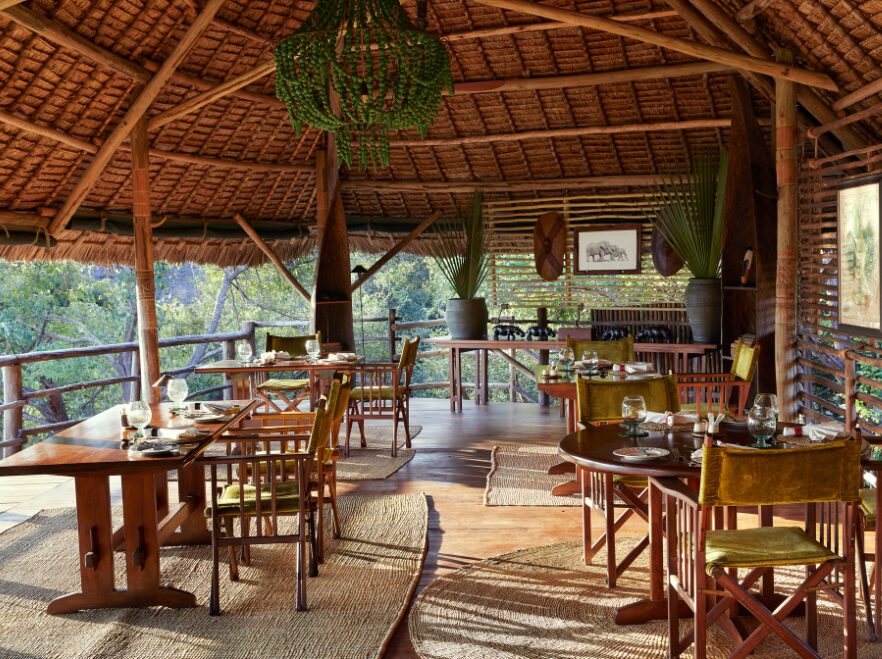
Upstairs dining, LABA Siwandu, Nyerere National Park, Tanzania
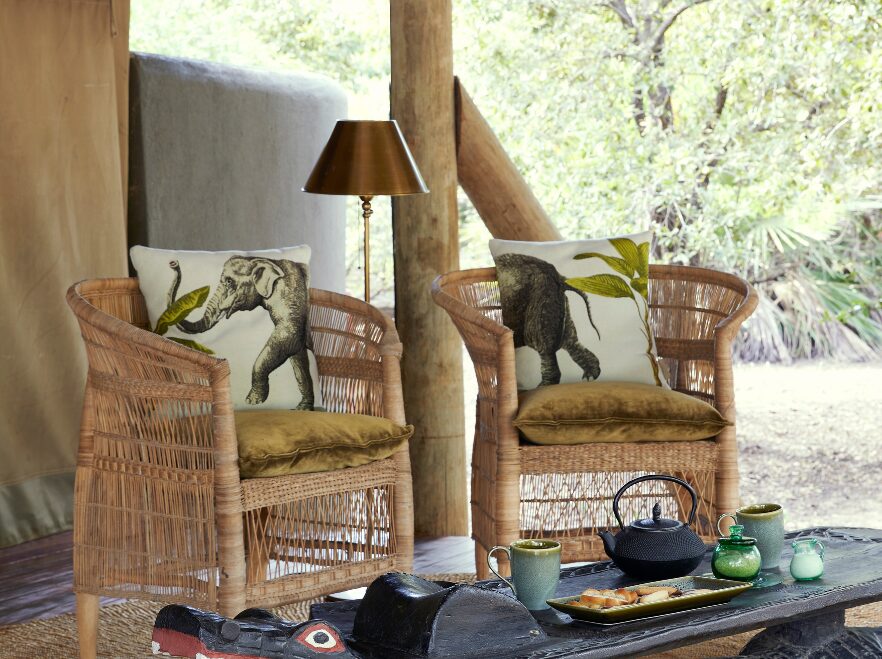
Private deck, LABA Siwandu, Nyerere National Park, Tanzania
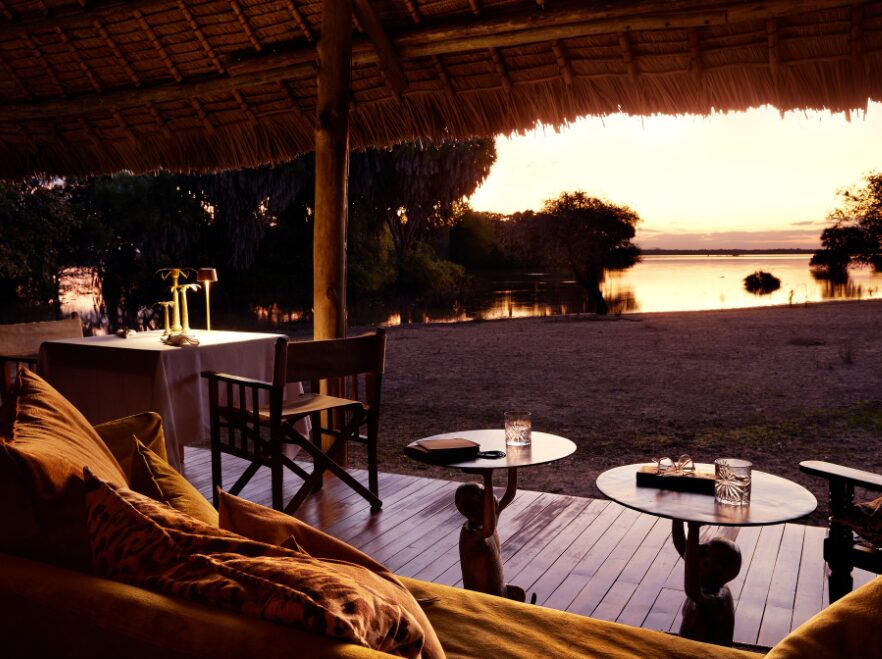
Decking, LABA Siwandu, Nyerere National Park, Tanzania
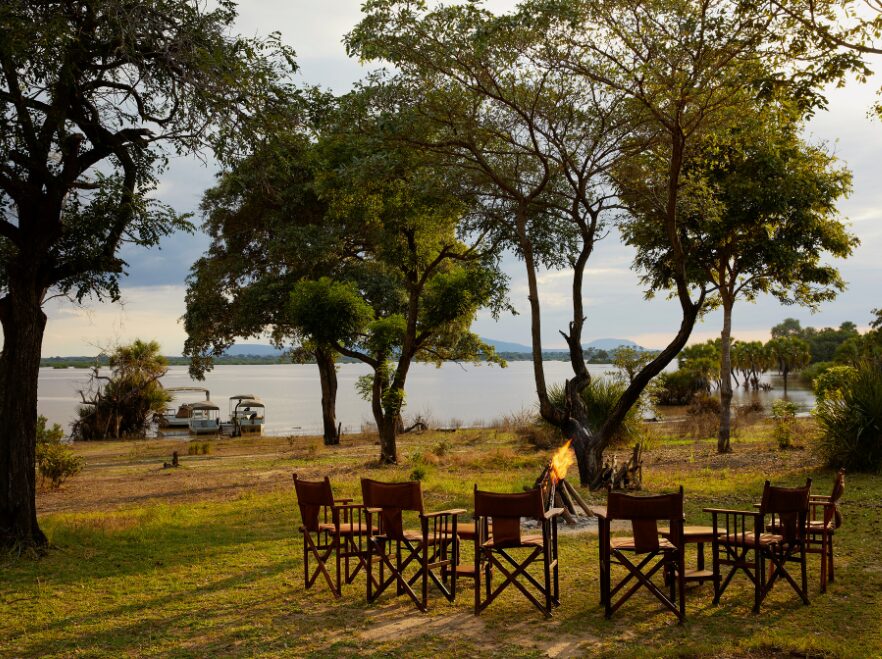
Campfire looking over the water, LABA Siwandu, Nyerere National Park, Tanzania
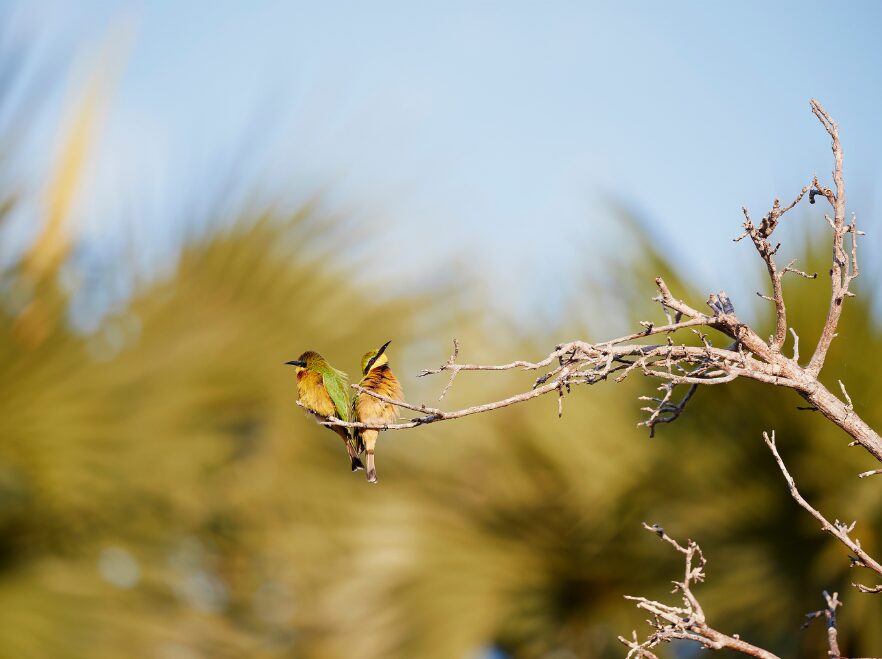
Birdlife, LABA Siwandu, Nyerere National Park, Tanzania
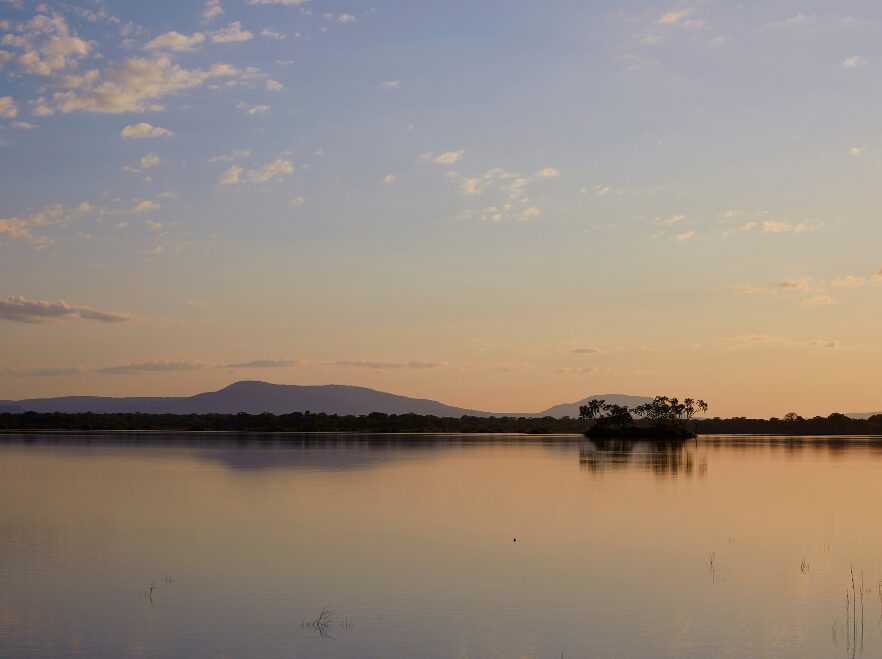
Lake Nzelekela, LABA Siwandu, Nyerere National Park, Tanzania
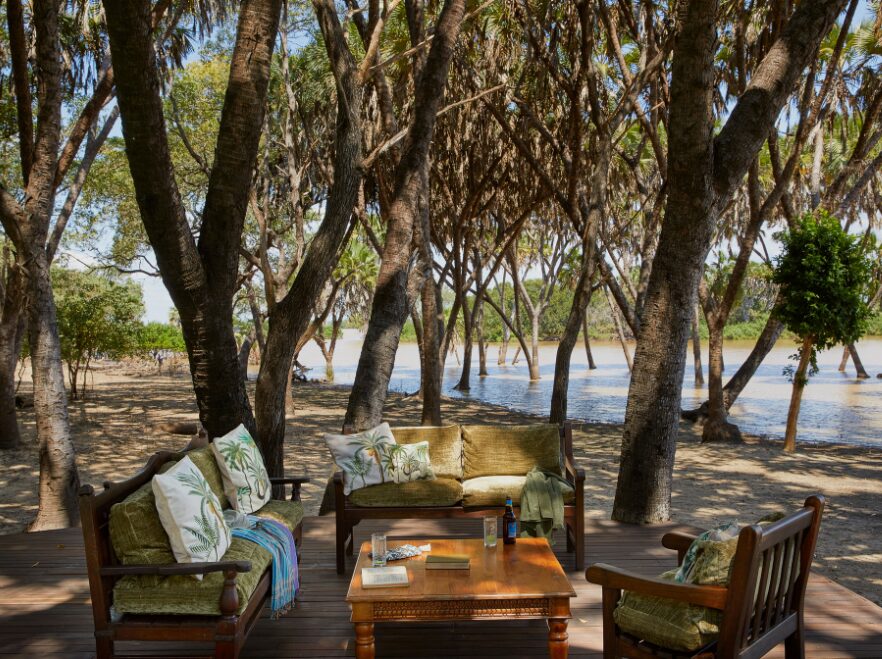
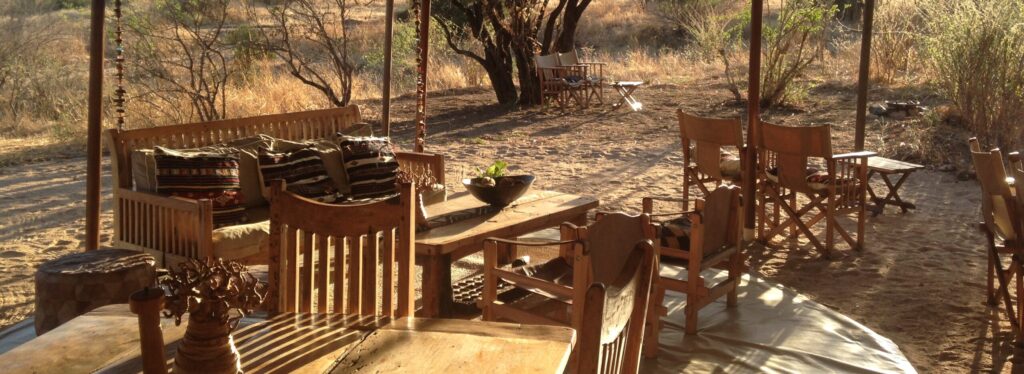
Outside Lounge, LABA Siwandu, Nyerere National Park, Tanzania
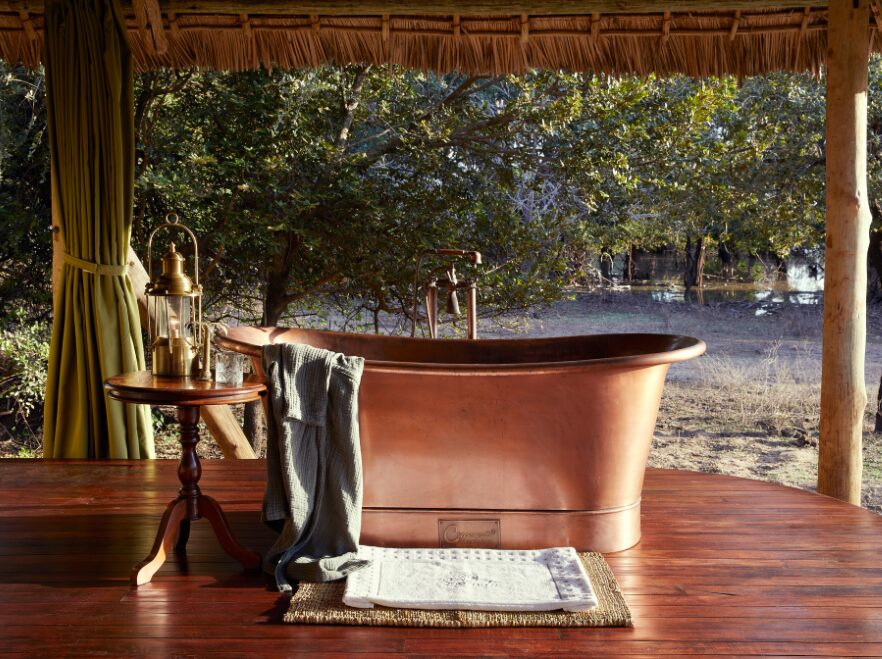
Outside bathtub, LABA Siwandu, Nyerere National Park, Tanzania
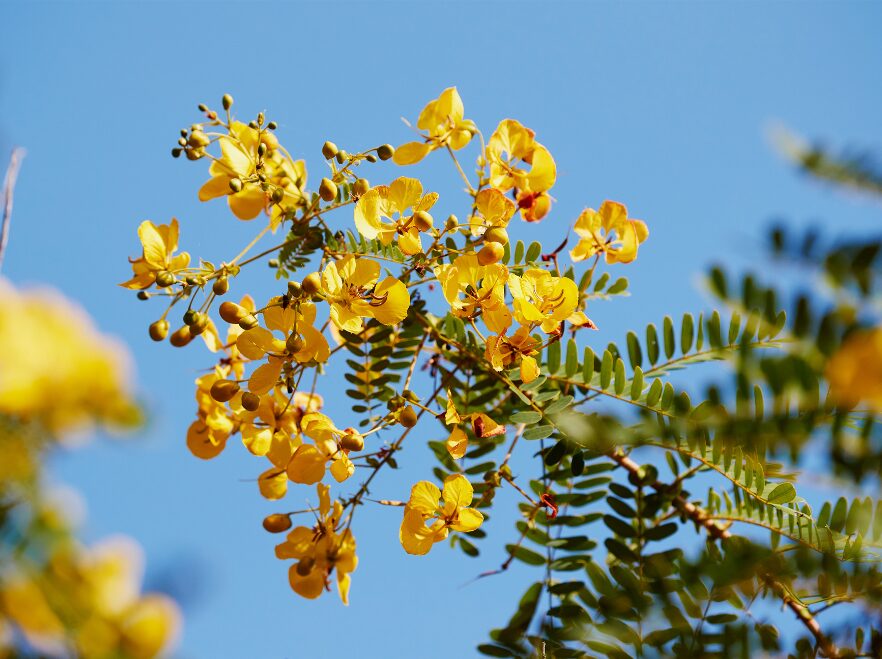
LABA Siwandu, Nyerere National Park, Tanzania
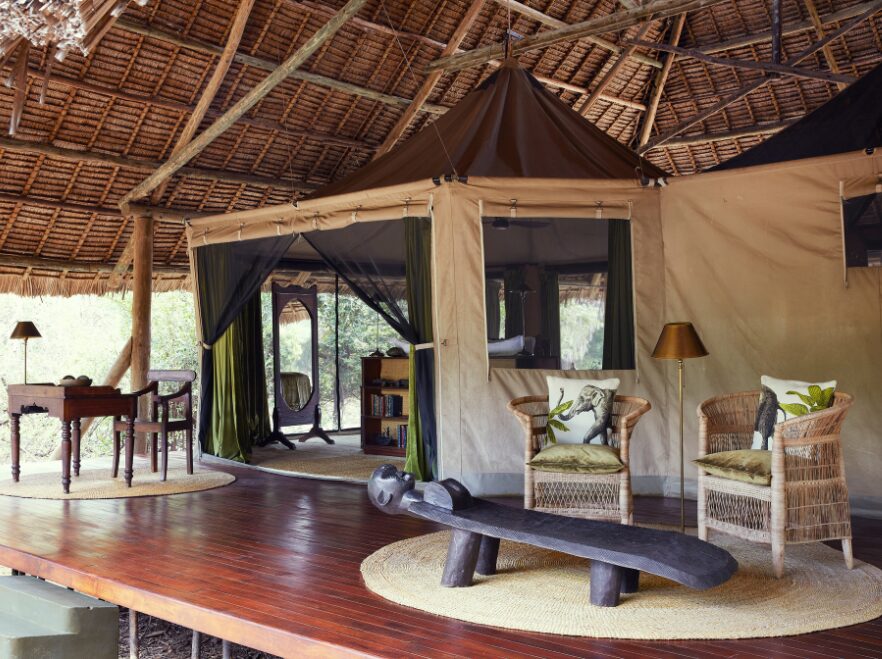
Private deck, LABA Siwandu, Nyerere National Park, Tanzania
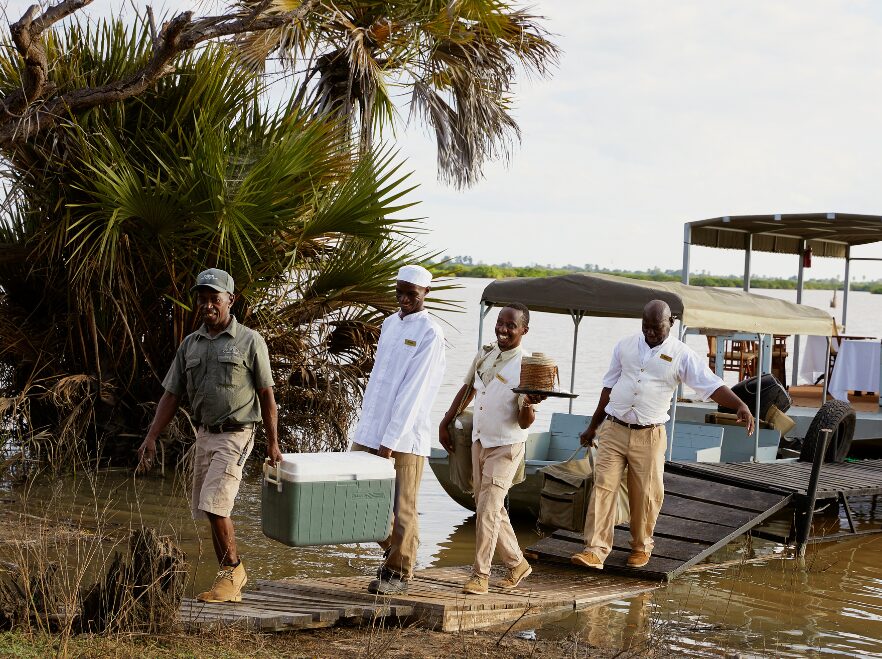
Boat safari, LABA Siwandu, Nyerere National Park, Tanzania
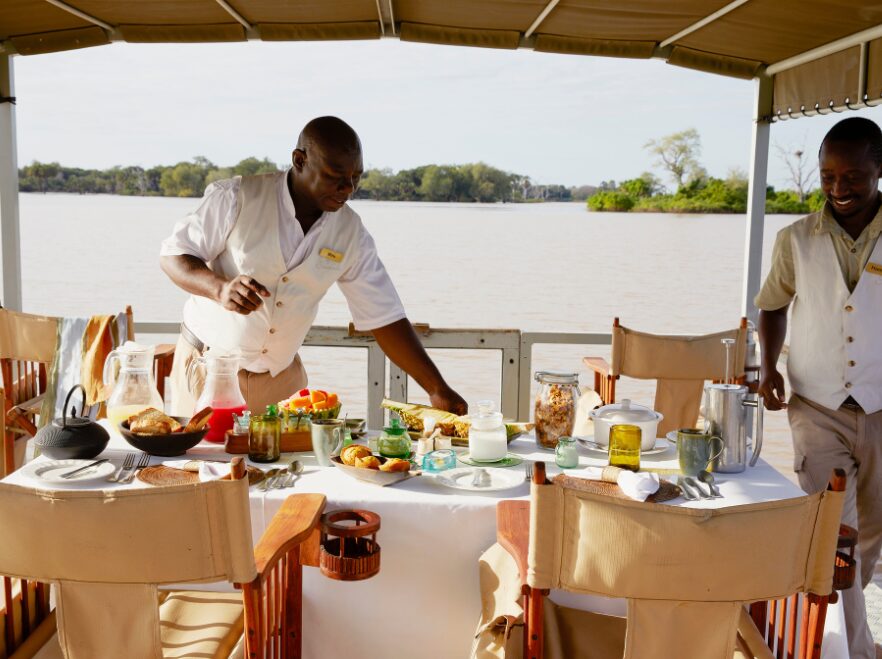
Boat safari, LABA Siwandu, Nyerere National Park, Tanzania
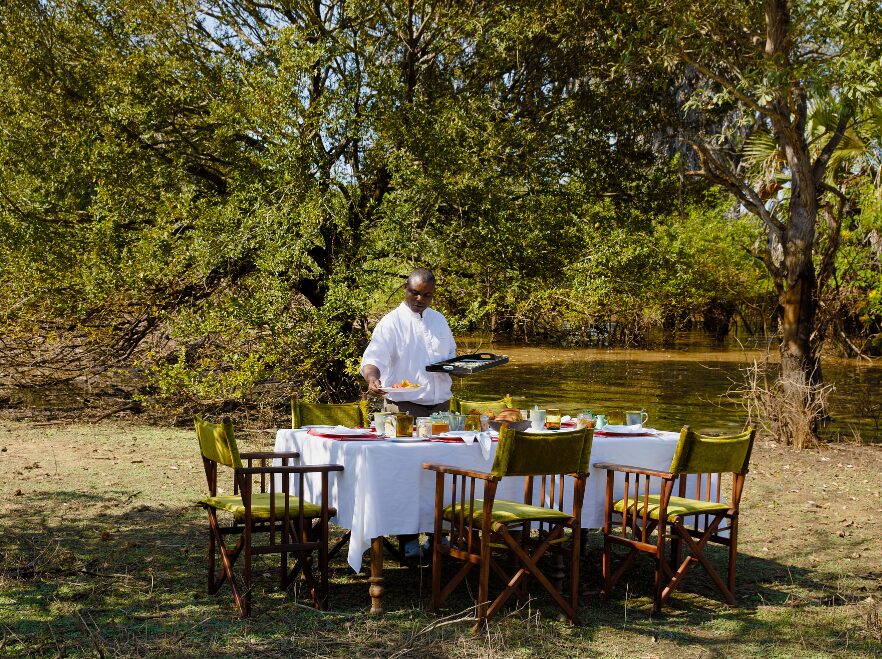
Bush dining, LABA Siwandu, Nyerere National Park, Tanzania


Luxury Tanzania trip ideas
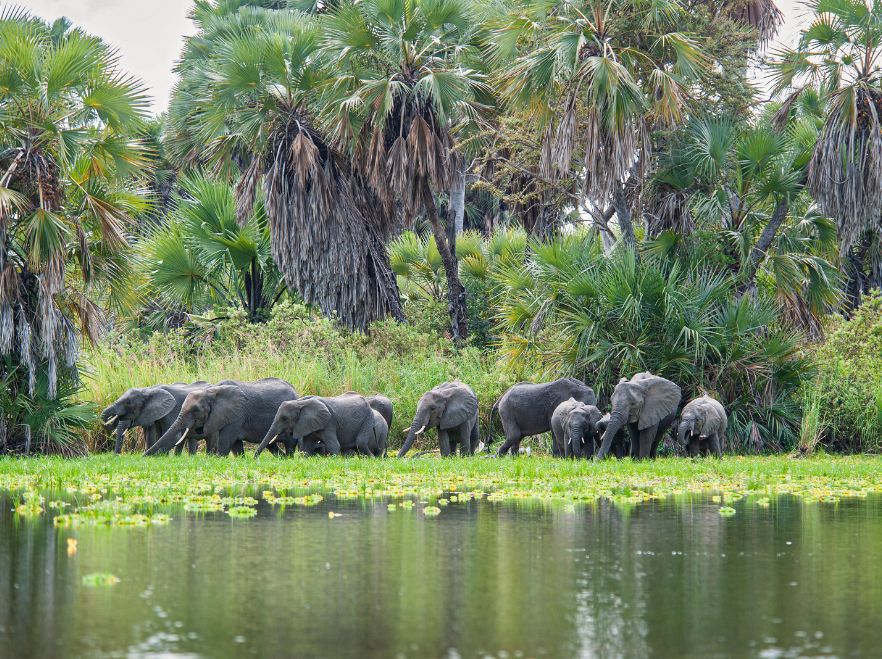
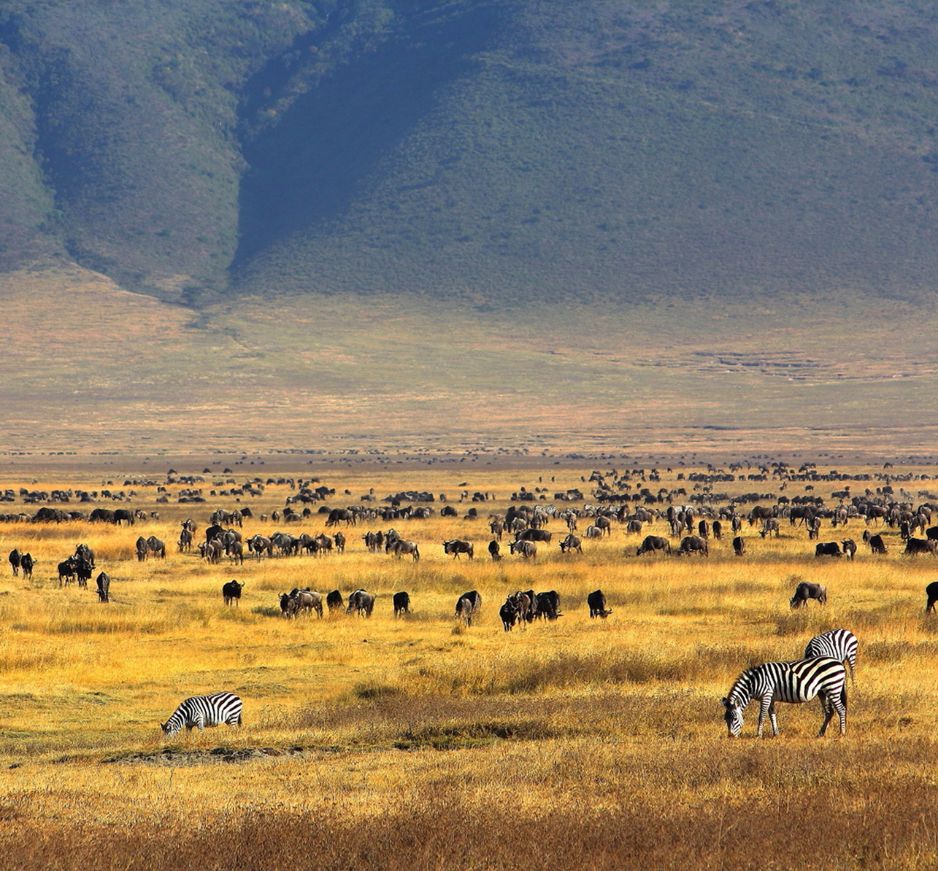
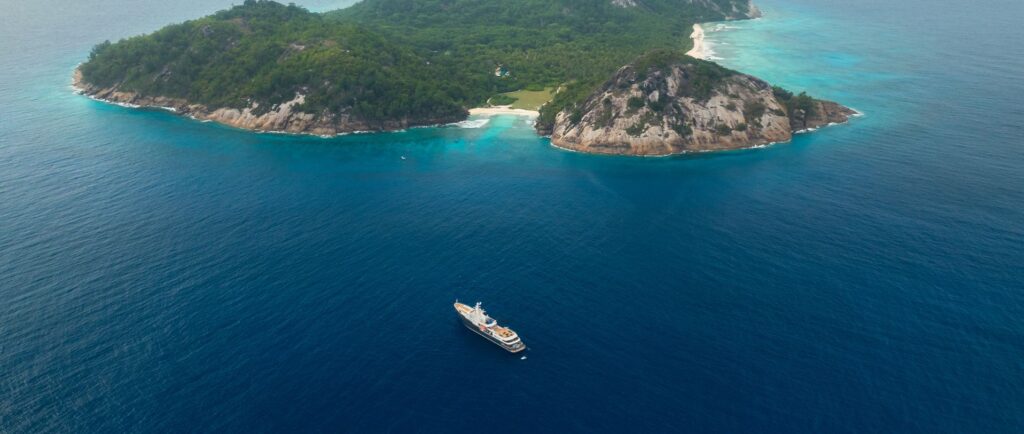
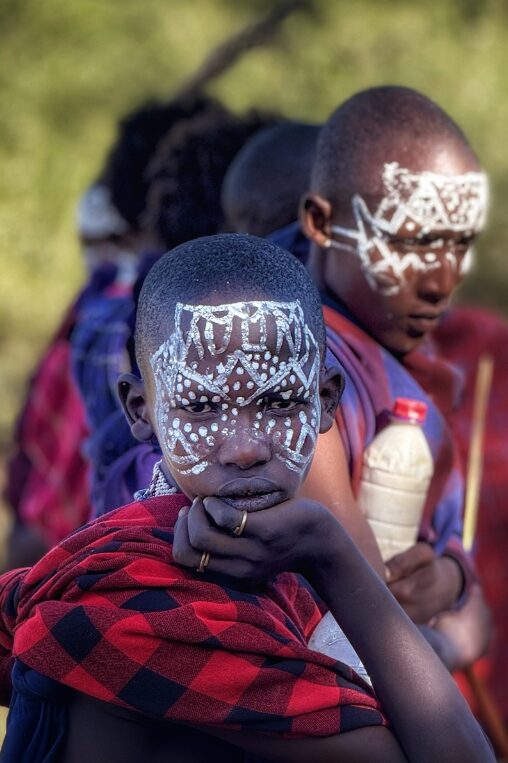
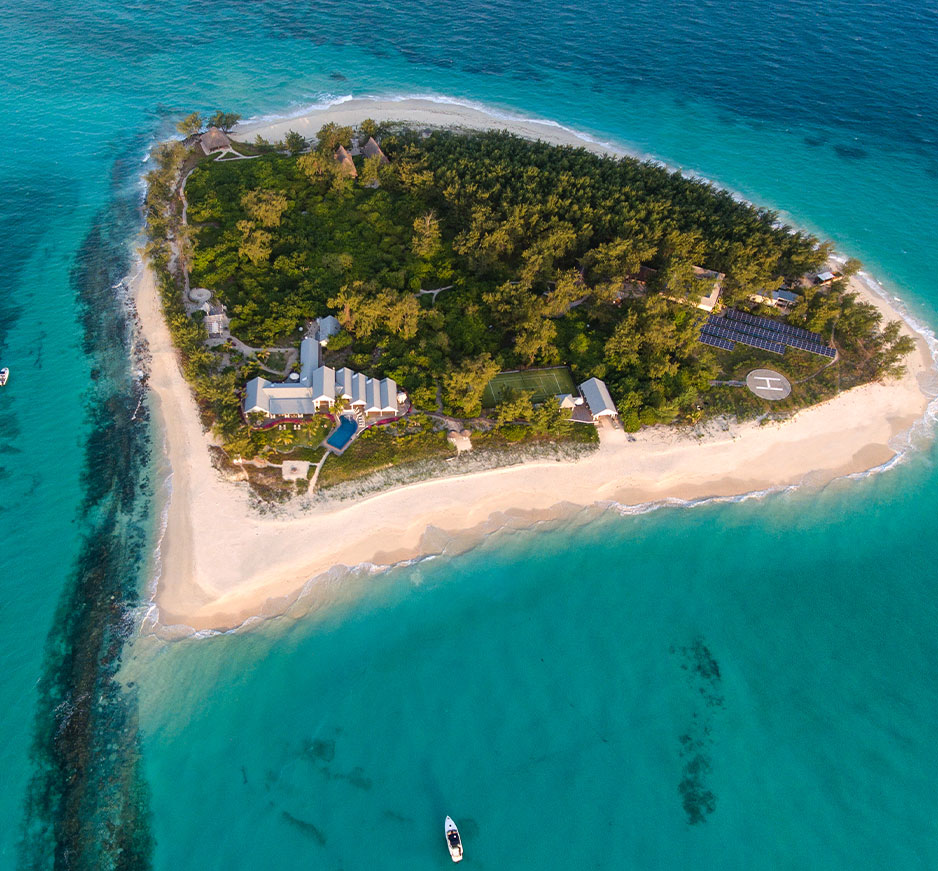

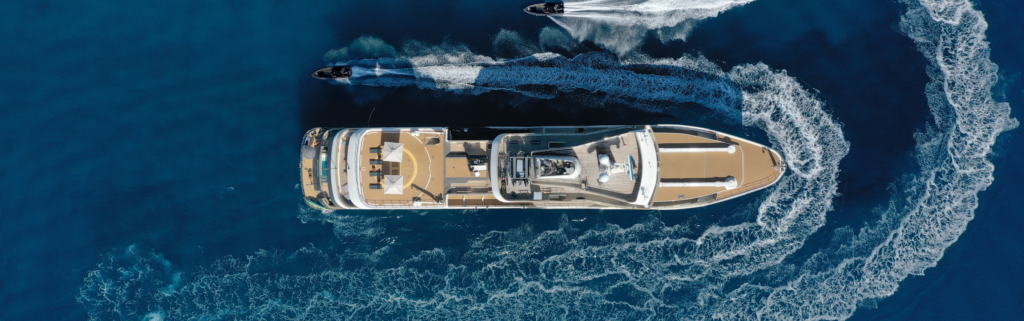
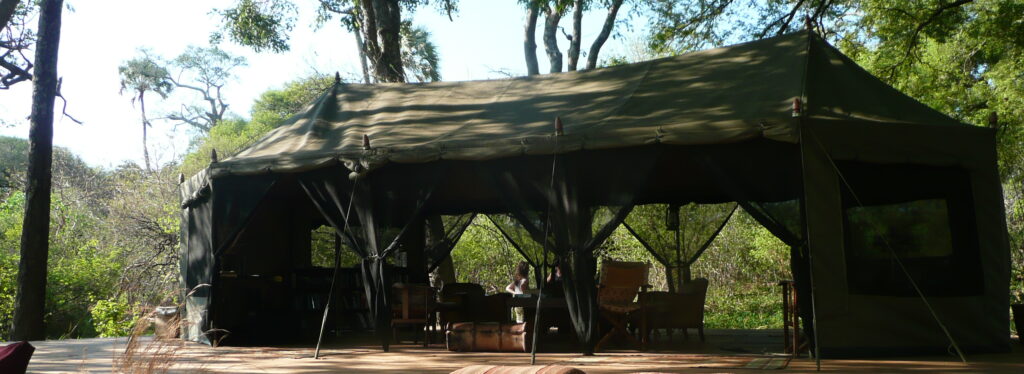
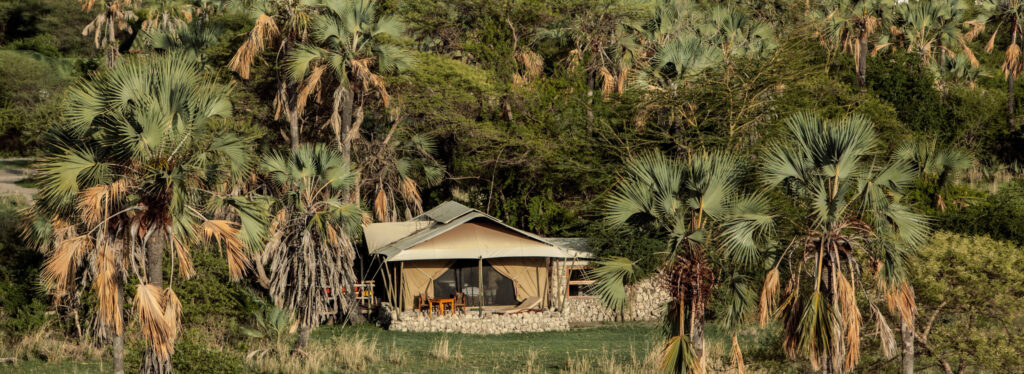
Top Luxury Hotels + Lodges In Tanzania
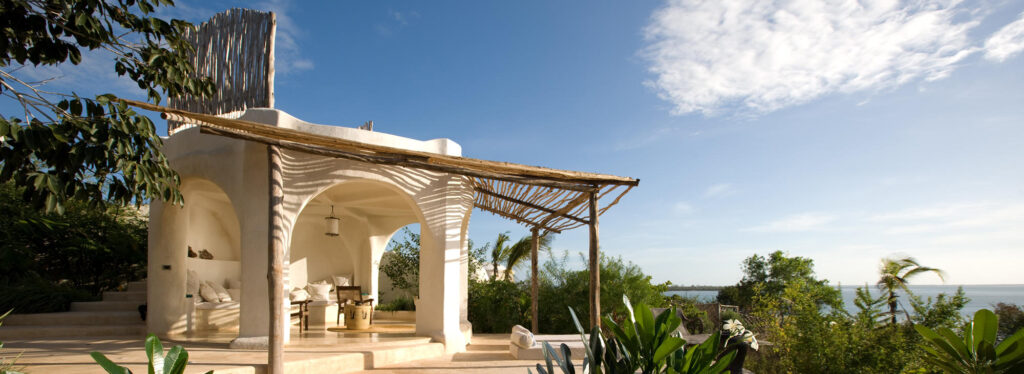
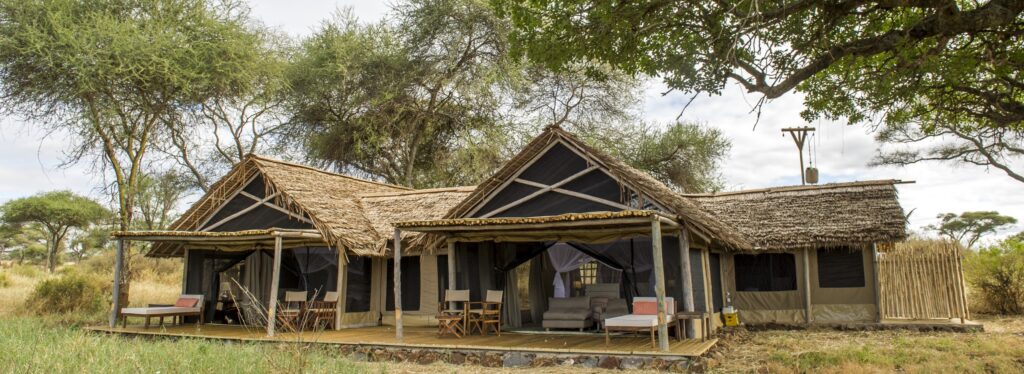
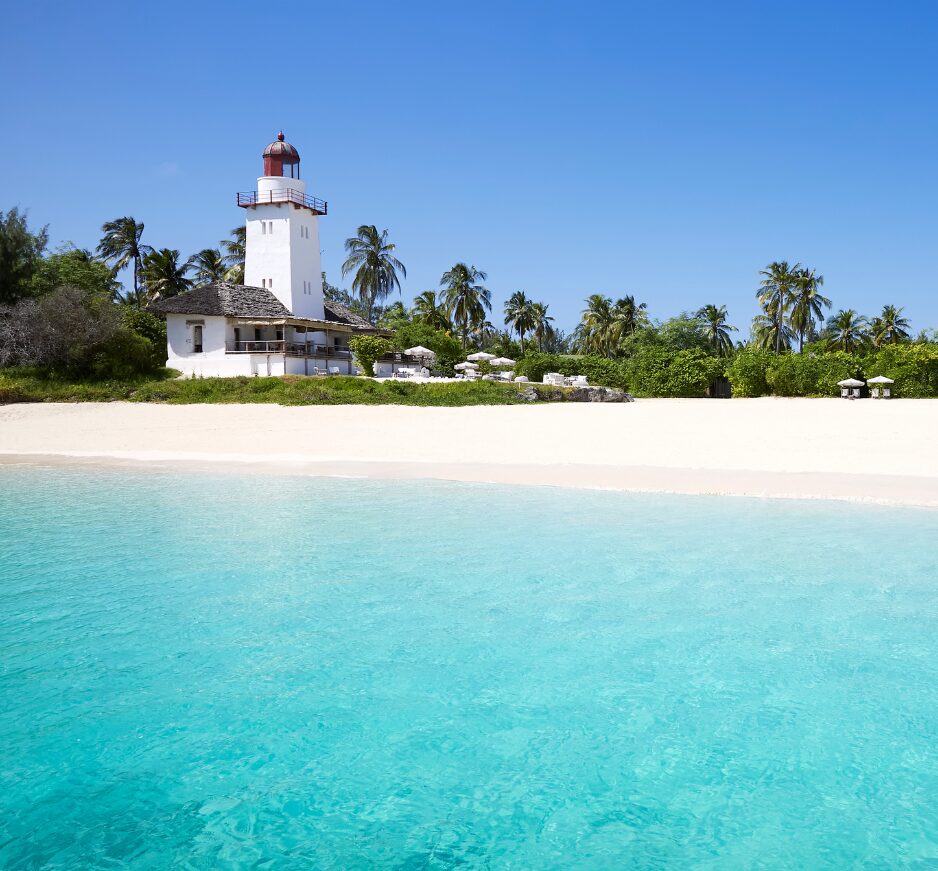
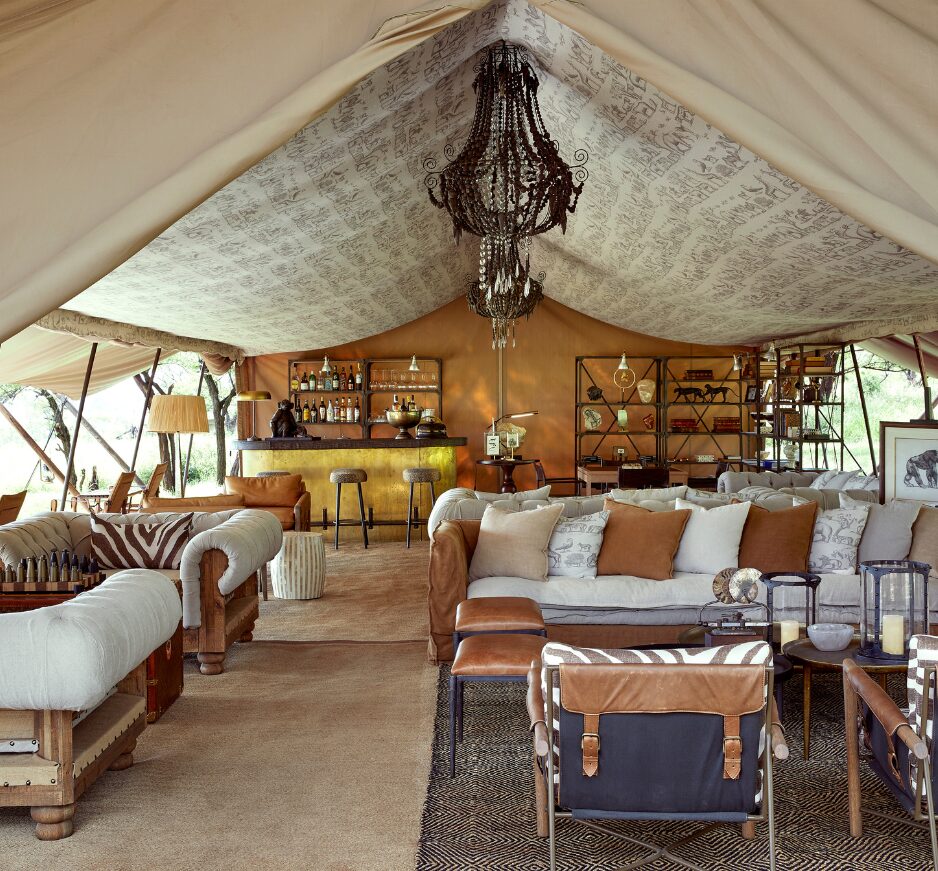
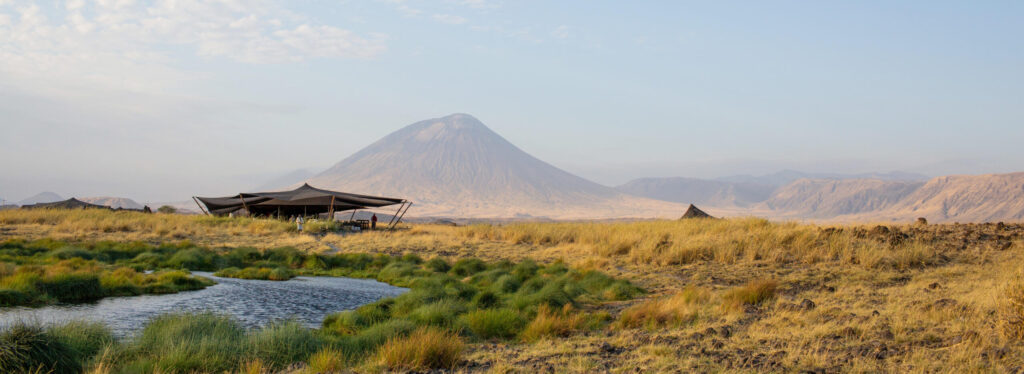
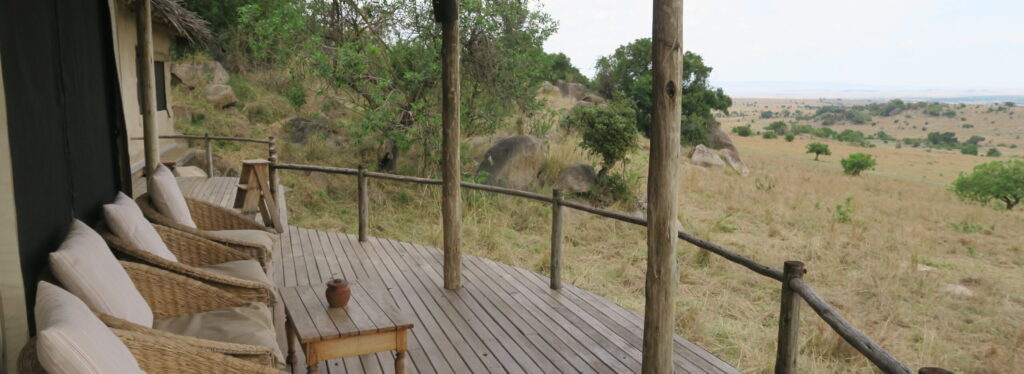
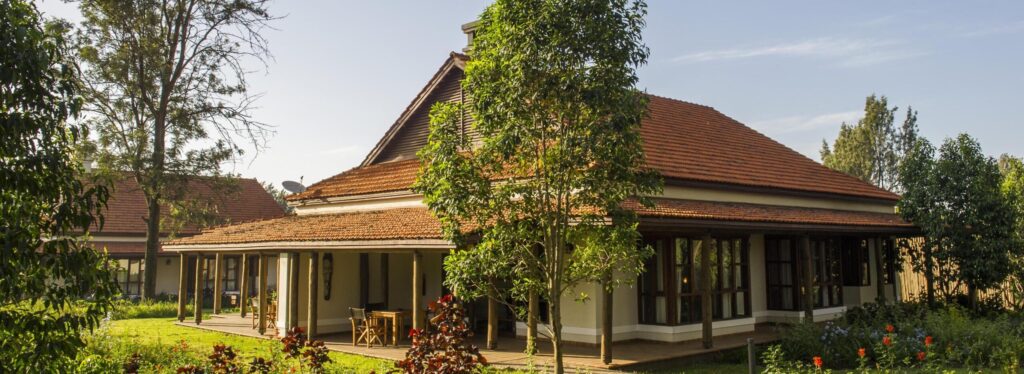
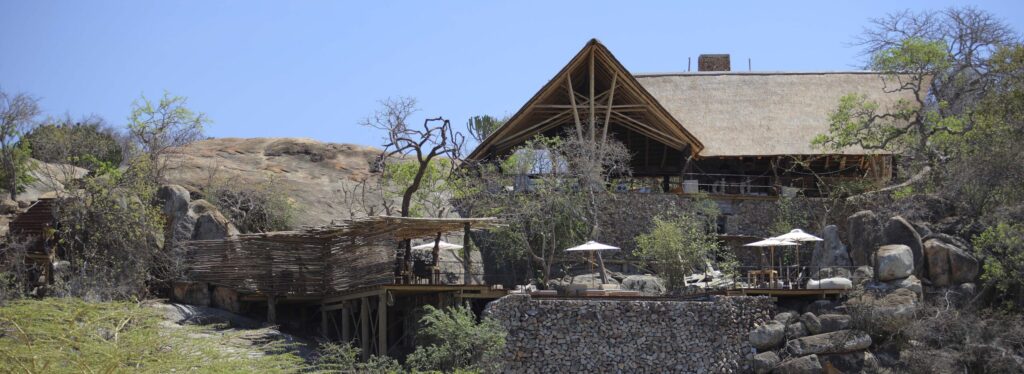
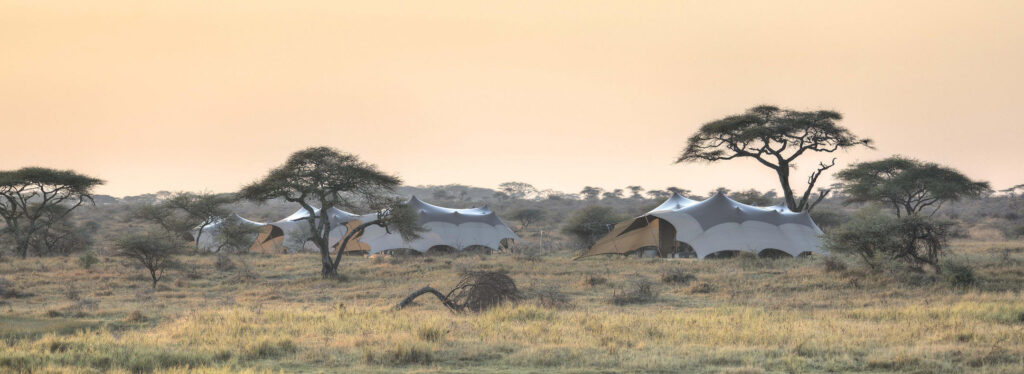
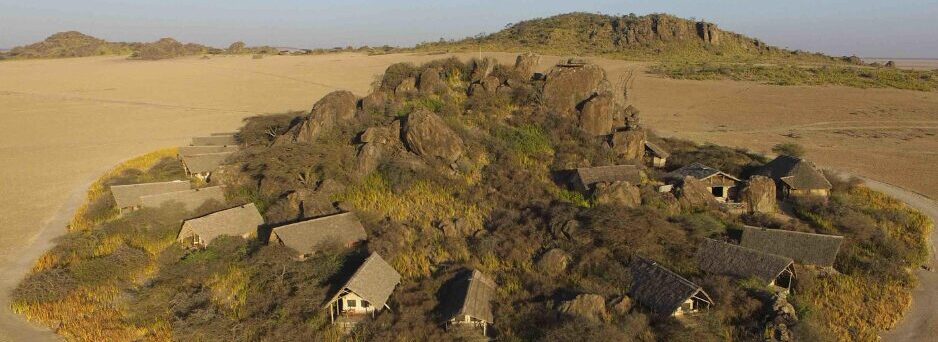
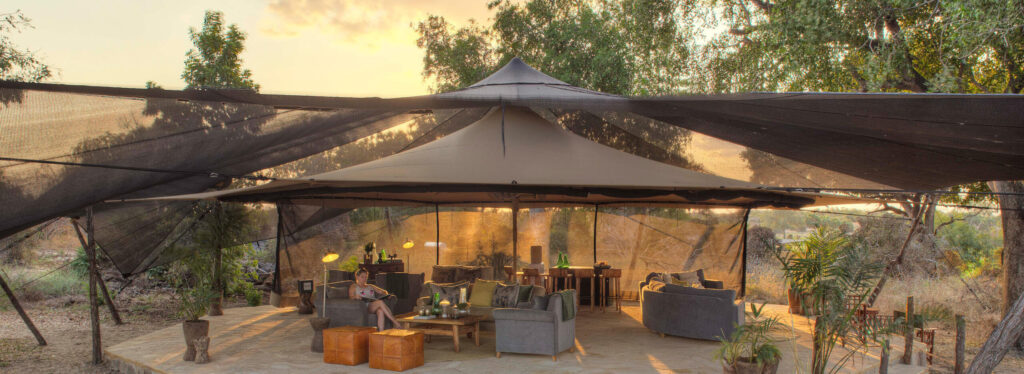
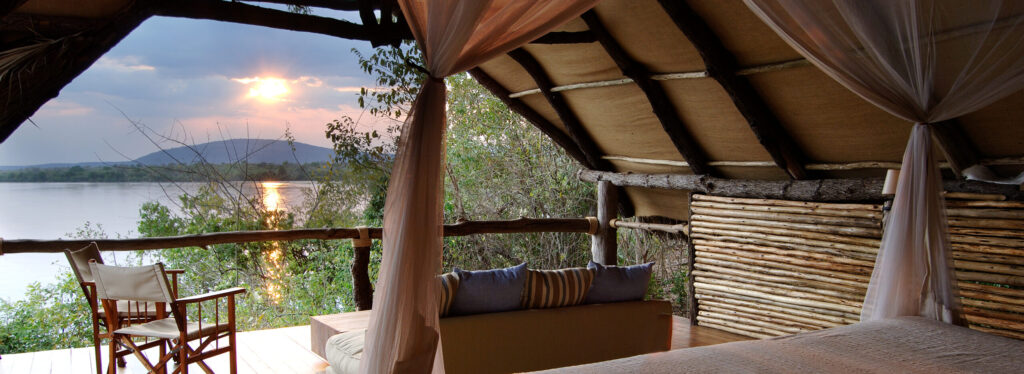

Good to know
How to get there?
To get to LABA Siwandu, you first fly into Dar es Salaam Airport (DAR), where you connect onto a domestic safari flight into one of the airstrips in Nyerere National Park. The most commonly used is Mtemere Airstrip, the main entry point for Siwandu. The flight from Dar es Salaam operates daily and takes approximately 45 minutes.
On arrival, you will be met by your driver and transferred to LABA Siwandu. The journey takes around one hour, travelling through the park to reach the camp on the shores of Lake Nzerakera.
Are children welcome?
Children ages six and above are welcome at LABA Siwandu, however only children over the age of 16 are able to take part in the walking safari for safety reasons.
Giving back
Laba Laba commits a significant share of its income to conservation and community work in Tanzania. Around 30% of profits are directed towards environmental protection and humanitarian projects. A particular focus is placed on children with disabilities, alongside wider support for conservation across key ecosystems. The aim is to link hospitality with long-term, practical impact on the ground.
A core humanitarian initiative is the funding of the first care centre for children with disabilities in Iringa. The centre provides medical care, physiotherapy, and support for parents to strengthen daily care and interaction. Laba Laba also funds 100% of staff salaries. The long-term goal is to expand similar centres across other regions of Tanzania as resources grow.
Conservation work includes anti-poaching support in Ruaha National Park. This includes the donation of drone technology with thermal capability, ranger training, and support for park logistics and vehicle maintenance. The company also works with TANAPA to improve underused areas such as Maji Moto hot springs, helping to increase ranger presence and reduce illegal activity through regular monitoring.
Marine conservation is a major focus at Fanjove Island. Fishing zones are carefully managed with strict no-fishing areas close to shore, allowing coral and marine life to recover. In partnership with local fishing communities, seasonal controls on octopus fishing have led to stronger long-term catches and healthier lagoon ecosystems. Future plans aim to expand protection further and develop a fully protected marine area, alongside wider conservation and education projects across Tanzania.
What wildlife can you expect to see?
You can expect large herds of game, including African elephant, African buffalo, giraffe, and different antelope species such as impala and waterbuck. The lake and river edges are especially active, with regular sightings of hippopotamus and Nile crocodile.
Predators are present but more elusive. You may see lion on early drives, and occasionally leopard in denser riverine woodland. African wild dog are also found in the wider ecosystem, though sightings are less frequent and more fortunate.
Birdlife is strong year-round, especially around the water. Fish eagles, kingfishers, storks, and herons are commonly seen, alongside seasonal migratory species. The mix of river, lake, and woodland habitats means sightings change with the time of day, giving each drive and boat safari a slightly different focus.
