

- 10 Days
- TBC PP SHARING EXC. FLIGHTS
- 14-16 People
- 26 Sept 2027 Departure
About this trip
Step beyond the familiar and discover a South Korea where ancient heritage and contemporary culture exist side by side, from centuries-old palaces and temples to cutting-edge galleries, creative neighbourhoods and the vibrant energy of Seoul and Busan.
From the royal palaces and artistic scene of Seoul to the ancient Silla capital of Gyeongju and the coastal character of Busan, this small group trip brings together some of the country’s most fascinating places and experiences. Explore historic sites with expert guides, visit leading galleries and museums, discover traditional tea culture, delve into the history of the Korean Peninsula at the DMZ and experience the country’s extraordinary culinary traditions.
Along the way, there is time to look beyond the major sights, with visits to historic hanok houses, family estates and creative spaces, as well as opportunities to experience contemporary Korean culture through art, food and even K-pop. Staying in carefully chosen hotels and travelling between cities by high-speed train, this trip combines cultural discovery, memorable experiences and the chance to see the many different sides of South Korea.
Interested in joining us on this special small group trip to South Korea? Register your interest below and we’ll be in touch with more details about the itinerary, dates and availability.

Itinerary Highlights
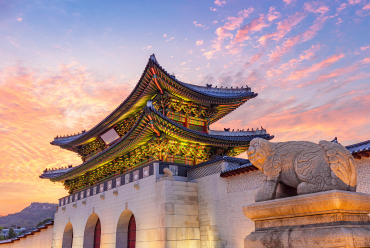
Visiting Gyeongbokgung Palace with a specialist guide is a wonderful introduction to Korea’s royal heritage. Built in the 14th century, the palace was the principal royal residence of the Joseon dynasty and remains one of Seoul’s most important historic sites. As you explore its grand courtyards, ornate pavilions and tranquil gardens, your guide will bring the palace’s history and traditions to life
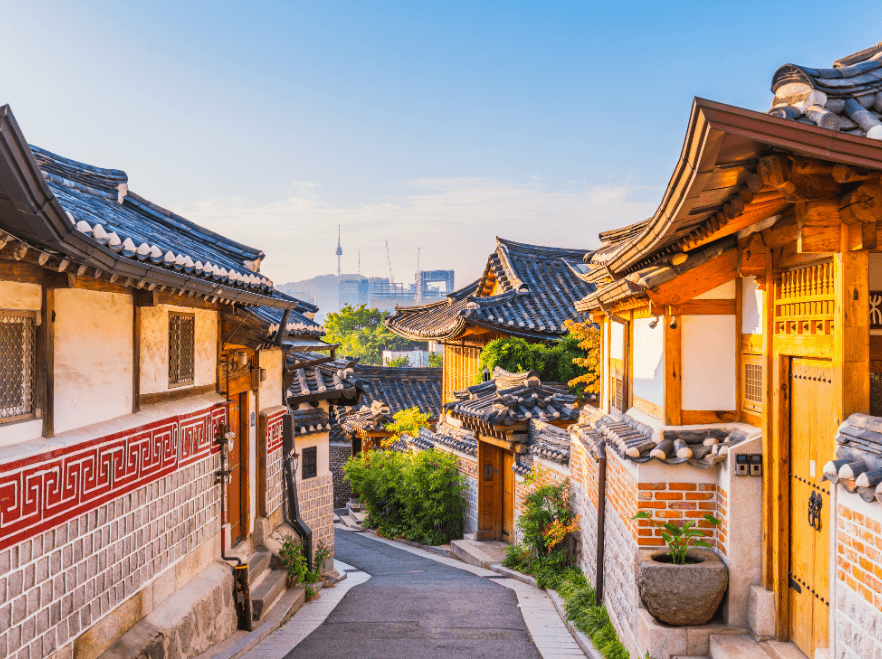
Bukcheon Hanok Village is the perfect destination for those seeking to learn about and enjoy the beauty of Hanok (traditional Korean-style house). Afterwards, a visit is arranged to Jogyesa Temple which is the main temple as well as the district head temple of Jogye order in Seoul, the centre of Korean Buddhism.
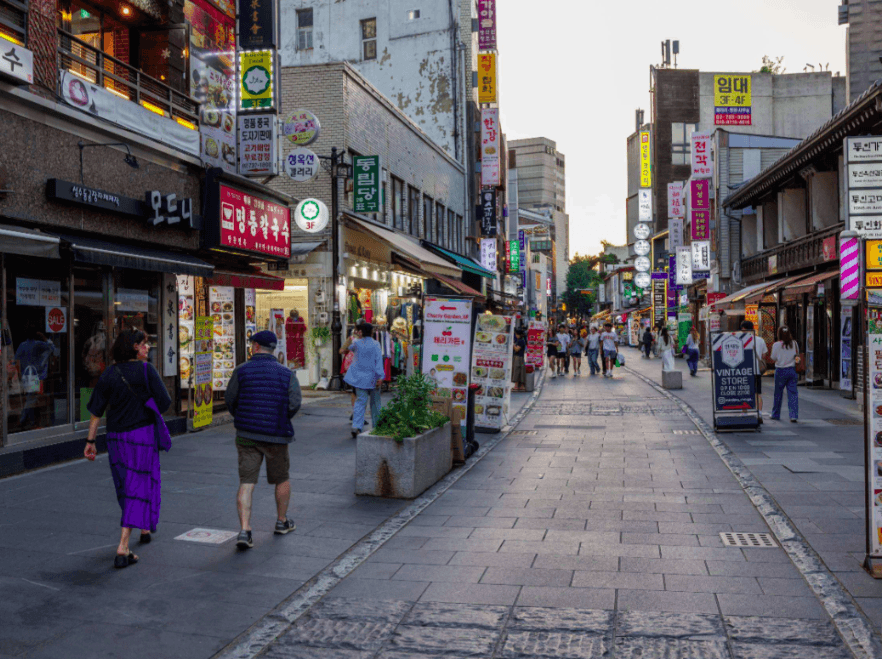
A visit to Insadong offers a wonderful introduction to Seoul’s traditional side, where historic architecture, galleries, craft shops and tea houses sit alongside lively streets and modern cafés. Wander along the atmospheric lanes, browsing Korean ceramics, antiques, calligraphy and traditional handicrafts, with time to explore some of the neighbourhood’s independent galleries and boutiques. The area is particularly known for its connection to Korean art and culture, and a chance to soak up the city’s heritage while experiencing the energy of contemporary Seoul.
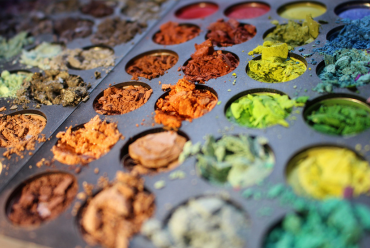
Discover one of South Korea’s favourite beauty trends with a personal colour session, where an expert consultant will identify the shades that best complement your natural colouring. Using a series of colour swatches, you’ll explore the tones that work best for you, from clothing and accessories to make-up. It’s a fun, very Korean experience that offers insight into the country’s fascination with beauty, style, and personal presentation.

Step into the world of K-pop with a fun makeover and photography session inspired by Korea’s vibrant entertainment scene. With professional hair, make-up and styling, you’ll be transformed for the camera before heading into a studio for a series of photographs. It’s a playful way to experience the creativity and glamour of contemporary Korean pop culture, with plenty of opportunities to take home some memorable shots.
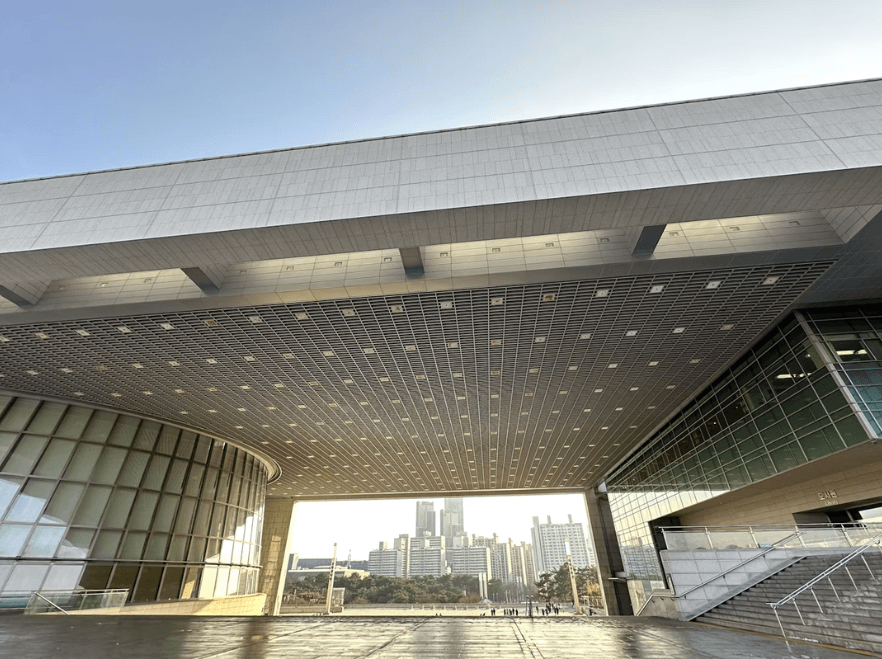
Visit the National Museum of Korea to explore the country’s history and artistic traditions, from prehistoric settlements to the Joseon dynasty. Discover ancient gold crowns, Goryeo celadon ceramics, Buddhist sculptures and traditional paintings, gaining an insight into Korea’s changing beliefs, craftsmanship and cultural life across thousands of years.
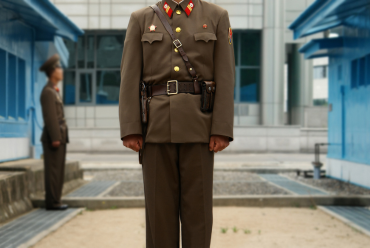
Visit the Demilitarised Zone (DMZ) with a specialist local guide who can share personal memories and first-hand insight into Korea’s division. Visit Imjingak Park, the Freedom Bridge, the 3rd Infiltration Tunnel and Dora Observatory, learning about the history of the Korean War and the lasting impact of the border on life in Korea today.
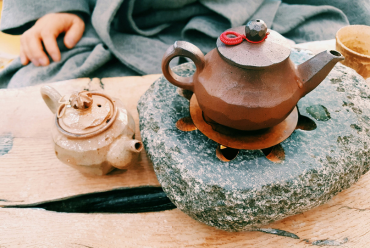
Experience Korea’s traditional tea culture with a private tea ceremony held in a beautifully preserved hanok. Guided by a tea master, you’ll learn about the history and philosophy of Korean tea, as well as the etiquette and traditions around preparing and serving it. You’ll be shown how to prepare and serve a selection of premium seasonal teas, following the traditional rituals. Set inside a peaceful traditional wooden home, this is a chance to take a break from the busy city while learning more about Korean hospitality, mindfulness and centuries-old tea traditions.
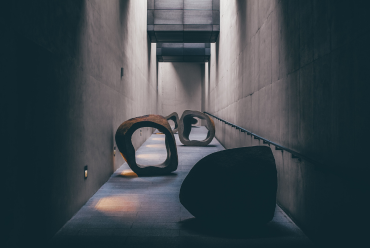
Explore Seoul’s thriving contemporary art scene with a visit to the galleries of Hannam-dong and the renowned Leeum Museum. Discover a fascinating mix of Korean and international artists, from traditional works to bold contemporary pieces, while gaining a sense of the city’s creative energy and growing influence on the global art world.
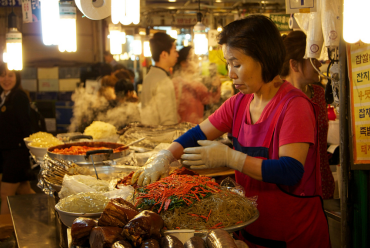
Dive into Seoul’s lively food scene at Gwangjang Market, one of the city’s oldest and most atmospheric markets. Wander through the busy stalls with your guide, sampling Korean favourites and discovering the flavours, ingredients and traditions that make Seoul such an exciting food destination.
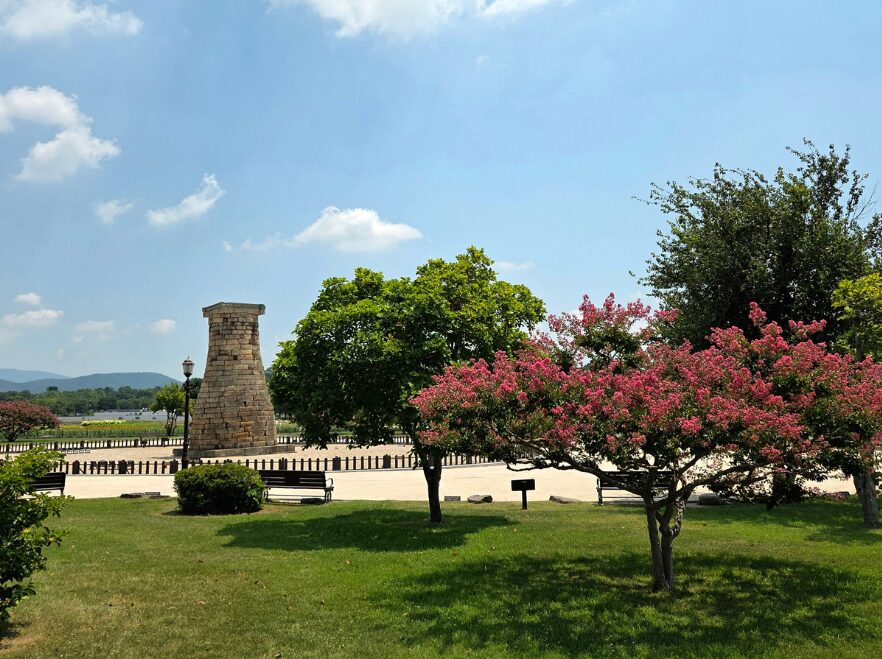
Explore Cheomseongdae with a private guide and discover one of East Asia’s oldest surviving astronomical observatories. Built during the Silla period, this distinctive stone tower was used to observe the stars and track the seasons. Learn about its unusual design, the role of astronomy in Silla society and Gyeongju’s importance as a centre of culture, science and learning.
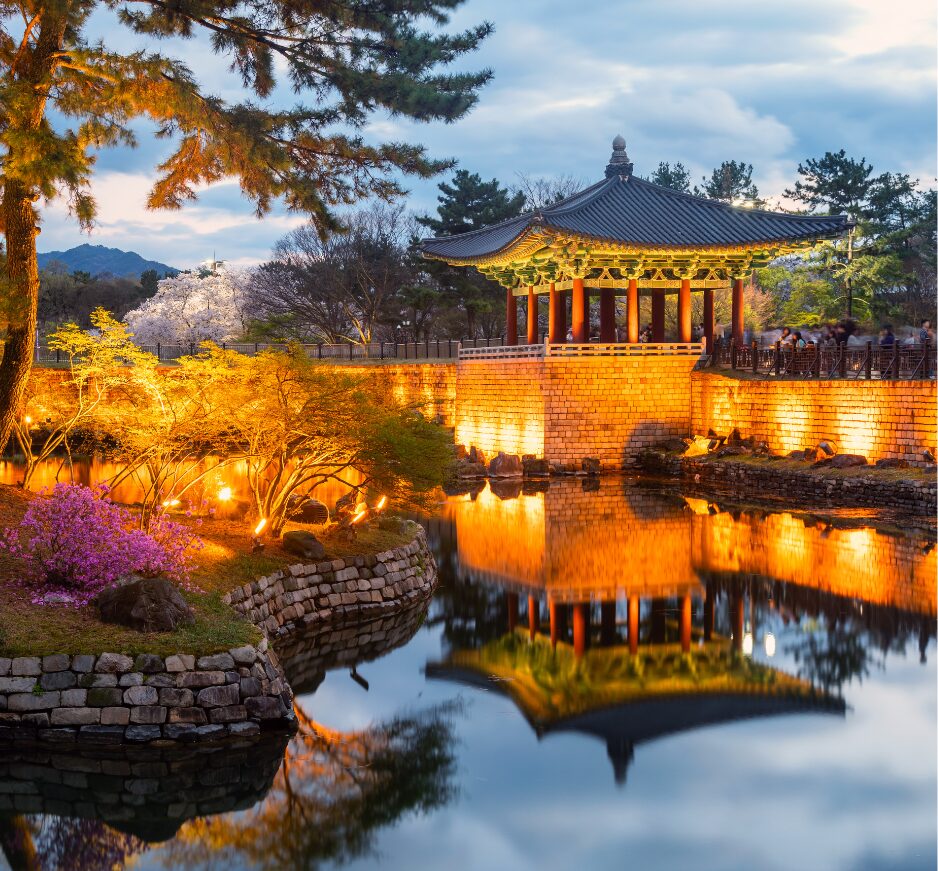
Visit Donggung Palace and Wolji Pond after dark, when the former royal palace complex is illuminated and its pavilions are reflected in the water. Built during the Silla kingdom for the crown prince, the palace grounds once hosted royal banquets and important guests. As you walk around the pond, discover a historic site that takes on a particularly atmospheric character at night. The pond was later known as Anapji, before excavations uncovered pottery inscribed with “Wolji”, meaning “pond that reflects the moon”, restoring its original name.
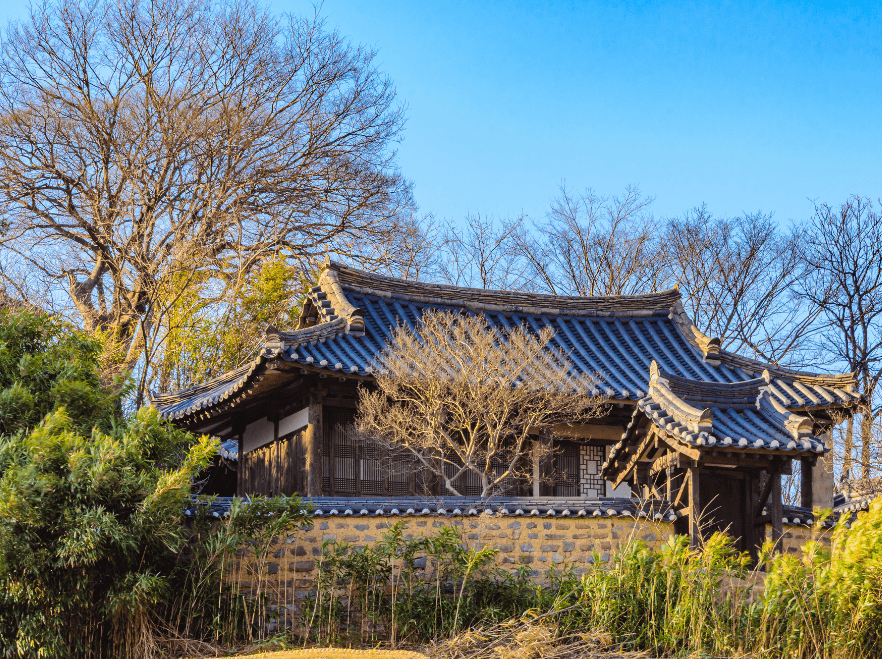
Step back in time at Yangdong Village, one of South Korea’s best-preserved traditional villages and a UNESCO World Heritage Site. Founded in the 14th and 15th centuries, its hillside setting is dotted with elegant tiled-roof houses once belonging to aristocratic families, while thatched-roof homes occupy the valleys below. Follow winding paths past historic residences, pavilions and study halls, discovering how Confucian traditions shaped Korean society during the Joseon dynasty. Still inhabited by descendants of the families who settled here centuries ago, the village offers a glimpse into Korea’s traditional way of life.
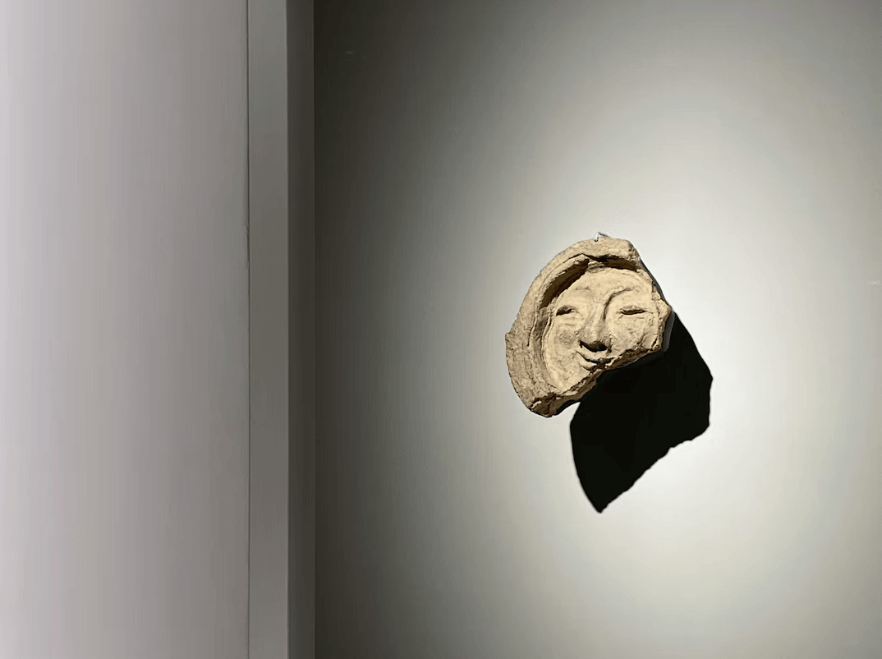
Gyeongju National Museum offers an insight into the ancient Silla kingdom, which ruled much of the Korean Peninsula for nearly a thousand years. Its collections include elaborate gold crowns, intricate jewellery, Buddhist sculptures and archaeological finds that reveal the kingdom’s artistic achievements and religious traditions. Outside, see historic stone pagodas and sculptures, along with the Divine Bell of King Seongdeok, cast in the eighth century and renowned for its remarkable craftsmanship.
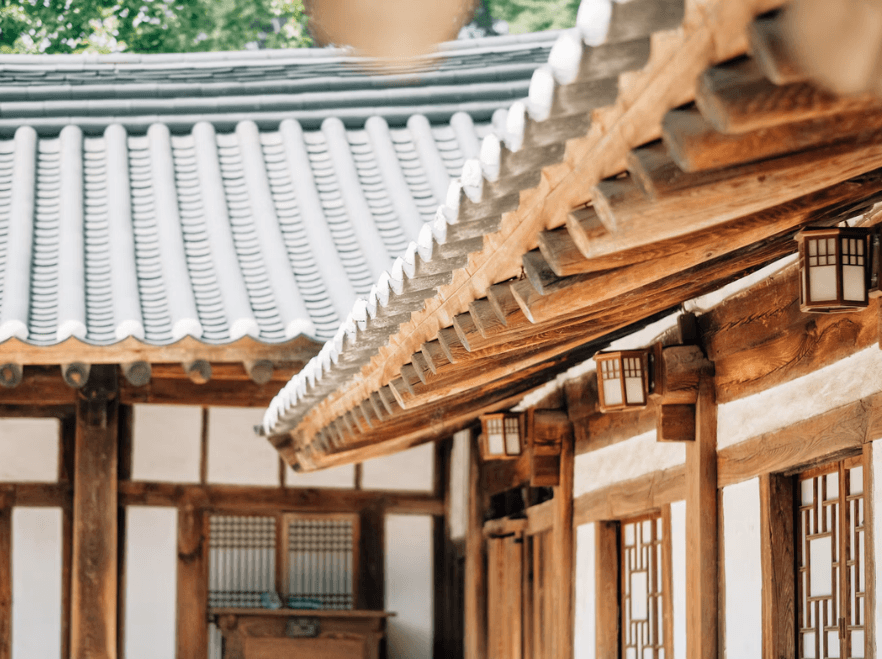
Visit Gyeongju Choi Family House, a beautifully preserved traditional hanok that was home to the Choi family for more than 300 years. The family became well known not only for their wealth, but also for their strong tradition of giving back to the local community. Set within Gyochon Hanok Village, the house has lovely traditional architecture, peaceful courtyards and historic living spaces that offer a glimpse into how an influential Korean family once lived. Your guide will share more about the family’s fascinating history, their values and their reputation for generosity.
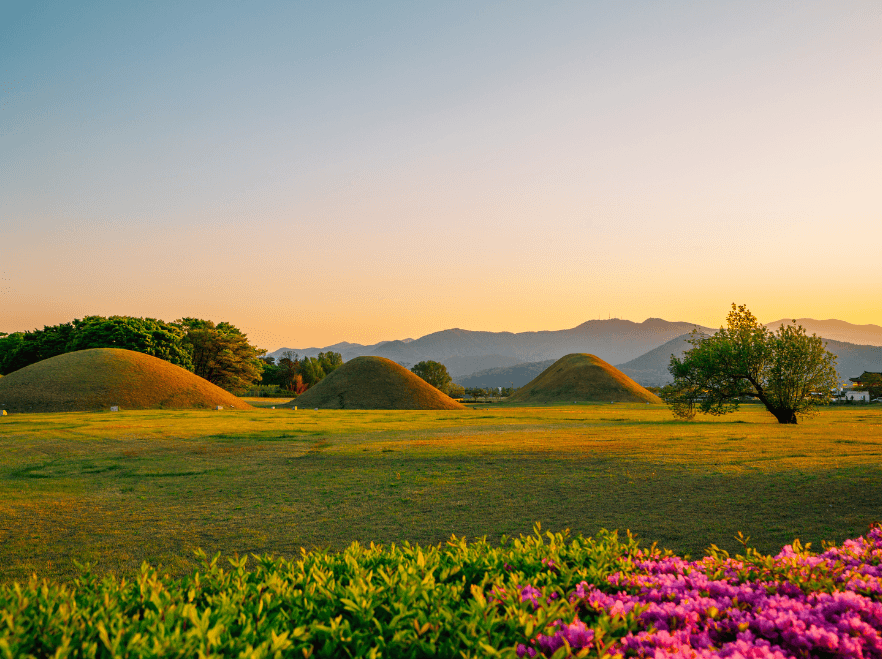
Wander through with a local guide, exploring this peaceful park of distinctive grass-covered tombs built for Silla kings, queens and other important figures. Discover the stories behind these ancient burial mounds, the traditions surrounding them and the remarkable finds uncovered during excavation. You’ll also visit Cheonmachong Tomb, one of the few in Gyeongju open to visitors, to see how the tombs were constructed and learn about the fascinating artefacts discovered within.
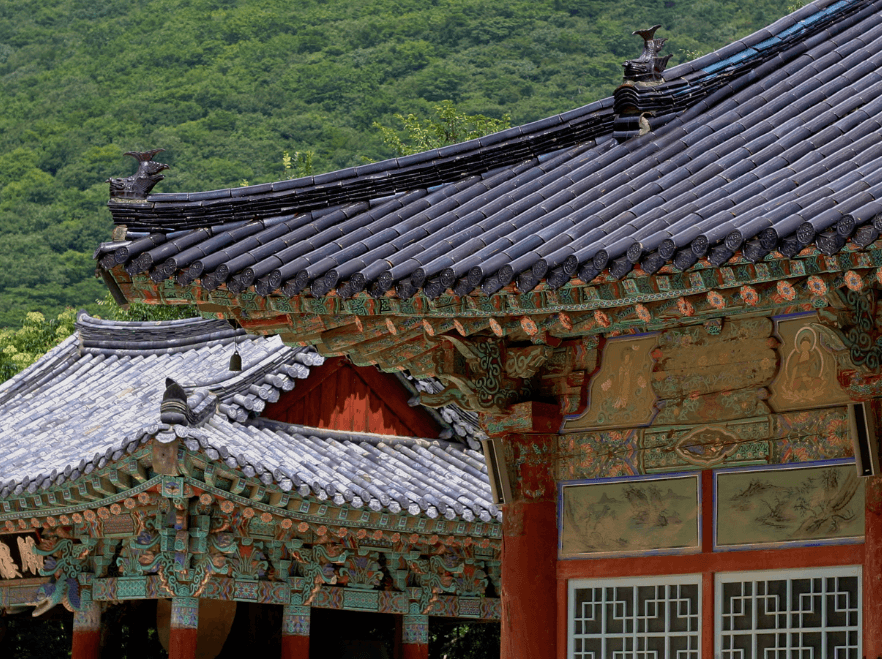
Founded in 678 during the Silla kingdom, Beomeosa Temple is one of Busan’s most important Buddhist sites, set among the wooded slopes of Geumjeongsan Mountain. Wander through the temple grounds, passing ornate gates, colourful wooden buildings and stone pagodas, including a three-storey pagoda dating from the ninth century. The main Buddha Hall, rebuilt during the Joseon dynasty, showcases traditional Korean temple architecture and intricate craftsmanship. The temple remains an active place of Buddhist worship, offering an insight into Korea’s religious traditions and history.
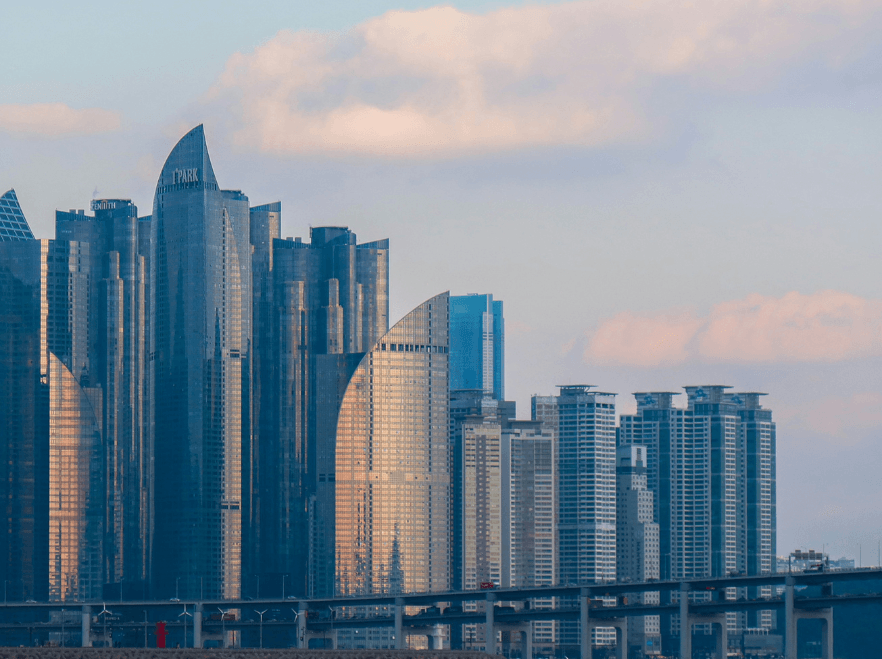
Visit two of Busan’s leading spaces for contemporary art, gaining an insight into Korea’s modern art scene and the ideas shaping it today. The Busan Museum of Art presents works by Korean and international artists, while the Busan Museum of Contemporary Art, on Eulsukdo Island near the Nakdong River estuary, explores contemporary art through exhibitions that often consider society, culture and the natural world. At both museums, your private local guide will introduce the artists and ideas behind the works on display, offering a closer look at the themes and influences shaping Korea’s contemporary art scene.
Gallery
Donggung Palace & Wolji Pond, Gyeongju, South Korea
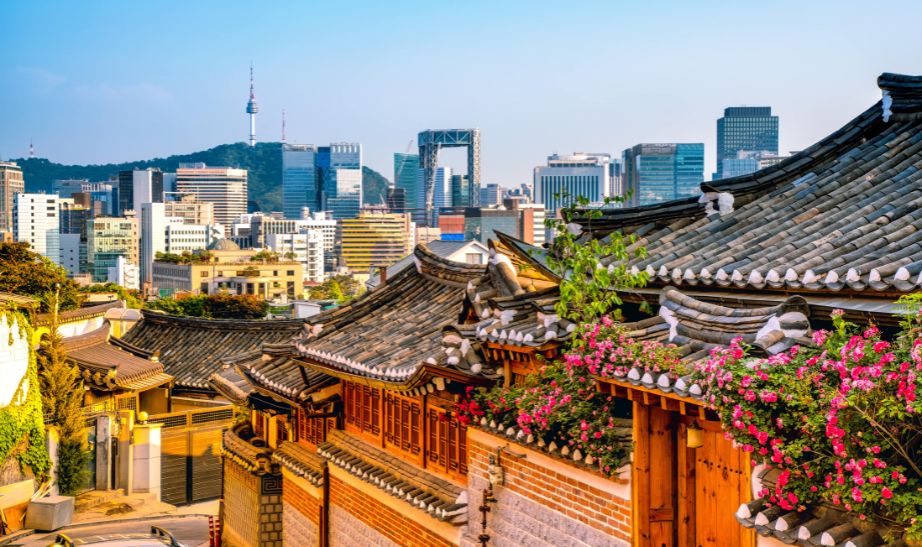
Bukchon Hanok Village Seoul South Korea
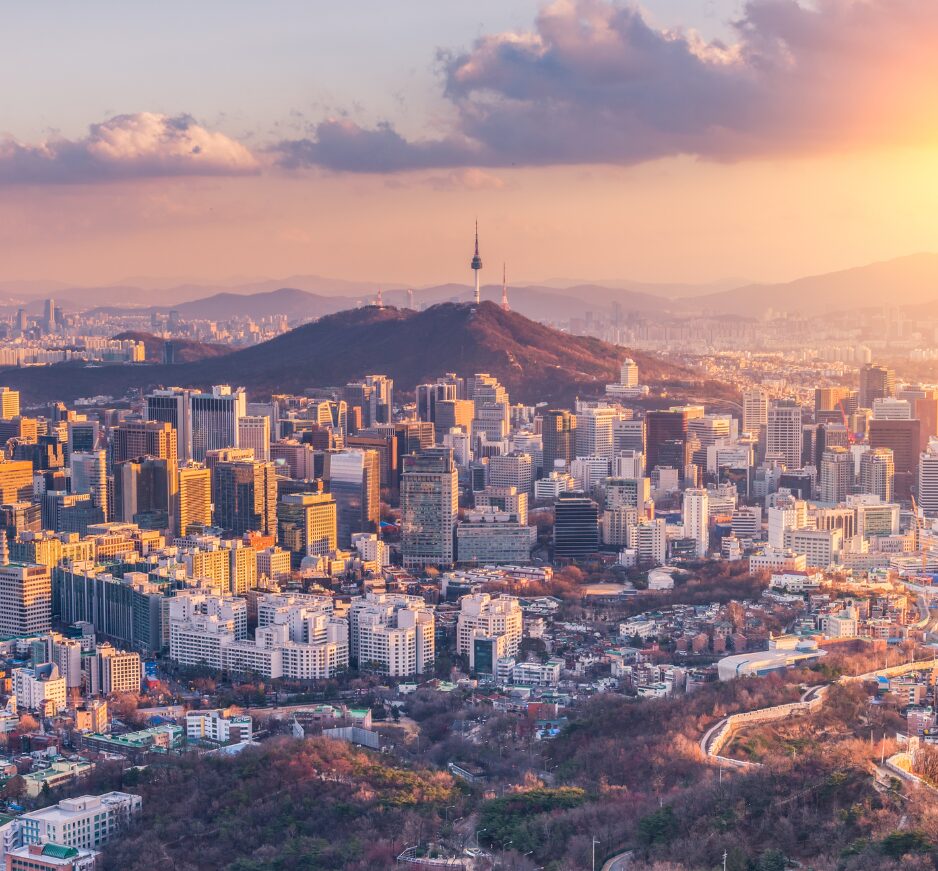
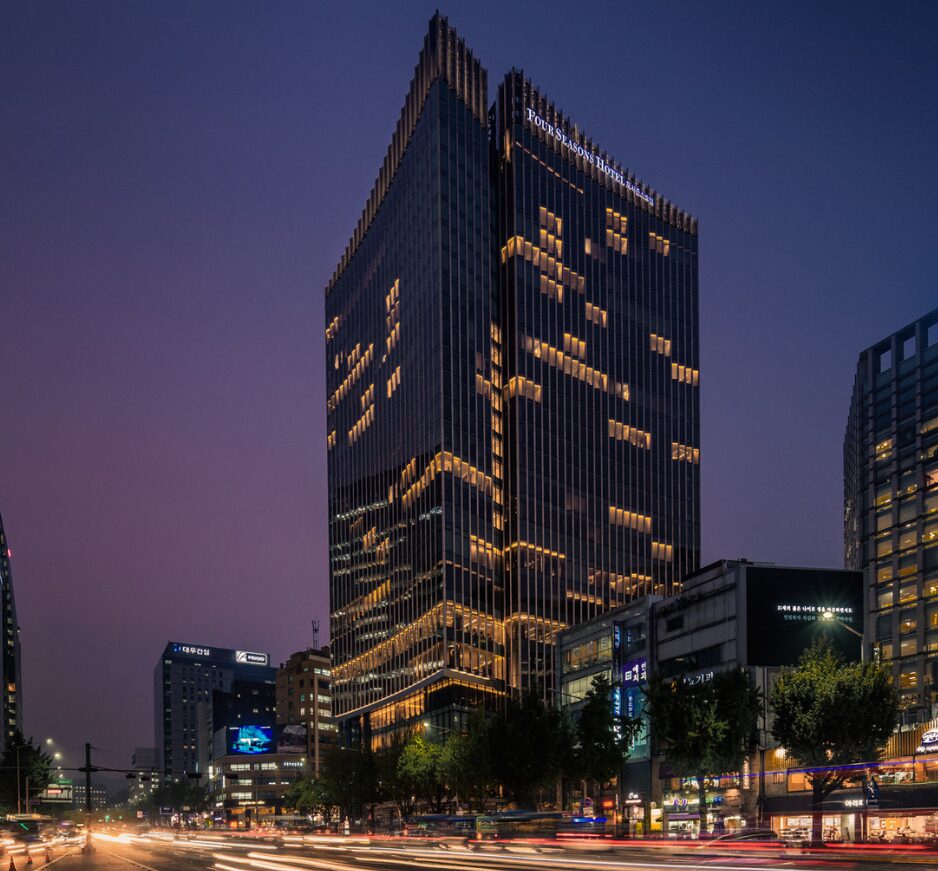
Seoul, South Korea
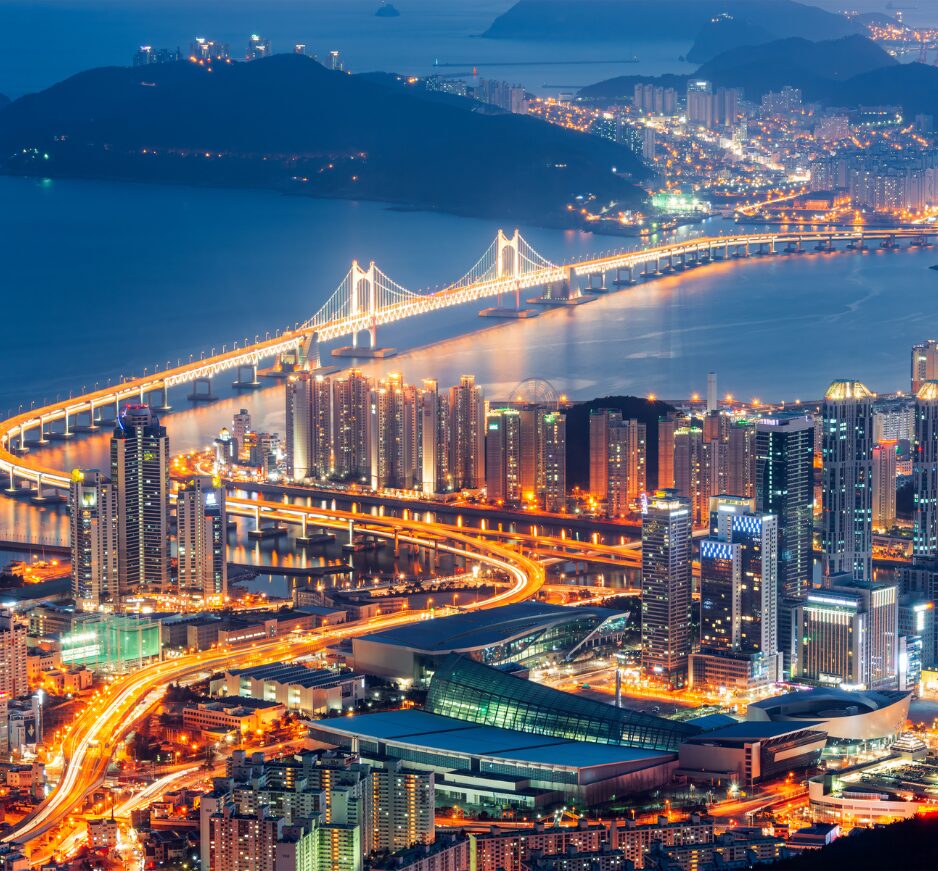
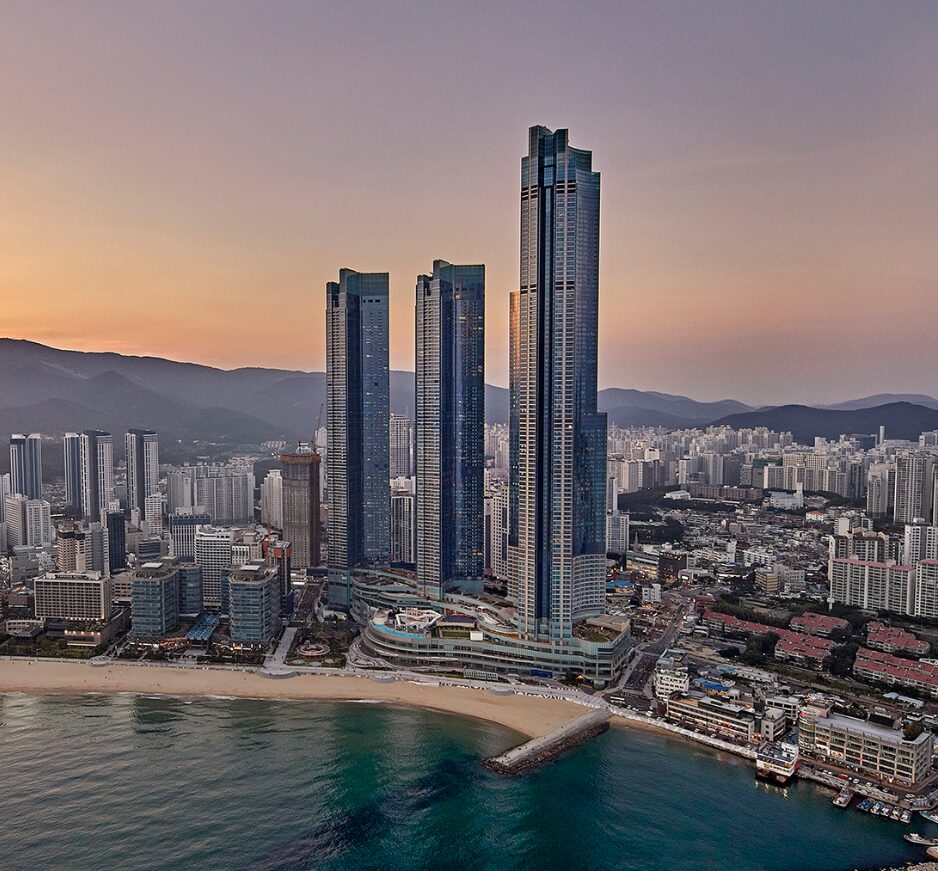
Busan, South Korea
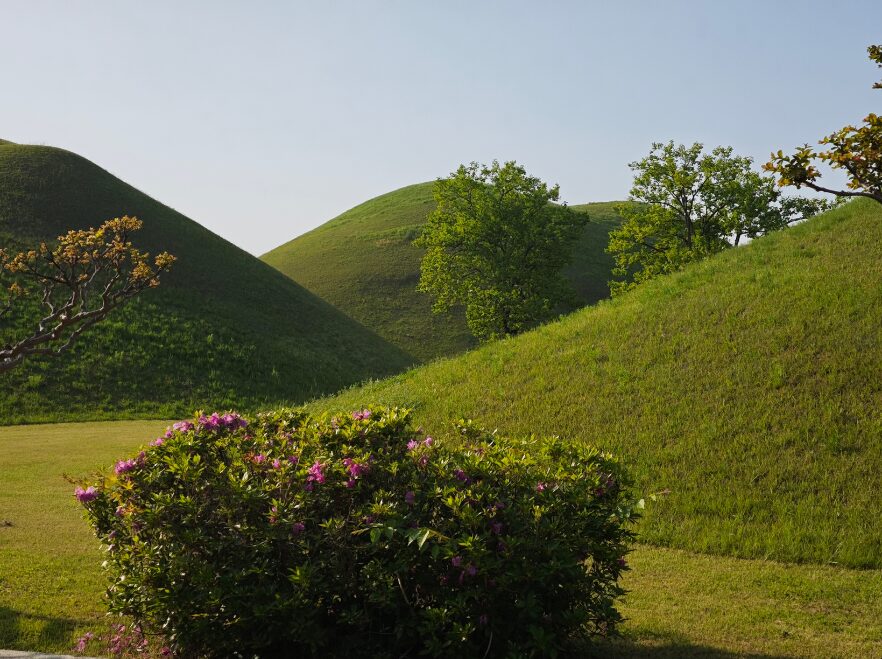
Daereungwon Tomb Complex, Gyeongju, South Korea
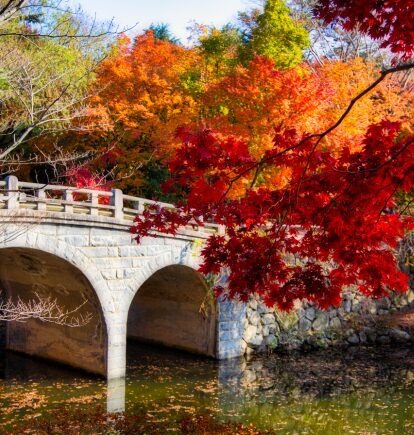
Gyeongju, South Korea
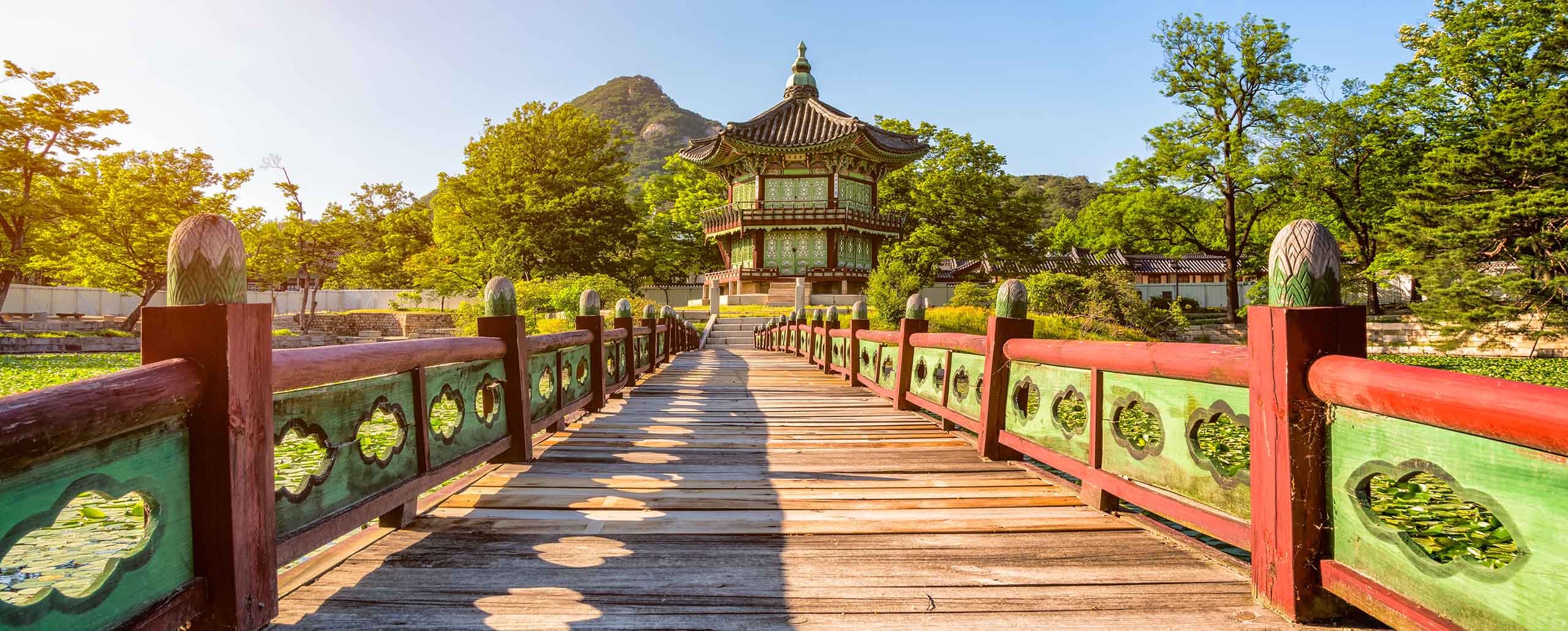
Sunset of Gyeongbokgung Palace in Seoul, South Korea
Beomeosa Temple, Busan, South Korea
Yangdong Village, South Korea
Daereungwon, Gyeongju, South Korea
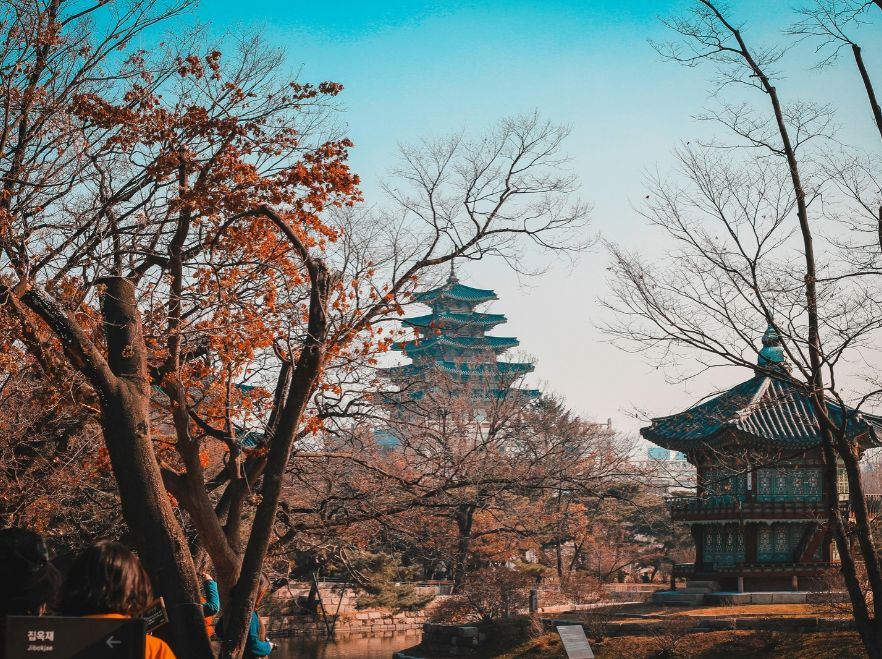
Seoul, South Korea
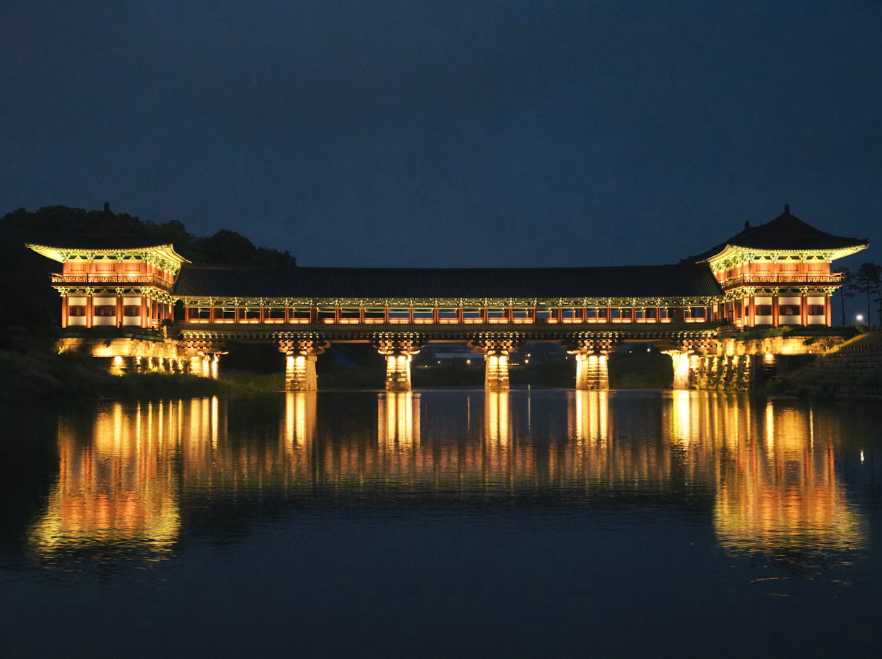
Woljeonggyo Bridge, Gyeongju, South Korea


Plan your holiday with us today
Our team of travel specialists are ready to help you plan your next adventure. Enquiry lines are open 24/7
